Why Canada must not fast-track an oil pipeline into the Fraser River Estuary
11 reasons why the West Coast Oil Pipeline should not be designated a Project of National Interest.
On September 18, we filed our submission to the Major Projects Office opposing the designation of the West Coast Oil Pipeline as a Project of National Interest under the Building Canada Act. Thank you to everyone who sent a comment of their own before the deadline.
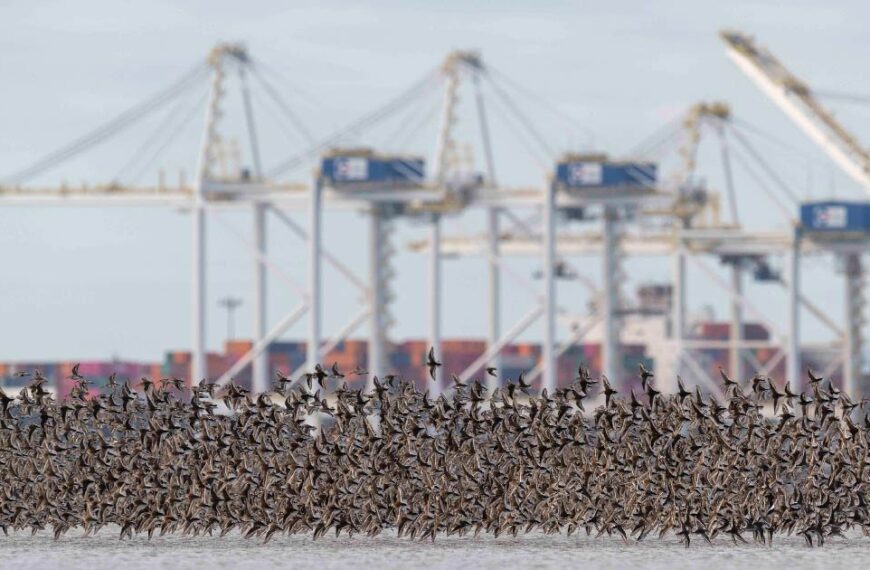
The proposal would carry up to one million barrels of crude oil per day from Alberta to a new deepwater port on Roberts Bank, in the Fraser River Estuary. From there, Very Large Crude Carriers, among the largest oil tankers in the world, would move that oil through the Salish Sea.
Our position is straightforward. This project should not be designated a PONI, and it certainly should not be designated when almost nothing about the proposal has been defined.
A decision being requested before the project even exists
The Major Projects Office states that the precise route and project features remain to be determined. There is no published terminal footprint, no berth configuration, no dredging volume, no pipeline landfall, no schedule of vessel movements, and no project-specific spill assessment.
Cabinet is being asked to decide whether a project serves the national interest before anyone has said where it would go, how big it would be, or what it would put at risk.
Those are not details that can safely be filled in after designation. They are precisely what determines whether the project can avoid destroying critical habitat, satisfy the Species at Risk Act, and protect the estuary.
What is at stake in the estuary
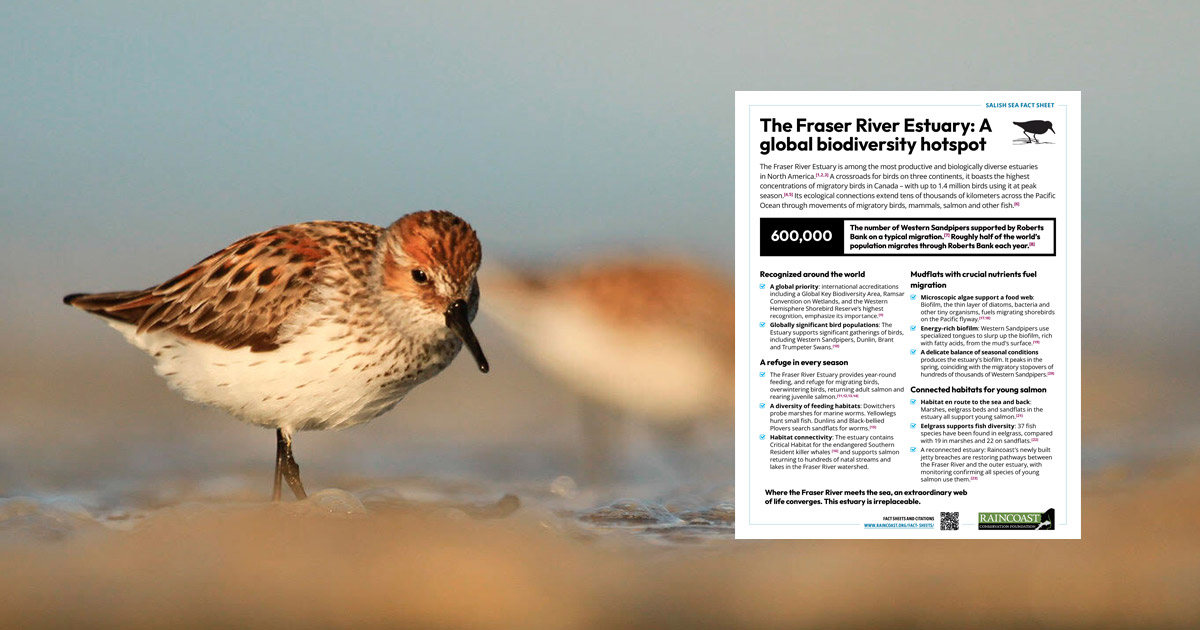
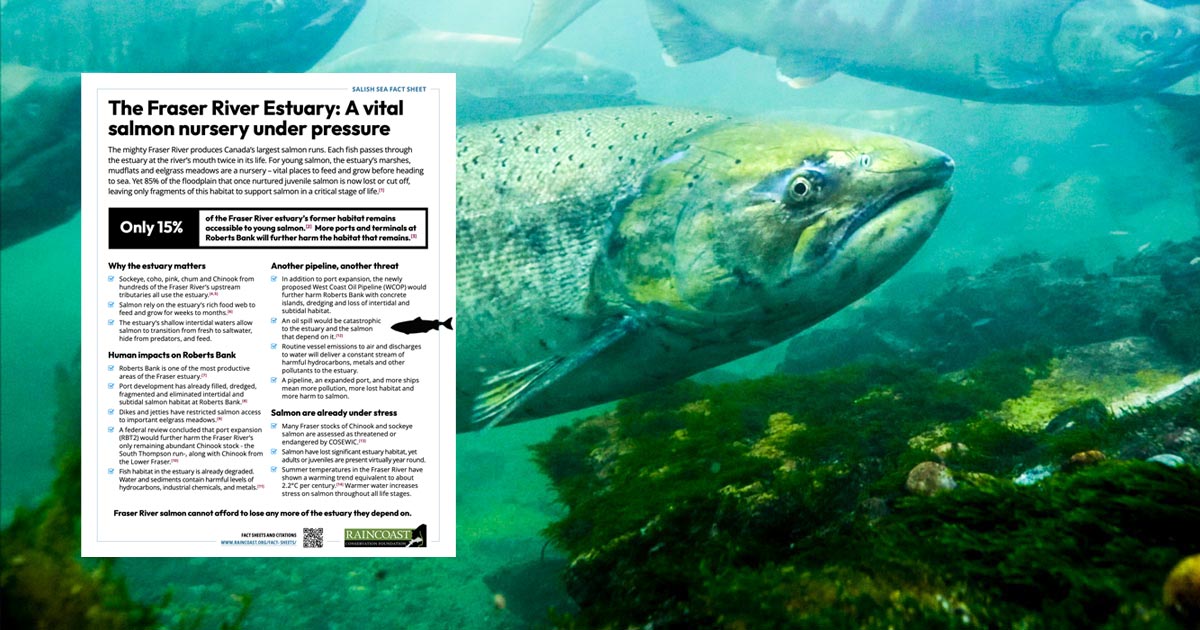
The Fraser River Estuary is more than 21,000 hectares of saltmarsh, mudflat, eelgrass, and tidal channels connecting Canada’s largest salmon-producing watershed to the Salish Sea. Every juvenile Fraser salmon heading to sea, and every adult returning to spawn, passes through it.
It is also already under pressure. Diking and development have made 85 per cent of the historical floodplain inaccessible to juvenile salmon. Roberts Bank has been filled, dredged, and fragmented over four decades. Our recent contaminants research found widespread degradation of fish habitat in the lower river, with hydrocarbons accounting for most exceedances of environmental quality guidelines.
A new baseline that treats those losses as water under the bridge is the wrong baseline.
Four linked threats to Southern Residents
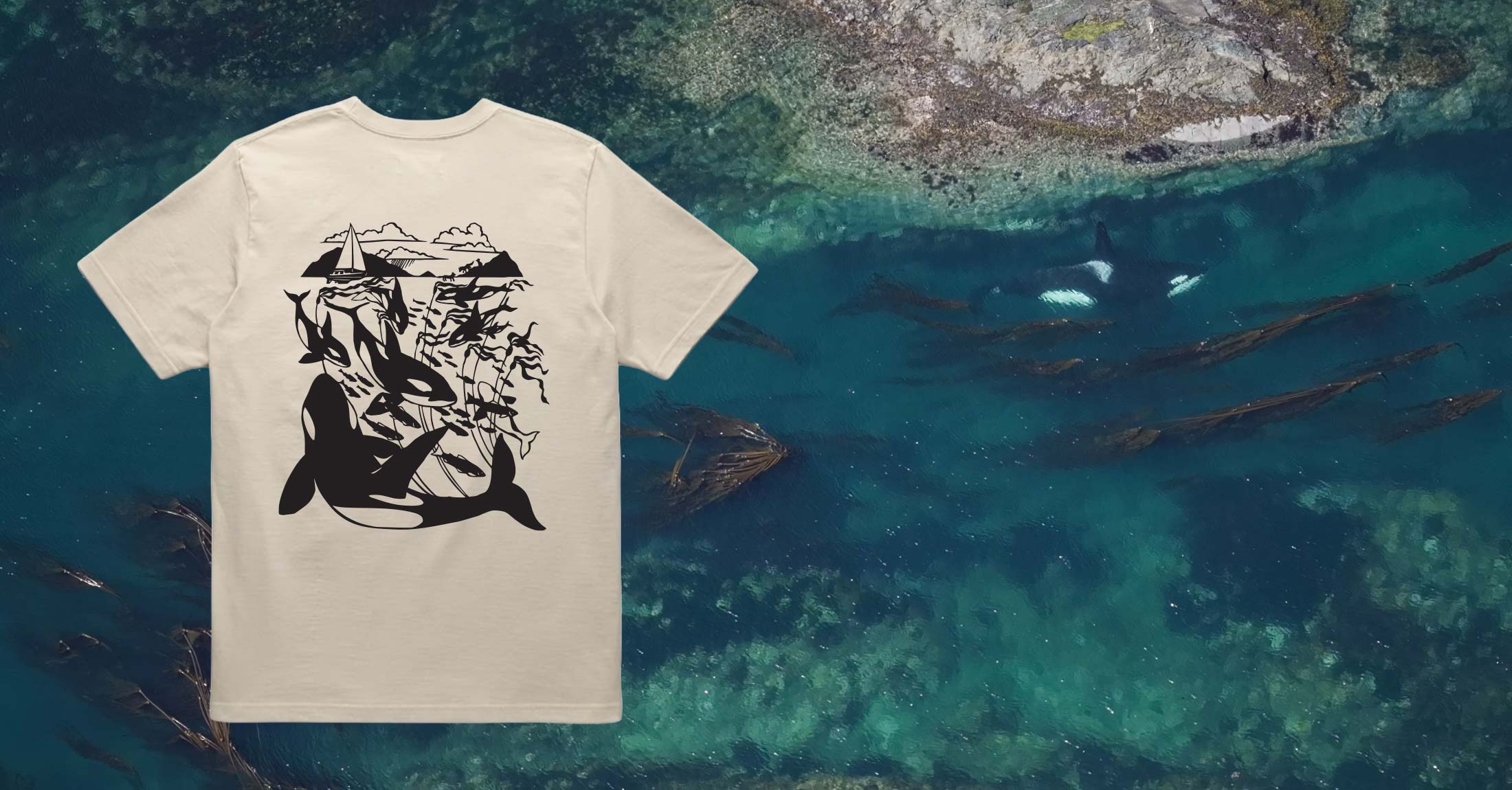
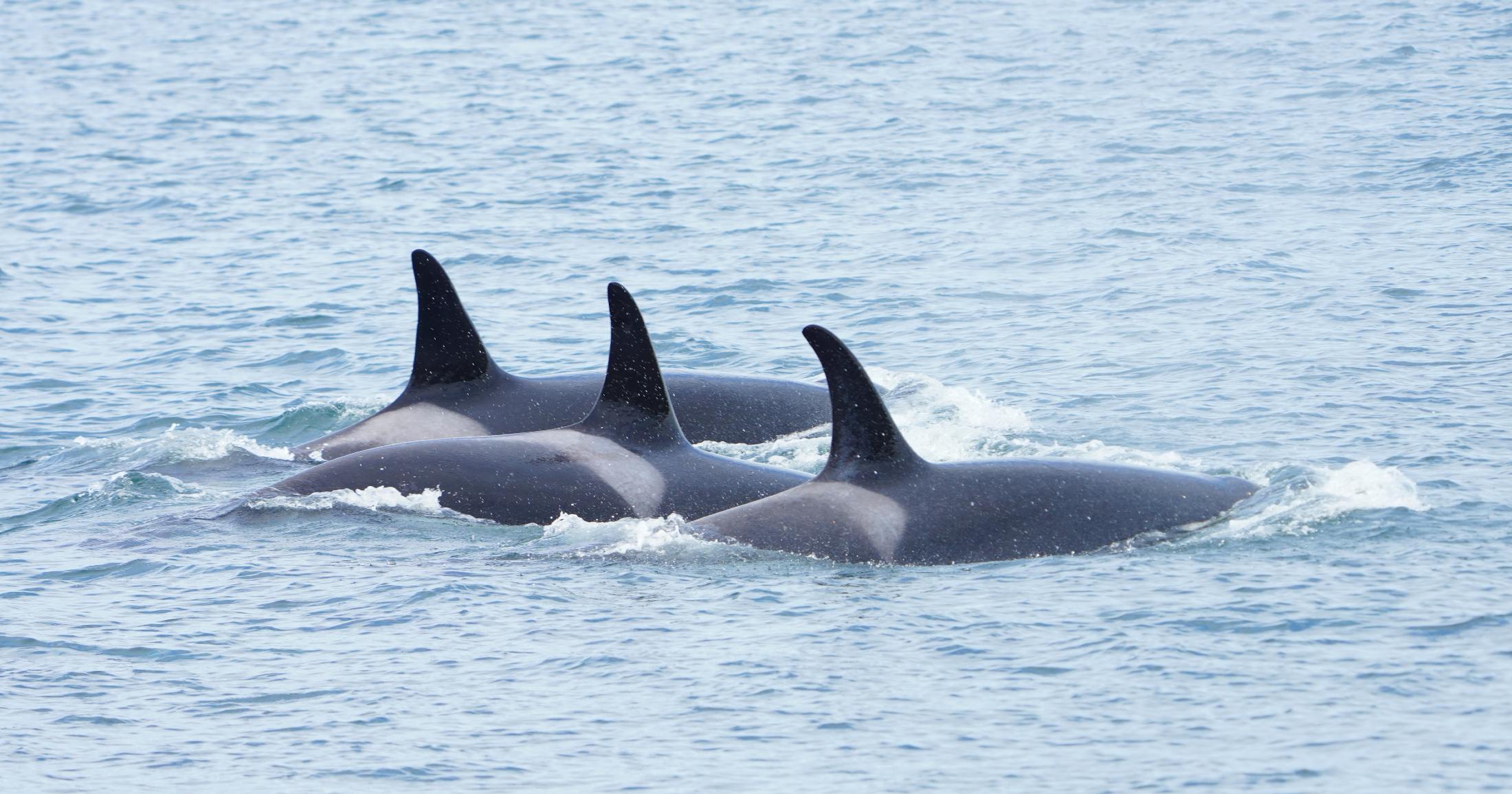
The terminal and its tanker traffic would sit inside Southern Resident killer whale critical habitat. The project would add four threats at once: underwater noise that masks echolocation and communication and interferes with foraging; loss of Chinook salmon rearing habitat; increased ship-strike risk; and the risk of oil spill exposure, particularly through inhalation of toxic volatile compounds at the water’s surface.
Under current conditions, this population is projected to decline by roughly one per cent per year. There is no margin here to absorb new pressure.
What we asked for
Our submission makes eleven recommendations. Among them:
- Do not add the West Coast Oil Pipeline to Schedule 1 of the Building Canada Act.
- Do not make a listing decision while the route, terminal site and footprint, offshore loading design, dredging and filling requirements, tanker classes and frequency, and associated infrastructure remain undefined.
- Require the project to satisfy SARA. with no exemption from section 73’s requirement that an authorized activity must not jeopardize the survival or recovery of Southern Resident killer whales.
- Require credible worst-case spill scenarios for the terminal and the marine route, accounting for seasonal hydrology, wind and tide, submerged and stranded oil, response delays, sensitive habitats, salmon life stages, Southern Resident presence and population-level consequences.
- Apply the precautionary principle where serious or irreversible harm is plausible and scientific certainty is incomplete. Uncertainty about the precise footprint is a reason to withhold designation, not a reason to presume effects can later be mitigated.
- Do not proceed without meaningful consultation with, and where required the free, prior, and informed consent of the First Nations whose territories and waters would be affected by the terminal, the marine route, and a potential spill.
Read the submission
Download our full submission to the Major Projects Office (PDF).