A new tee collaboration inspired by the wild coast: Nikki McClure x Raincoast x Anian
Wear what you stand for.


What's new // Southern Resident killer whales
If Southern Resident killer whales are to persist in the Salish Sea decisive steps producing substantive reductions in threats must be taken. Southern Resident killer whales are critically endangered. Their salmon food supply is in decline and their waters are noisy and polluted. This declining population of 73 animals (July 2022) has very low birth rates and premature deaths of adult whales. The birth of recent calves offers hope, but threats that impede their successful feeding and access to Chinook must be addressed for calves to survive and population recovery to occur. Learn more.
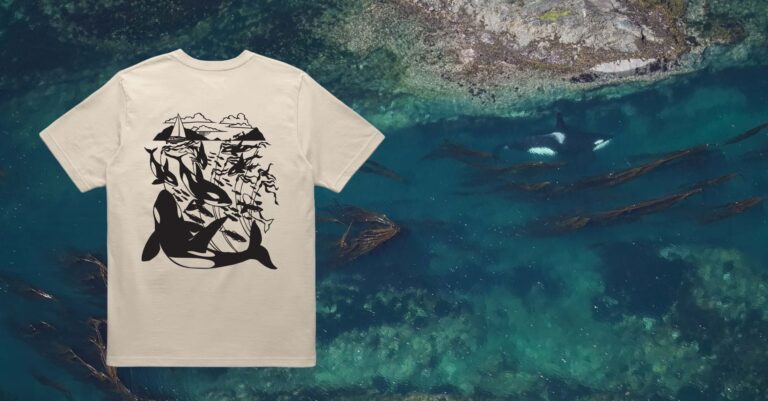
Wear what you stand for.
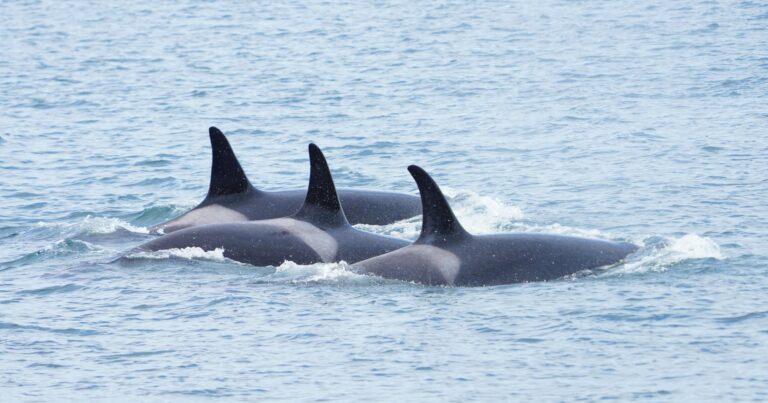
11 reasons why the West Coast Oil Pipeline should not be designated a Project of National Interest.
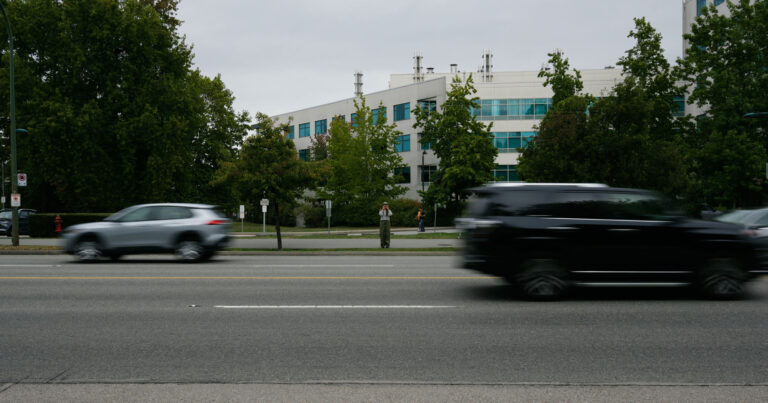
For Southern Residents, hearing each other can be a matter of survival.
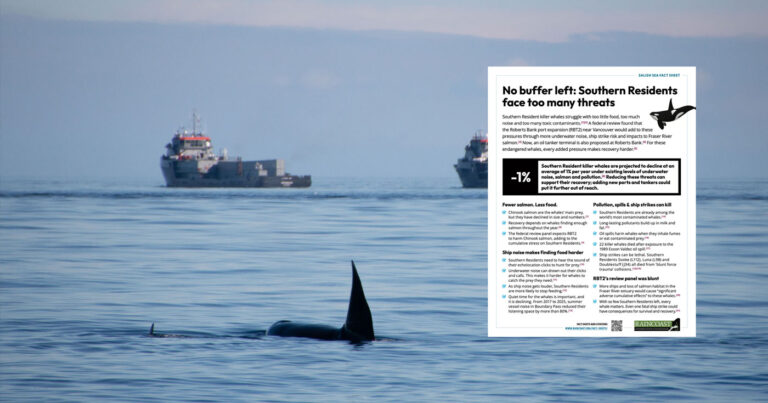
Too little food. Too much noise. Too much pollution. Ship strikes. This is how extinction happens – one added pressure at a time.

The federal government has taken the first step toward fast-tracking a new oil pipeline and tanker terminal in the Fraser River Estuary – bypassing the environmental review that would normally assess its risks, impacts, and merit.
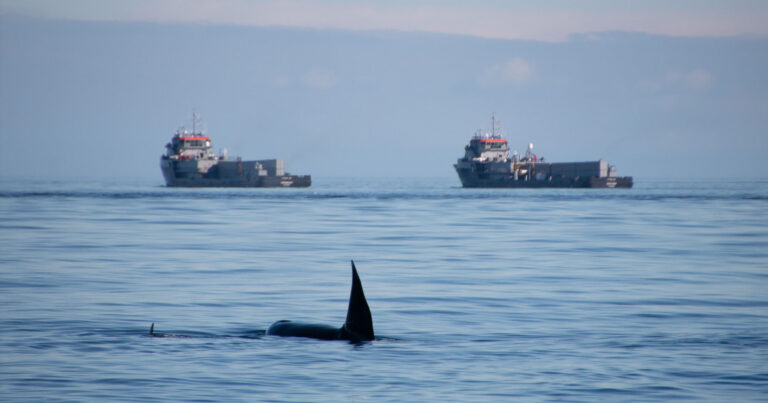
Coastal prosperity, ecosystems, economic and cultural security are all at risk. Give your feedback by September 18, 2026.

Raincoast, alongside our allies, is proud to support Salmon United, a new initiative bringing people together to advance a stronger future for Pacific salmon.

Drones reveal hidden differences in how fish-eating killer whales cooperate.

Action alert: It’s not just endangered species being undermined by federal fast tracking of major projects, it’s also the SARA legislation that protects them.
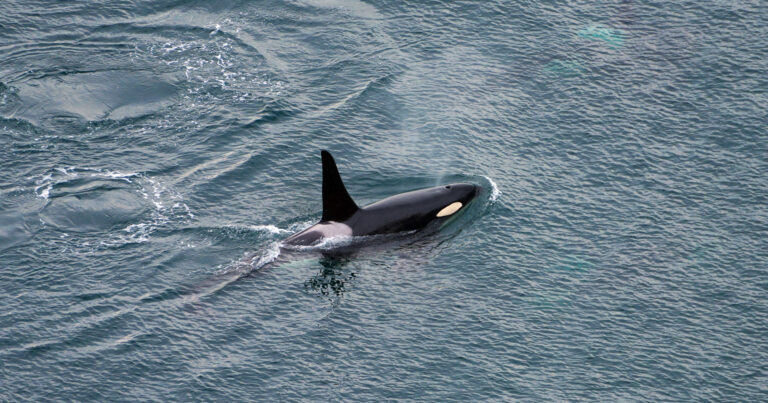
The government’s proposed dismantling of a key clause has significant implications for the future of endangered species in Canada, including Southern Resident killer whales.

This decision could push species already struggling into extinction. You can help stop it.
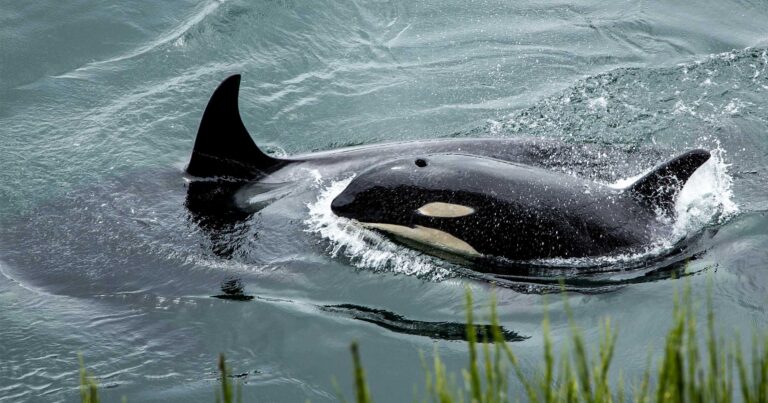
Action alert: It’s not just endangered species being undermined by federal fast tracking of major projects, it’s also the SARA legislation that protects them.