New short film showcases Raincoast scientists’ work investigating killer whale communication
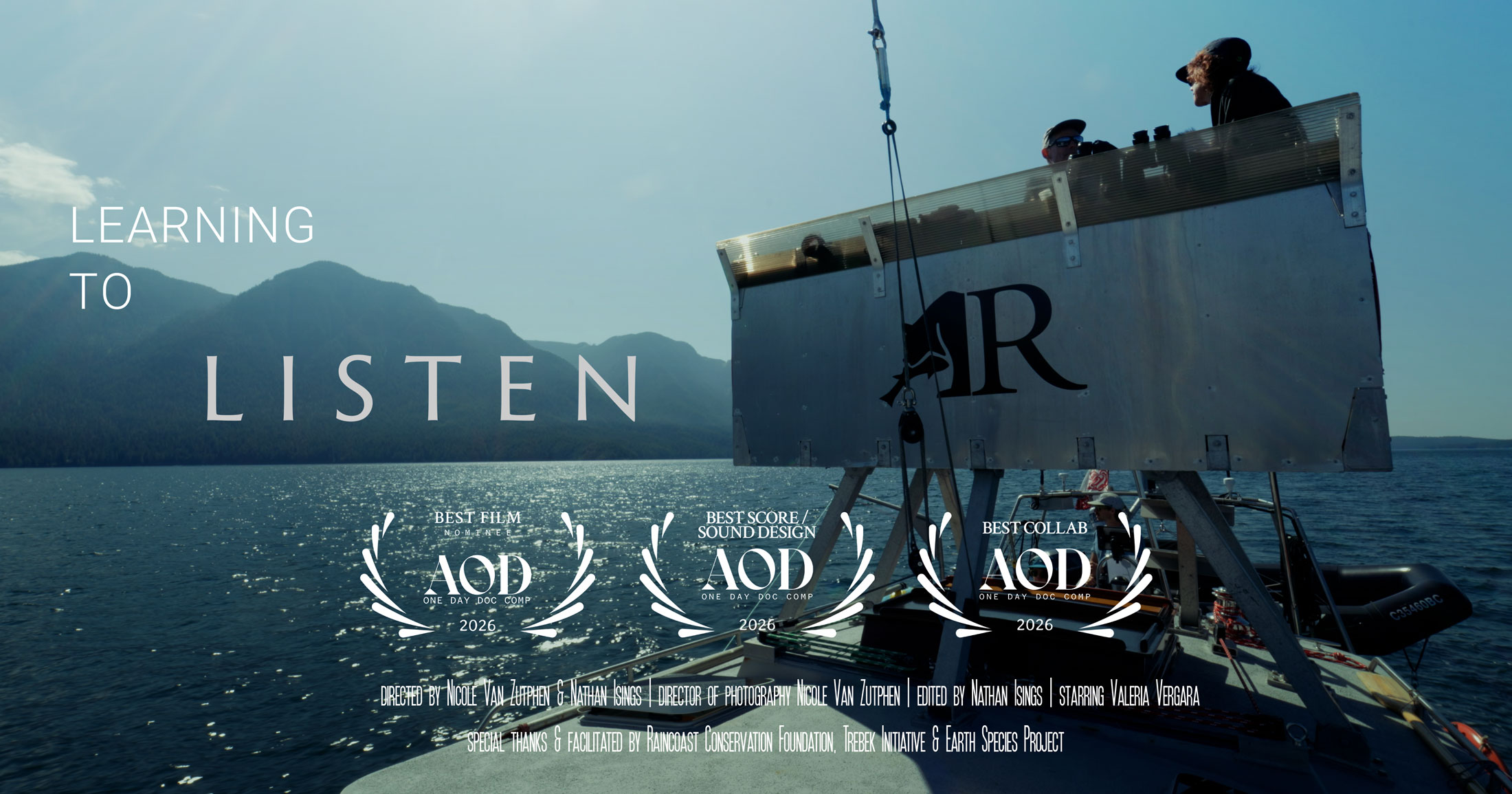
Learning to Listen follows Dr. Valeria Vergara and team as Raincoast examines what different killer whale calls may mean, and how underwater noise impacts the lives of these animals.
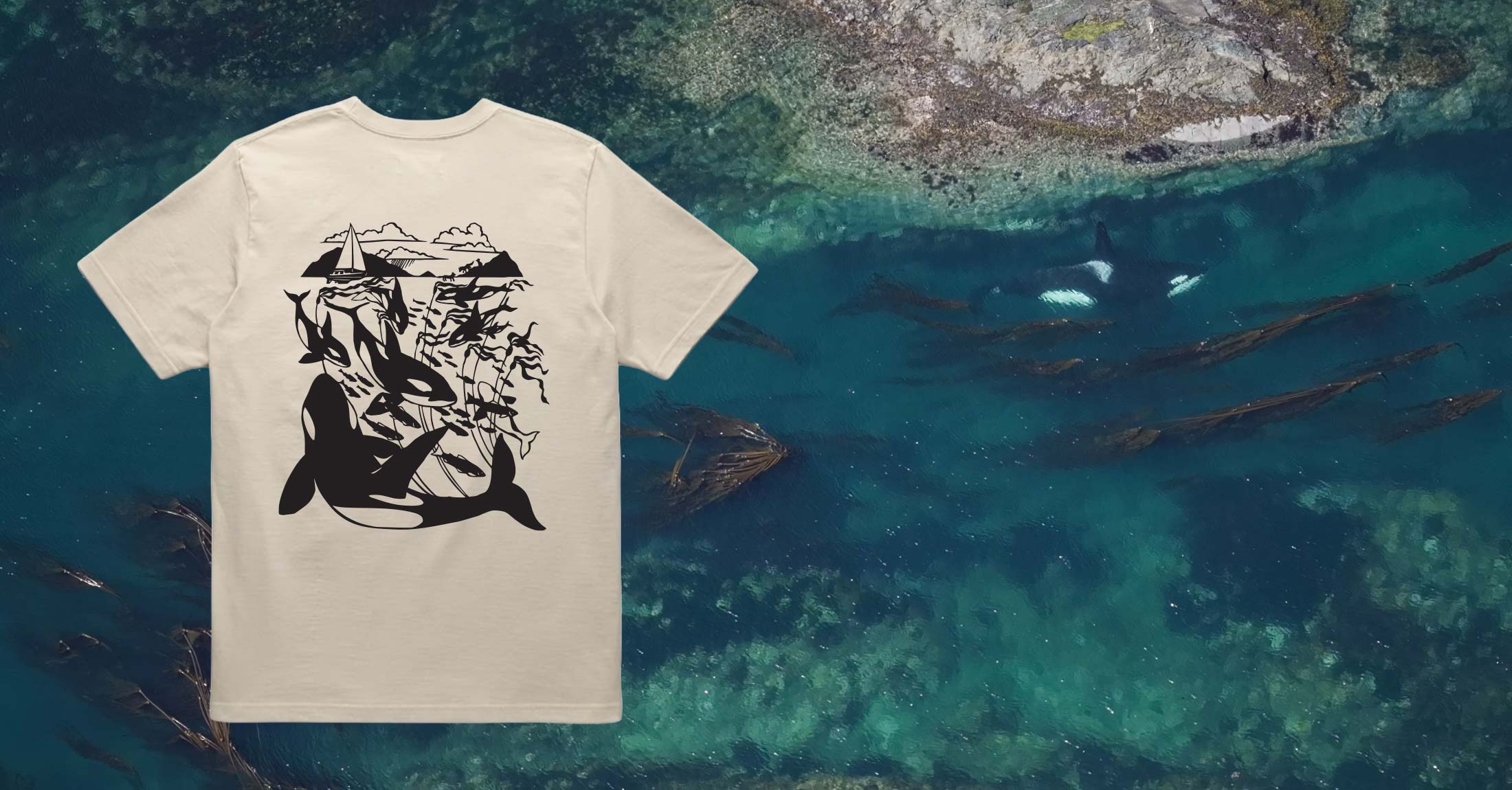
Filming while alongside our cetacean research team on Achiever and using drone footage filmed under permit for the project by John Kelsey (Raincoast Marine Operations’ First Mate and drone pilot), Raincoast’s Communications Manager, Nicole Van Zutphen, put together a short film as a glimpse into what this research means. The film is co-directed by filmmaker, Nathan Isings.
Learning to Listen follows Valeria Vergara, the Director of Raincoast’s Cetacean Conservation Research Program, and team as they set out to uncover the complexities of killer whale communication, amidst the threat of increasing underwater noise.
By synchronizing drone footage with underwater acoustic recordings and time-stamped behavioral observations, we aim to uncover how killer whales use sound to coordinate movements, share prey, and maintain social bonds. By understanding the function these calls serve, we can better identify which processes may be vulnerable to disruption by noise pollution, and target mitigation efforts accordingly.
The short film was nominated for Best Film at the Art of Documentary One Day Doc international competition, and was awarded with Best Sound Design and Best Collaboration.
It will be screened in Vancouver at the Roda short film exhibition on Saturday, September 26th, with a Q&A to follow. Stay tuned for the full online release of the film.
Special thanks to Earth Species Project and the Trebek Initiative.
It is illegal to fly drones over marine mammals if not under permit. These video clips were taken under SARA research permit XMMS-4-2026 (at a minimum 25m altitude).