Raincoasters present at Pacific Salmon Foundation’s BC Salmon Recovery and Resilience Conference
Raincoast’s Wild Salmon team was active at the second BC Salmon Recovery and Resilience Conference, highlighting the work we do to recover salmon and their habitat.
This past week, I attended the second BC Salmon Recovery and Resilience Conference in Vancouver, hosted by the Pacific Salmon Foundation. Events like this are a powerful reminder of how many people care about salmon and are committed to working together to protect them in our rivers and oceans for generations to come.
Three of our Wild Salmon Program members presented their work alongside other experts on the nitty gritty of salmon science and recovery during the two-day conference. Across three very different panels, we shared the breadth of our work, from habitat restoration to fisheries management to collaborative partnerships.
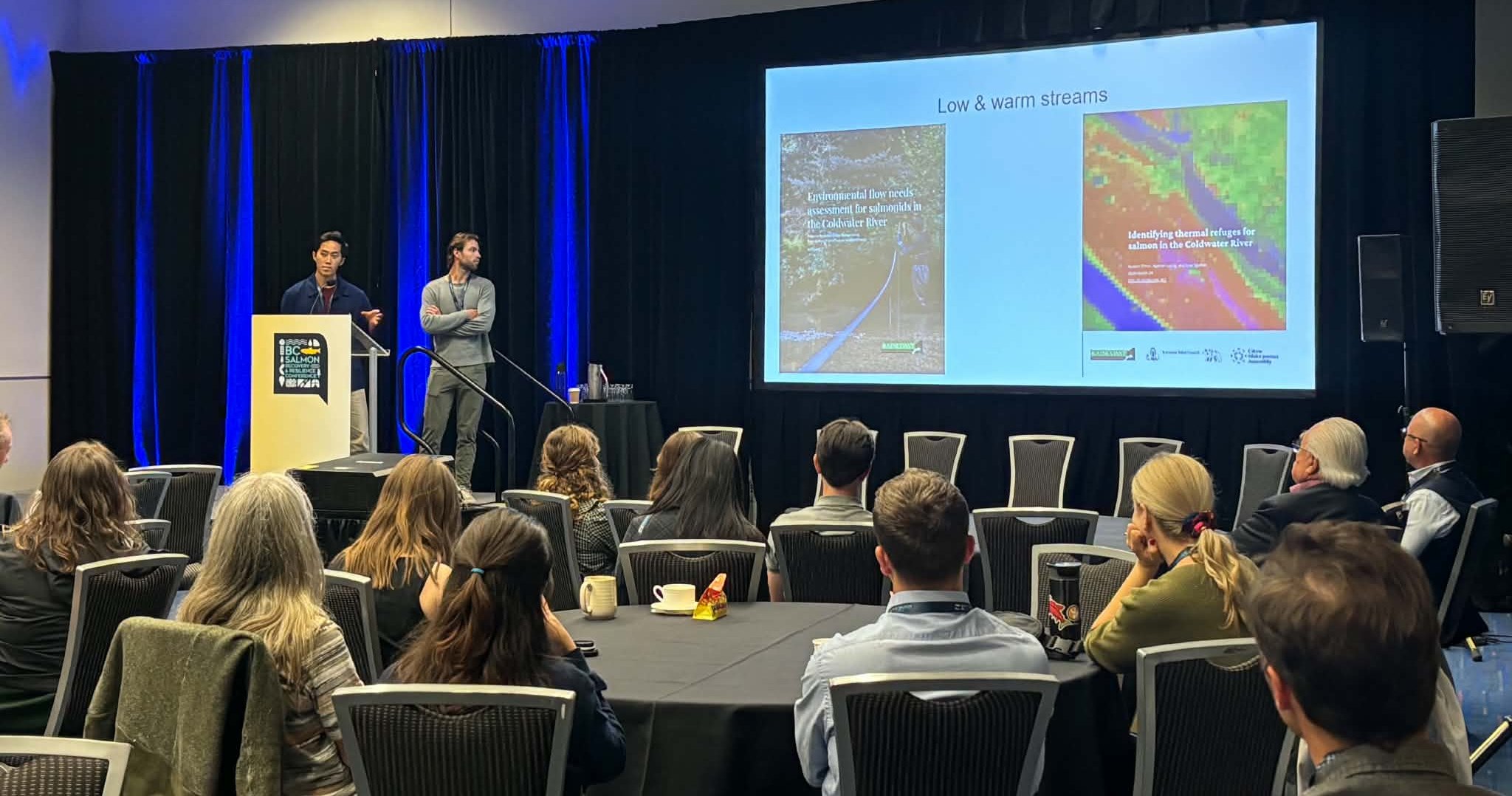
Auston Chhor, Salmon Habitat Biologist, presented his work on restoration in the Nicola Watershed alongside Nathan Lustig from Scw’exnx Tribal Council. They shared some of the methods implemented to monitor thermal refuges for salmon and methods to begin conducting salmon restoration, creating more natural watersheds in a highly agricultural area.
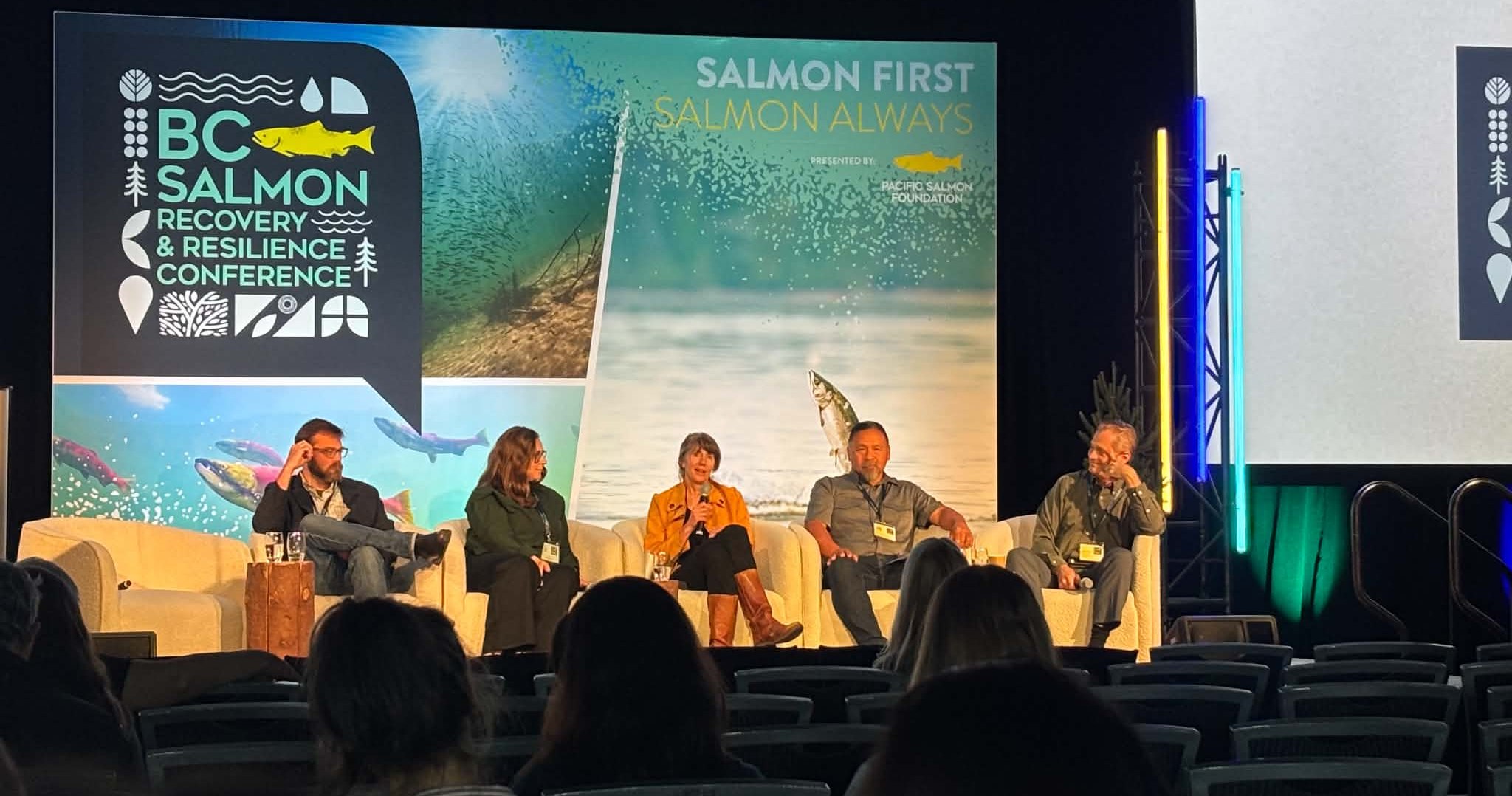
Misty MacDuffee, the Wild Salmon Program’s Director, presented her work on why Chinook salmon may be getting younger and smaller. She discussed how harvesting them before they reach maturity can be part of the problem and that changing this so that only adult fish are caught in fisheries could help recover the big, old Chinook that the coast was once famous for. Misty makes the case that transitioning away from ocean fisheries to harvest at the terminus end of a salmon run in the rivers could mitigate this issue, and help recover big old Chinook salmon.
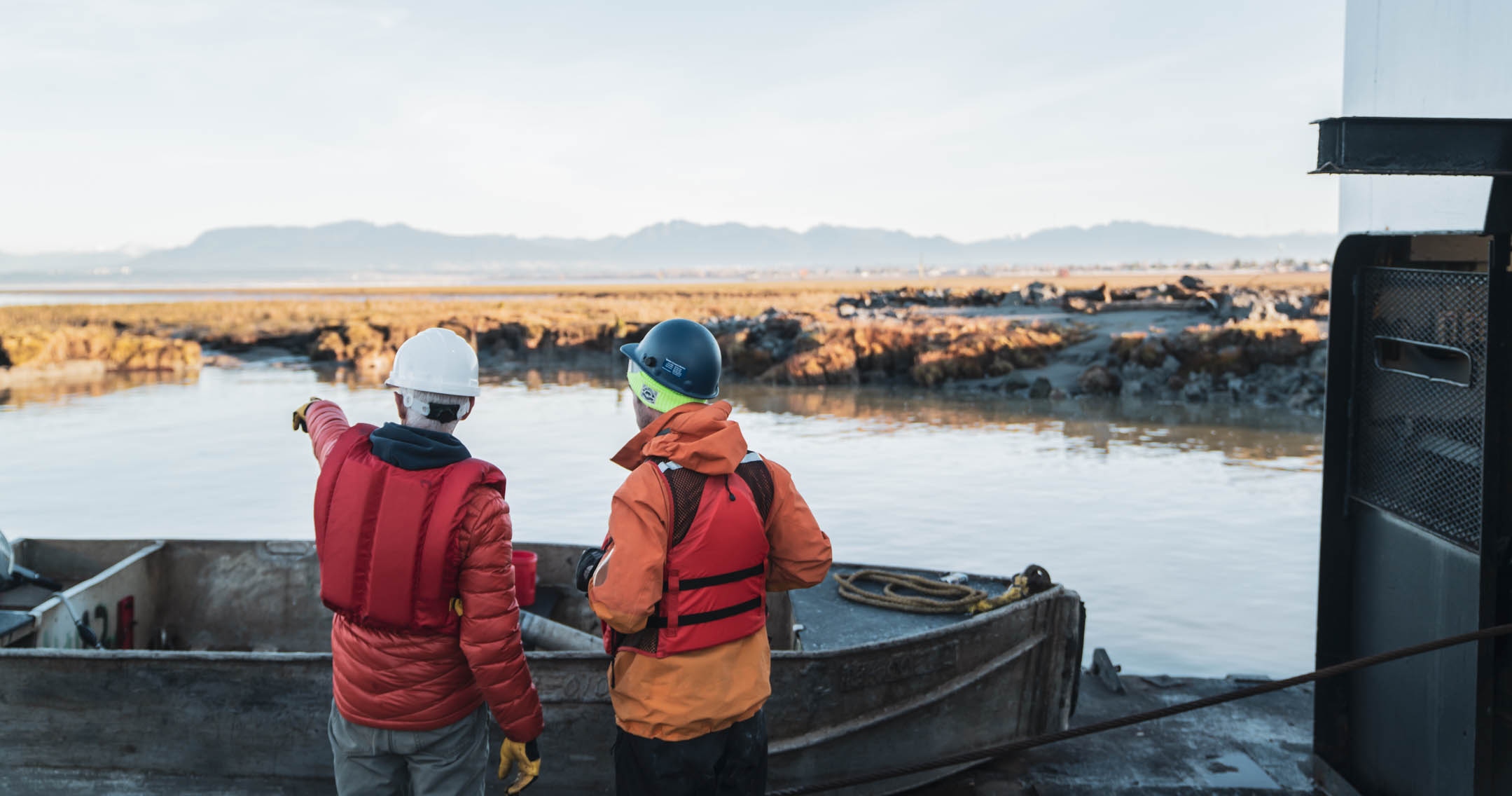
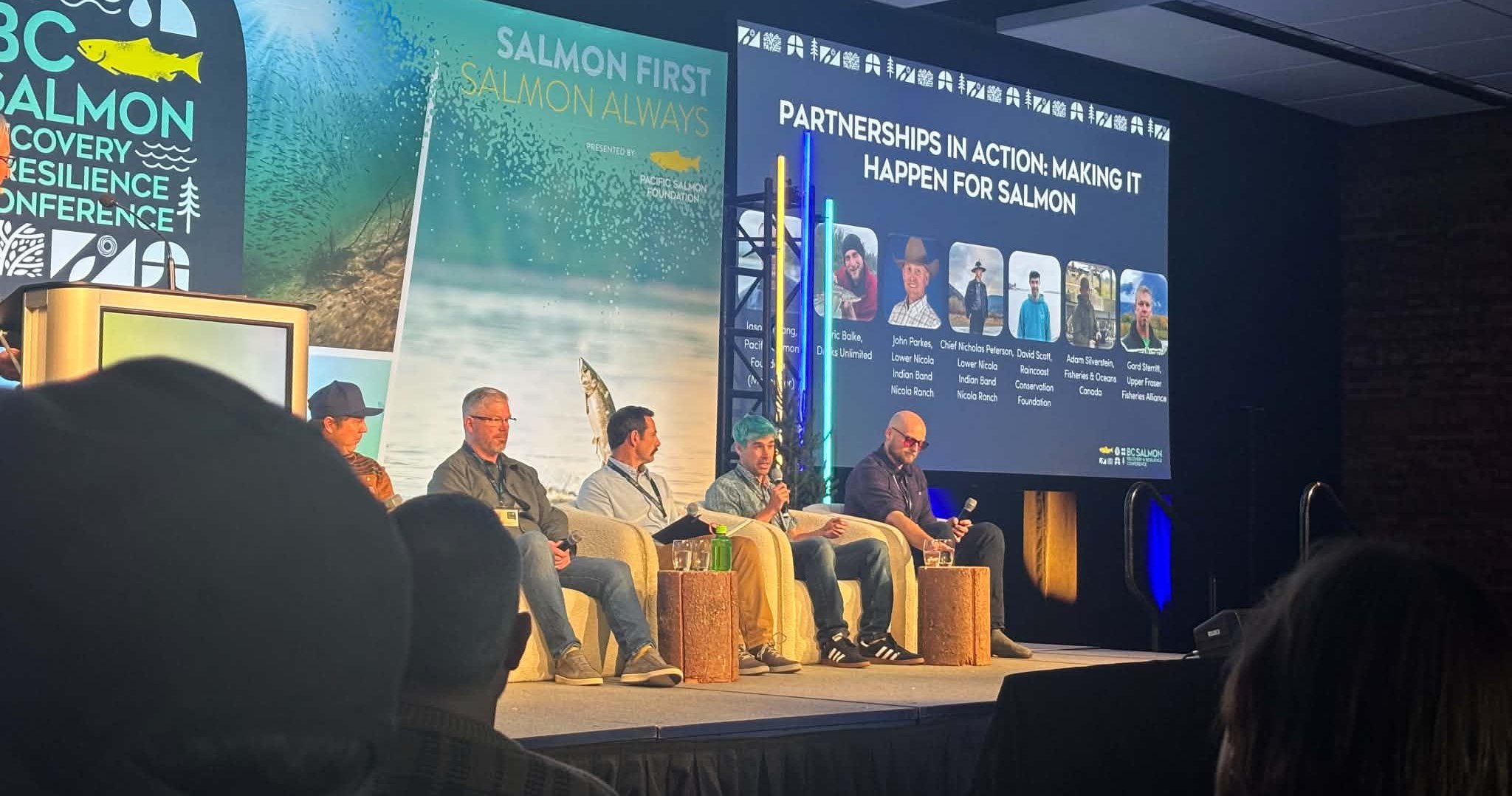
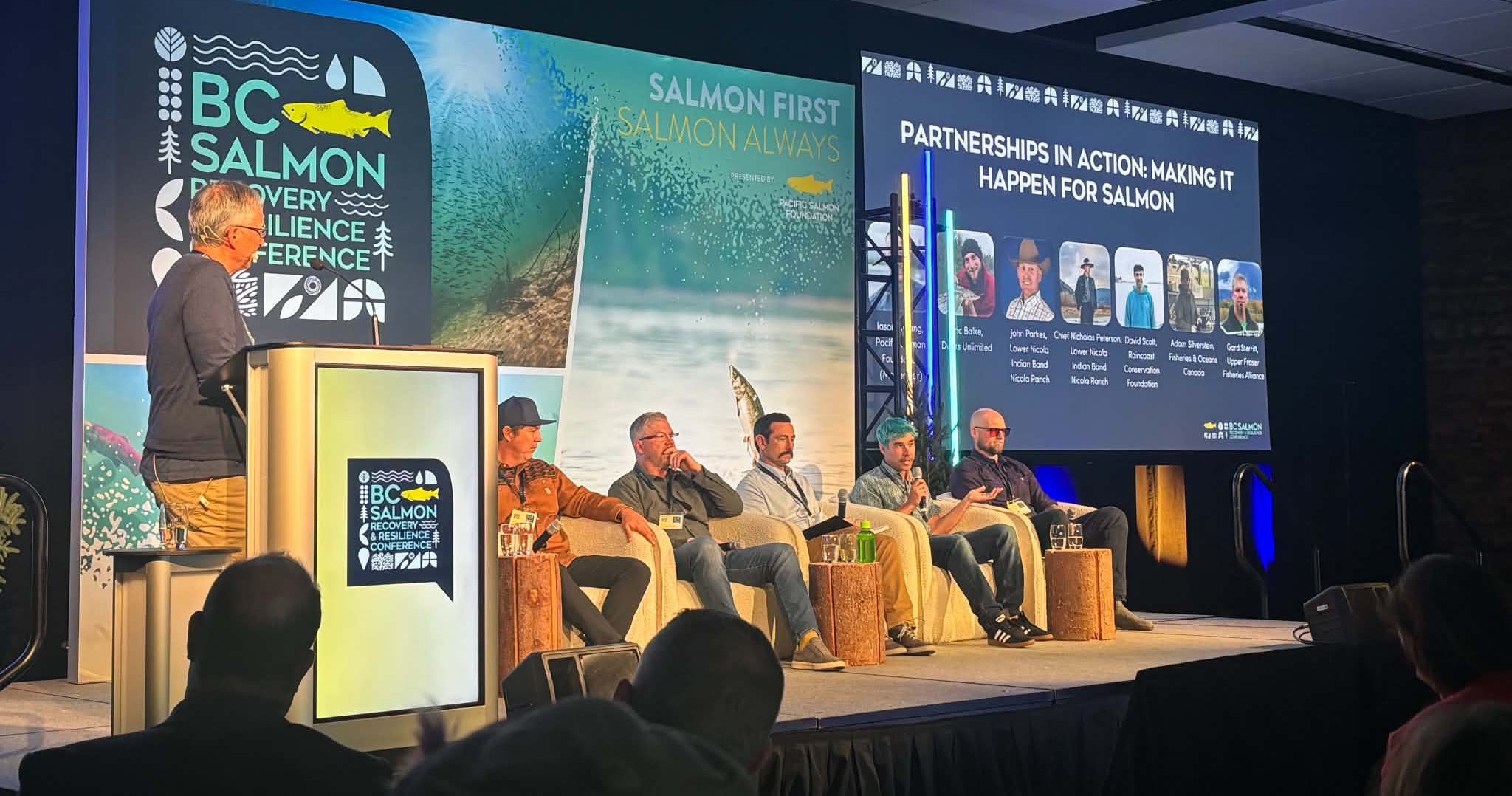
Lastly, Dave Scott, Lower Fraser River Restoration and Research Director, finished the conference in the closing plenary “Partnerships in Action: Making it Happen for Salmon” alongside Eric Balke, Senior Restoration Biologist at Ducks Unlimited Canada. This panel had three pairs of people working together on a shared goal, despite the differences in their work or affiliations. Dave and Eric shared experiences working together on multiple collaborative projects in the Fraser River Estuary, and highlighted the benefits and challenges of this successful collaboration.
Some of the most compelling and recurrent themes throughout the conference were:
- Collaboration makes our work stronger. When groups work together, salmon conservation becomes more effective and resilient.
- Relationship is at the heart of stewardship. Indigenous and community-led salmon work reflects a deep relationship with salmon, one that sustains populations for generations.
- Short-term funding is a shared struggle. Without stable, long-term support, it is hard to sustain the depth and breadth of work that salmon recovery requires.
- Gaps in monitoring limit what we know. Salmon populations differ in important ways, and without consistent, thorough data, it is hard to understand the full scope of the problems or to make well-informed decisions for each population.
- People keep showing up for salmon. Even with limited funding and unknowns, people continue to innovate, advocate and find creative ways to support salmon and the communities that depend on them.