

Monitoring belugas and vessel noise in a changing environment
Photo by Jaclyn Aubin.
Beluga research
As sea ice retreats, previously quiet waters face increased vessel traffic, with consequences for communities and wildlife.
The overall objective of this initiative is to monitor underwater noise in Western Hudson Bay, to assess its impacts on belugas, and to predict the long-term effects of commercial traffic in Western Hudson Bay.


A rapidly changing Northern ecosystem
Across the globe, wildlife is threatened by anthropogenic disturbance and climate change. Species inhabiting the Arctic and sub-Arctic regions, such as belugas (Delphinapterus leucas), may be particularly vulnerable to rapid ecosystem changes and increased human incursions into previously minimally disturbed habitats. Belugas hold a vital role within their ecosystems as consumers of fish and invertebrates, and as a prey source for apex predators. Belugas are also deeply significant within the culture, traditions, and foodways of First Nations and Inuit communities, and hold economic value as drivers of ecotourism. Yet despite their environmental, cultural, and economic value for Canada, five of Canada’s eight beluga populations are at-risk.
Focus on the Churchill River Estuary
The Port of Churchill is positioned for significant expansion as part of Canada’s broader infrastructure development strategy. In September 2025, an expansion of the Port of Churchill was listed on Prime Minister Mark Carney’s Transformative Strategies List. Port activities and associated vessel traffic in Western Hudson Bay will increase substantially in the coming years, making baseline acoustic data collection critically important for environmental monitoring and impact assessment. Our project aims to address this gap, building upon previous research led by Raincoast Cetacean Director Dr. Valeria Vergara, who used passive acoustic monitoring to examine the vocal behavior of Churchill River belugas. We are currently working to better understand the impacts of underwater noise and disturbance on the vocal and social behaviour of belugas in the Churchill River estuary.


Listening across Western Hudson Bay
Increased vessel traffic across beluga summering grounds and migratory routes could lead to behavioural changes, reduced population health, and displacement from disturbed habitats. We aim to establish a region-wide hydrophone network to investigate the impacts of increased vessel traffic across Western Hudson Bay. Acoustic monitoring at several sites, including the Seal River and Nelson River estuaries, and offshore sites along shipping routes will allow us to quantify ambient noise and assess changes in noise levels.
Through collaborations with colleagues across Canada, we will contribute to broader efforts to understand the impacts of increased shipping in other polar regions. This work evaluates the potential impacts of Northern shipping expansions to determine whether they are compatible with the long-term wellbeing of coastal ecosystems, wildlife, and the communities that depend on them.
Our plan
- Collect acoustic recordings, visual observations, and photographic data of belugas;
- Measure and quantify levels of anthropogenic noise;
- Investigate the vocal and social behaviour of Western Hudson Bay belugas and the impact of anthropogenic noise on beluga behaviour.
Our partners
We are working in collaboration with several other organisations and stake-holders, including Oceans North, Frontiers North Adventures, Polar Bears International, the University of Windsor, and Mitacs.

Recent articles

By listening in on belugas, scientists can better understand their social structure and their conservation needs
New research highlights strong population structure in the endangered St.…

Raincoast scientist gives testimony to Government of Canada on the threat posed by plastic pollution
This month, a standing committee of the House of Commons…

Keeping watch on the Salish Sea
Janine McNeilly tells us how she fell in love with…
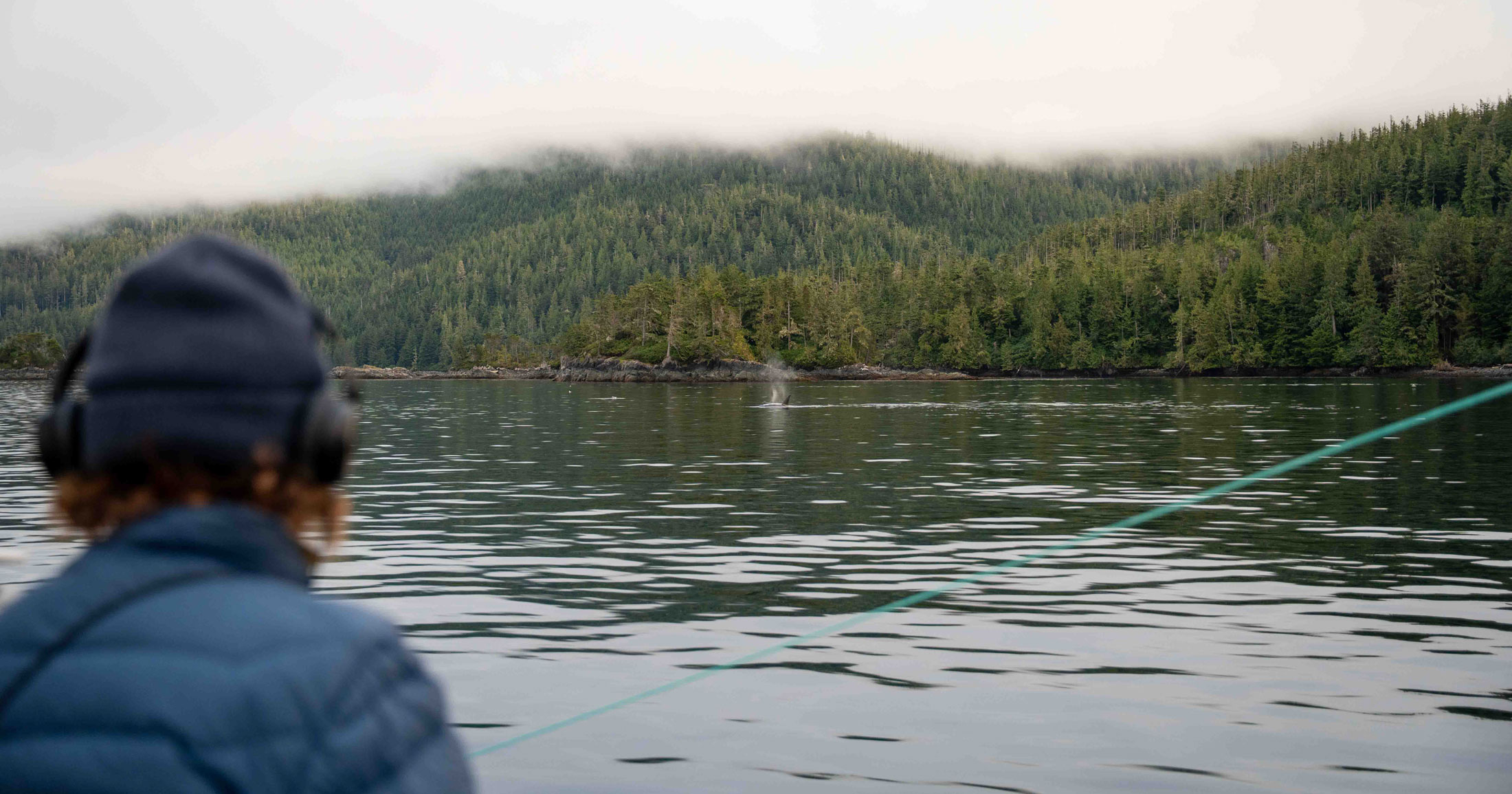
New research aims to bring underwater noise’s true impact on killer whales into focus
Extended periods of time at sea are necessary to collect…

The social and cultural lives of belugas
Exploring beluga sociality and culture through the lens of behaviourial…

New scientific review highlights the complex and culturally rich social lives of belugas
Belugas live in multilevel, dynamic societies shaped by kinship, sex,…

Do belugas have bromances?
Belugas live in far more complex and culturally rich societies…
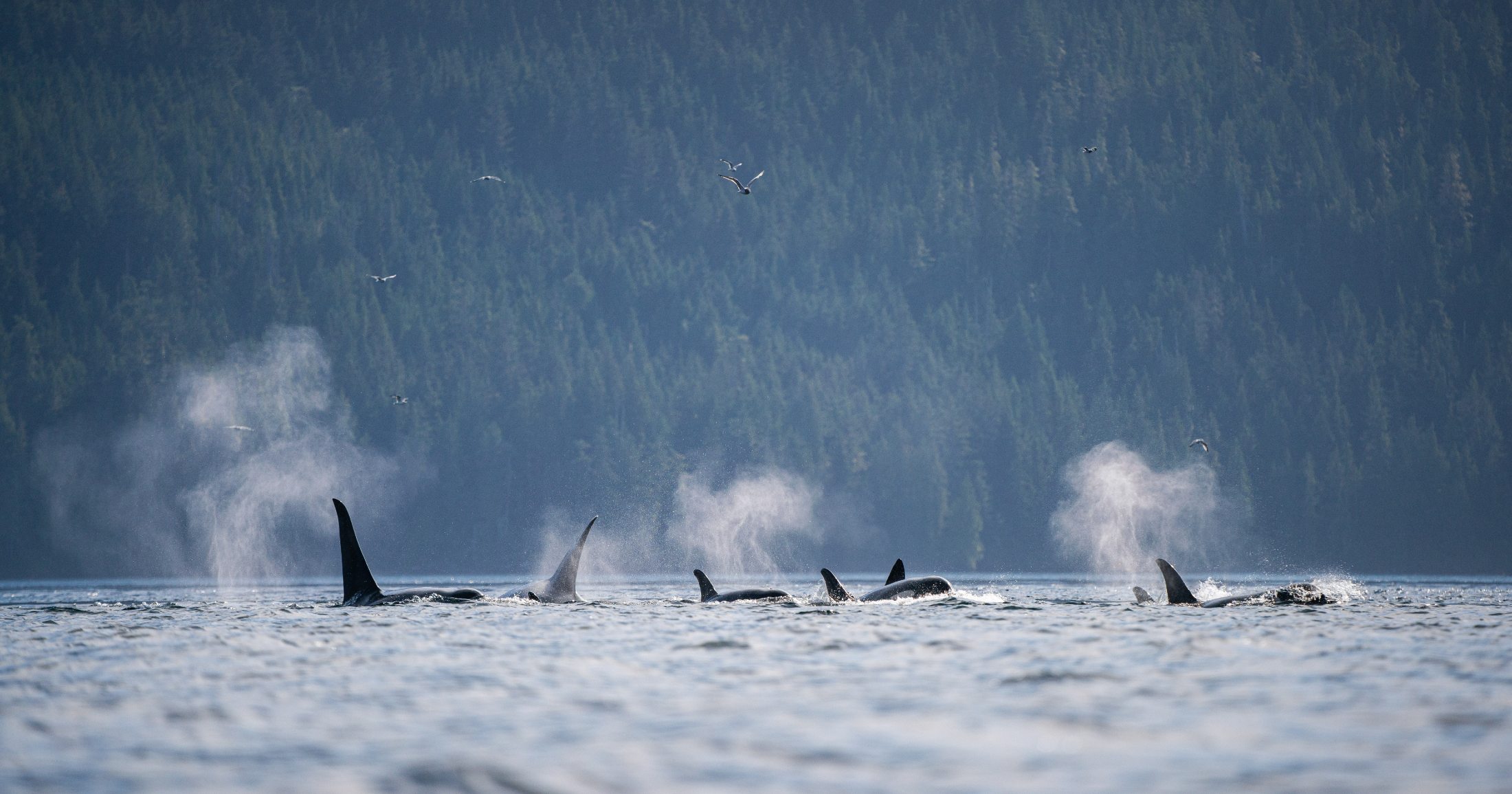
Listening to protect
Our ongoing projects allow us to hear cetacean vocalizations in…