When people and plants grow together
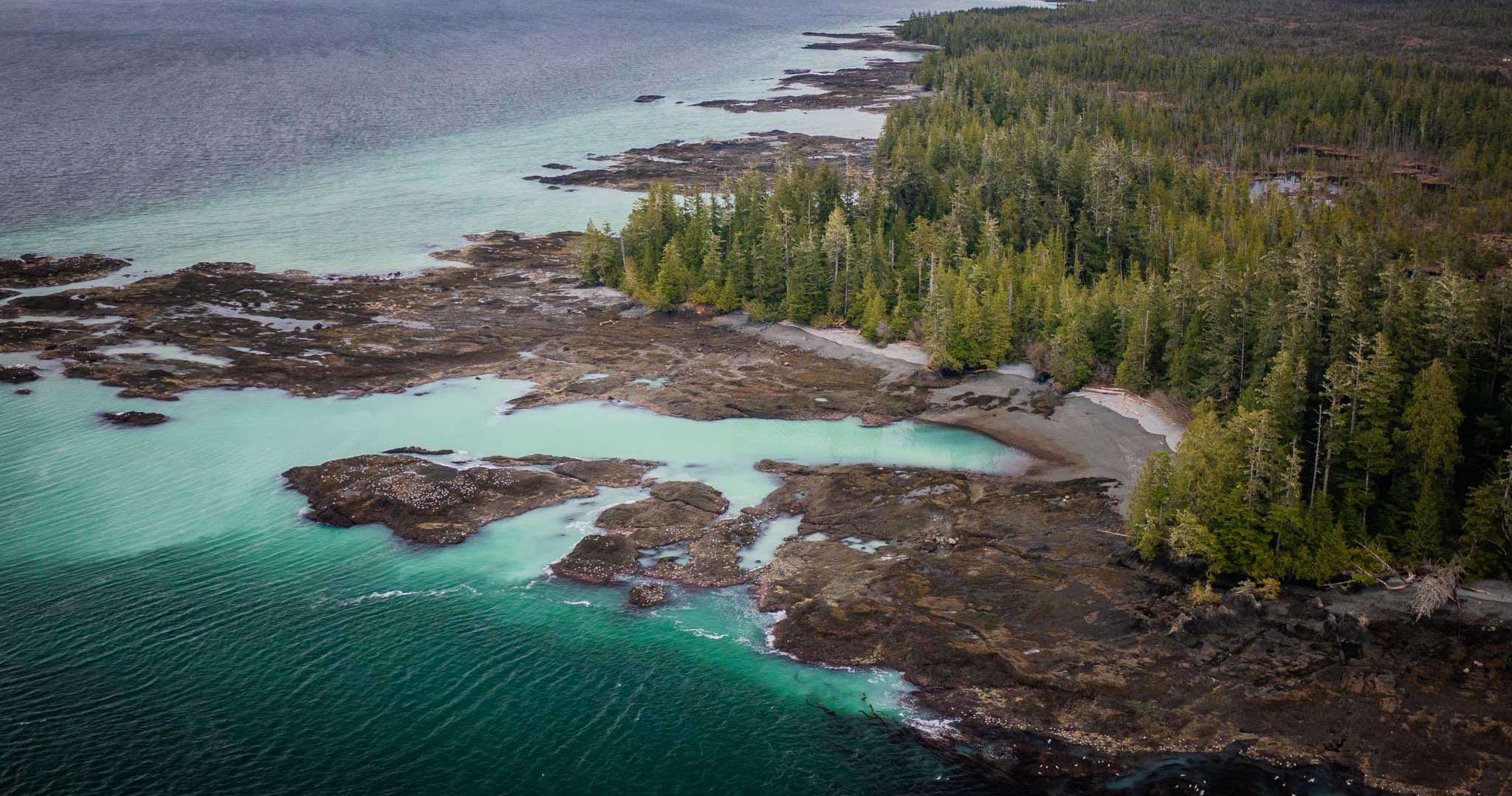
The Salish Sea provides the perfect backdrop to explore the interconnectedness between plants, places, and people.
This October, we welcomed another group to Land Healing Stewards, Raincoast’s education and restoration initiative that brings people together to the land to learn, share, and connect.
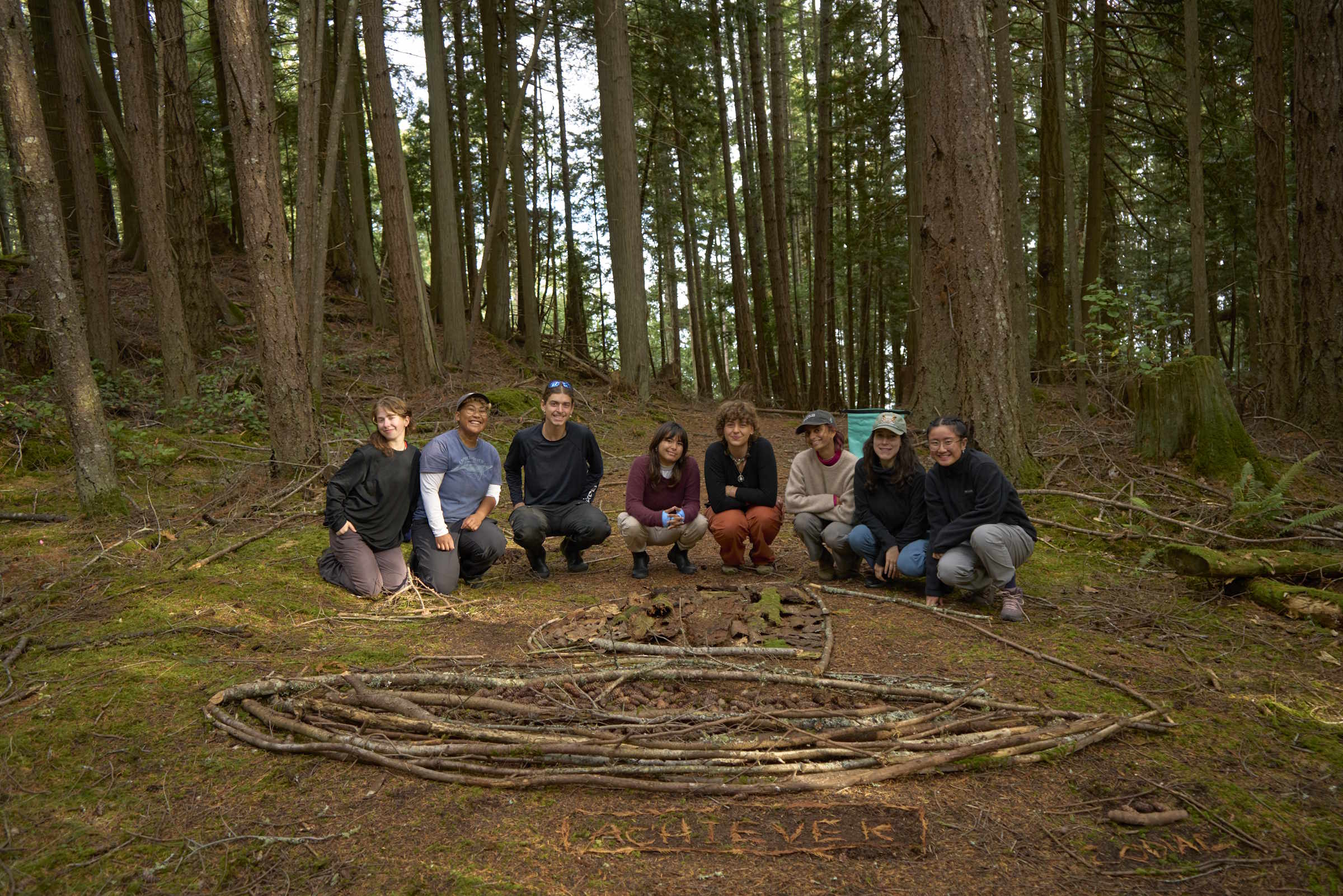
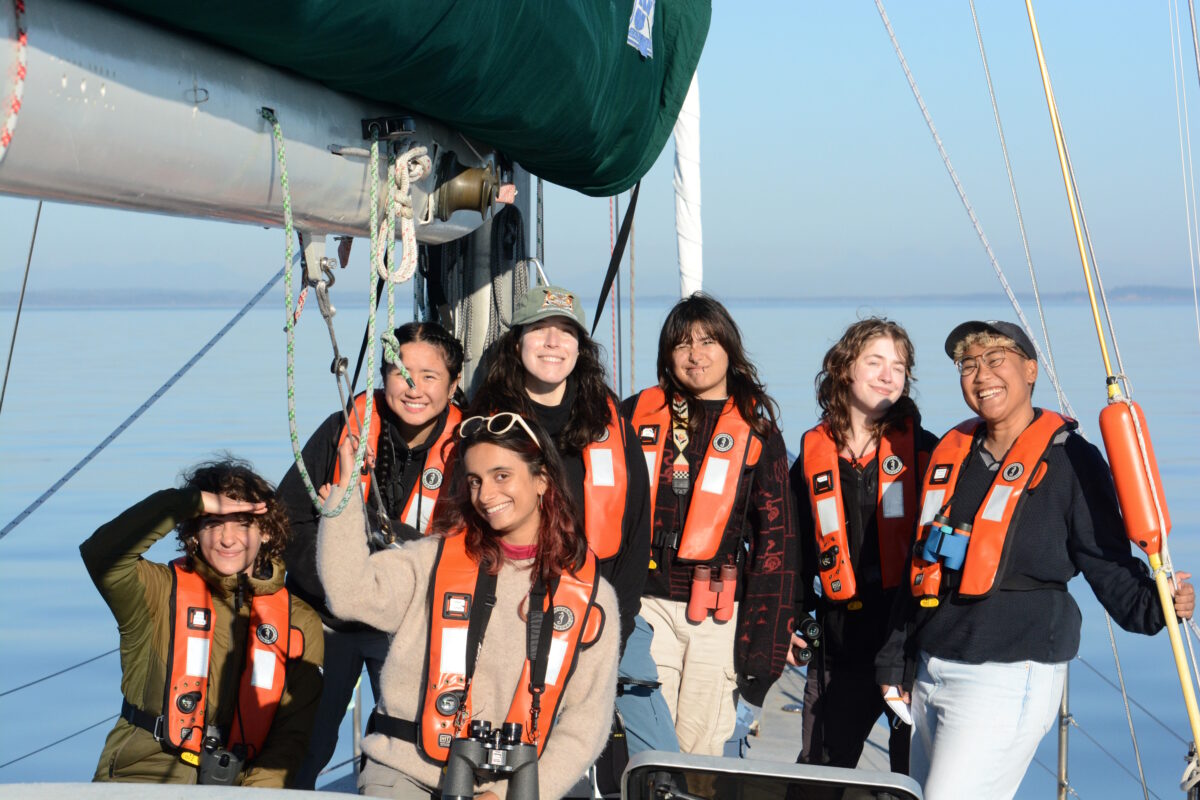
Boarding Achiever for a sea-to-soil expedition, eight BIPOC and 2SLGBTQ+ youth ages 19-29 spent five days discovering the Southern Gulf Islands, including KELÁ_EKE Kingfisher Forest on S,DÁYES (Pender Island). Immersed in place-based learning, participants were provided opportunities for field-based skill-building and given a platform to connect and share with like-minded youth, while also contributing to the restoration of a Coastal Douglas-fir ecosystem.
Our trip took place between two moons of the W̱SÁNEĆ 13 Moons Calendar1 2: the ĆENQOLEW (The Dog Salmon Return to Earth)3, most often associated with September, the time when the last of the chum (dog) salmon will return and when water levels should be rising in creeks and rivers; and PEKELÁNEW (The Moon that Turns the Leaves White)4, associated with October, when the first frosts of the season arrive as the Earth’s temperature is cooling. The ecological features encapsulated by these moons tell us about local ecology and helped guide our stewardship activities.
Planting seeds of change
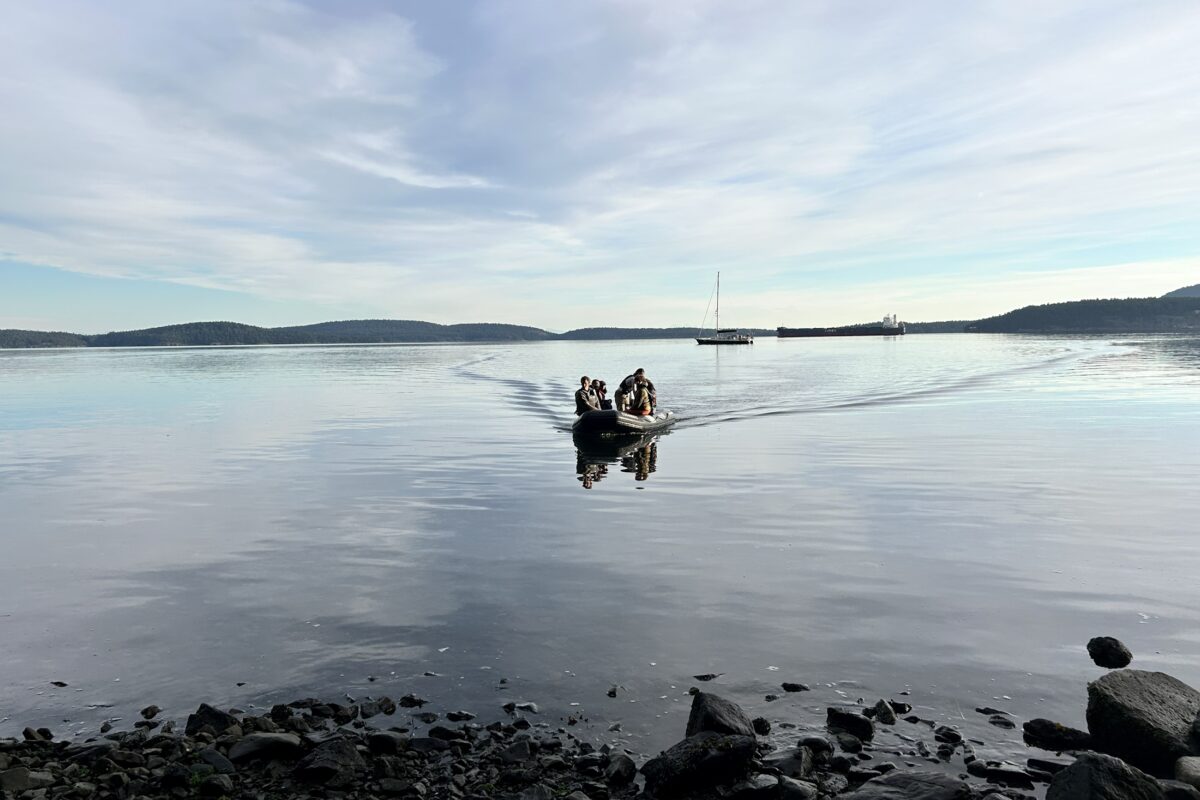
The group was welcomed aboard Achiever by LHS co-lead Pascale Campagna-Slater, Captain Xander Oldaker, and Mate Sophie Douglas. We kicked things off by cruising Haro Strait to Mandarte Island, where we observed thousands of cormorants and gulls, then made our way towards Pender Island, where we were met by Priya Puri, the other LHS co-lead. After a sunset excursion to Mortimer Spit Park, we introduced participants to the program and guided them through a reflection on how plants, places, and people have impacted their lives.
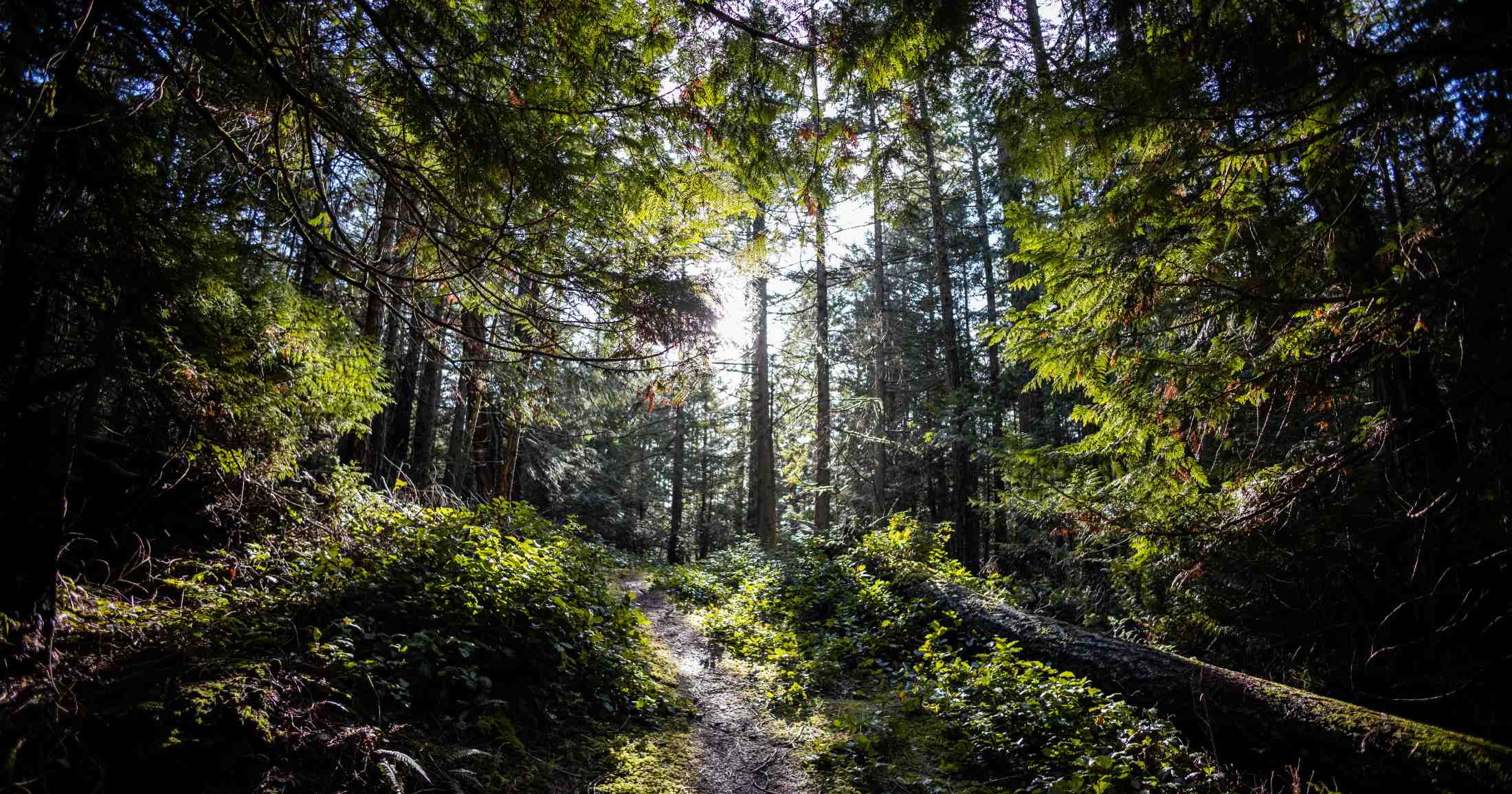
With forest-based learning and ecological restoration being a central part of this expedition, we began things bright and early the next morning at KELÁ_EKE Kingfisher Forest. We started our day in the forest with a short shinrin-yoku (forest bathing) exercise to focus our senses, warm up our observation skills, and practice looking for invitations in the forest. Feeling a greater sense of understanding of the natural space around us, we then journeyed into KELÁ_EKE Kingfisher Forest to learn more about the ongoing ecological monitoring and restoration efforts being carried out to protect all of the plants and wildlife that call the forest home.
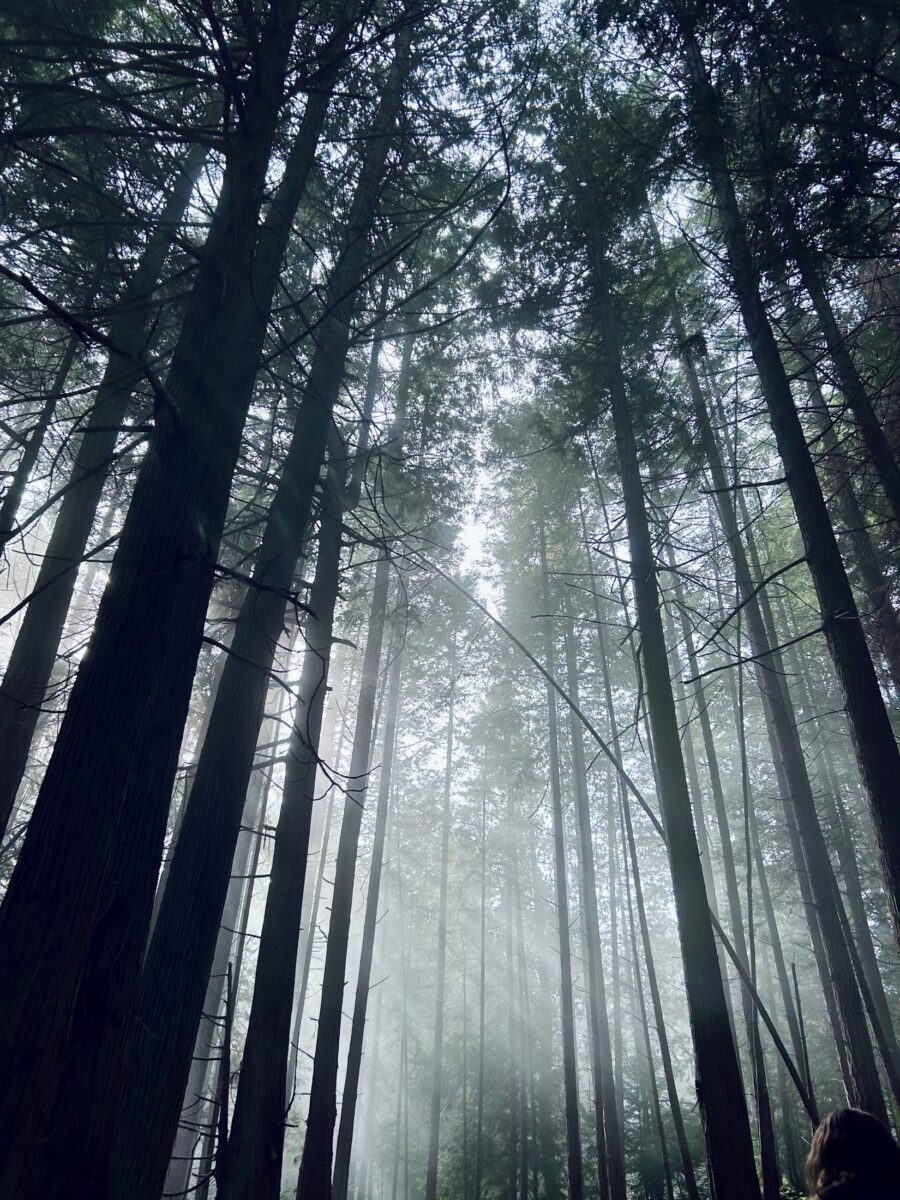
As we walked through the forest, looking up at towering Douglas-firs and western redcedars and surrounded by bushy salal and sword ferns, we looked to these forest plant species for invitations to share knowledge and discuss forest conservation topics. Invited by the sparkling resin exuding from thick Douglas-fir bark, participant Jayden shared about the fire-resistant properties of Douglas-fir bark, earning its name as ‘the fire tree’, and its importance to Coast Salish communities.
While stopping to admire an old-growth Douglas-fir surrounded by stumps from past logging activity, we spent time discussing the importance and ecological value of old-growth forests, prompting participant Paula to share some facts about the spotted owl and its reliance on old-growth forest habitat. Keeping our observation skills sharp throughout the forest walk, participant Anakin spotted a western redcedar tree with evidence of cultural modification, further reminding us of the inherent connection between plants, places, and people.
We also noticed the lack of plants in parts of the forest understory, and we discussed the impacts of the twin biodiversity and climate crises, habitat fragmentation, deer overgrazing, and dense forest canopies. Canopy gaps are important for allowing new plants to grow, and we discussed the types of ecological restoration techniques that can be used to let more sunlight reach the forest floor and create mosaic forest landscapes. Observing the wetland restoration area at KELÁ_EKE Kingfisher Forest, we were able to see how the forest has begun to reconnect itself where there was once a cul-de-sac, while also observing species, such as a 3-legged Pacific chorus frog, utilizing the reconnected forest wetland habitat.
In the afternoon, we rolled up our sleeves and got hands-on at Gardom Pond, an existing wetland on the perimeter of KELÁ_EKE Kingfisher Forest, where we dove into invasive plant management and native species planting. The shores of Gardom Pond have been overrun with introduced reed canarygrass, suppressing the native plant diversity and all of the species that would rely on these plants, such as pollinators and songbirds. With our partners at the Pender Islands Conservancy, we have been working to combat this invasive grass and bolster native biodiversity through smothering and then replanting cleared areas with native forest wetland species.
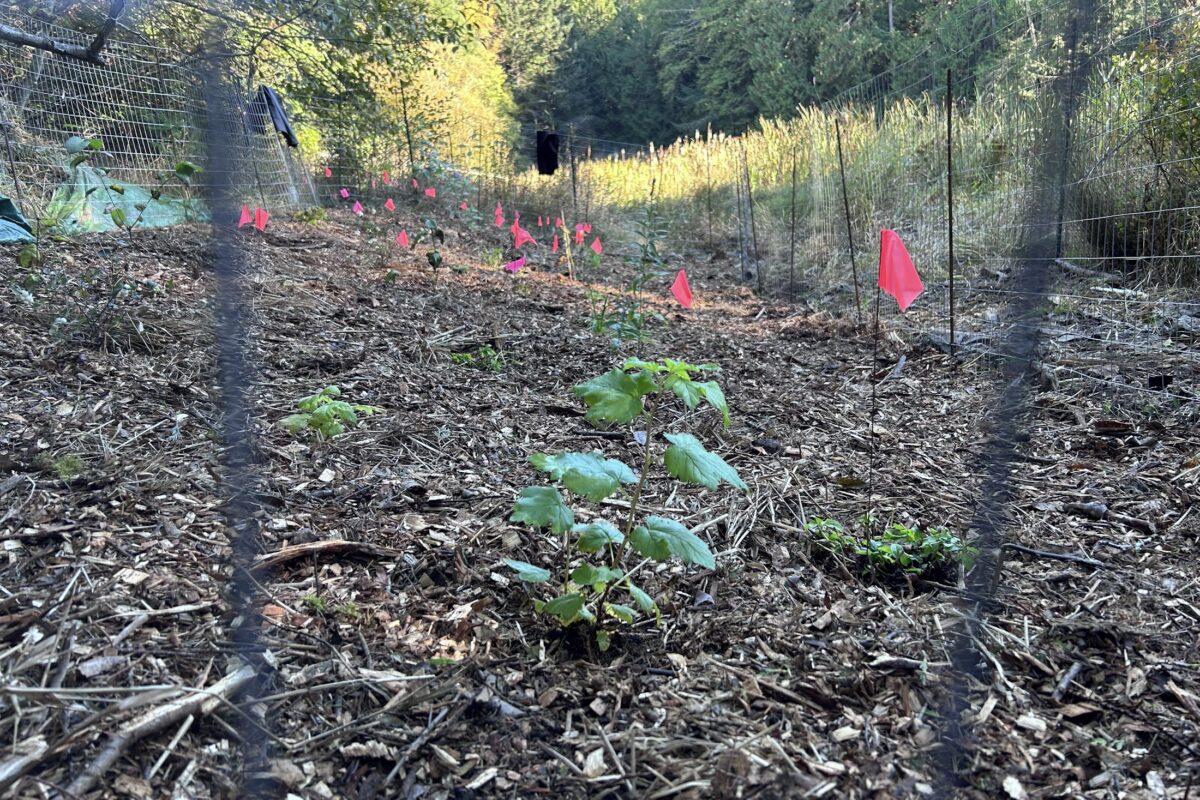
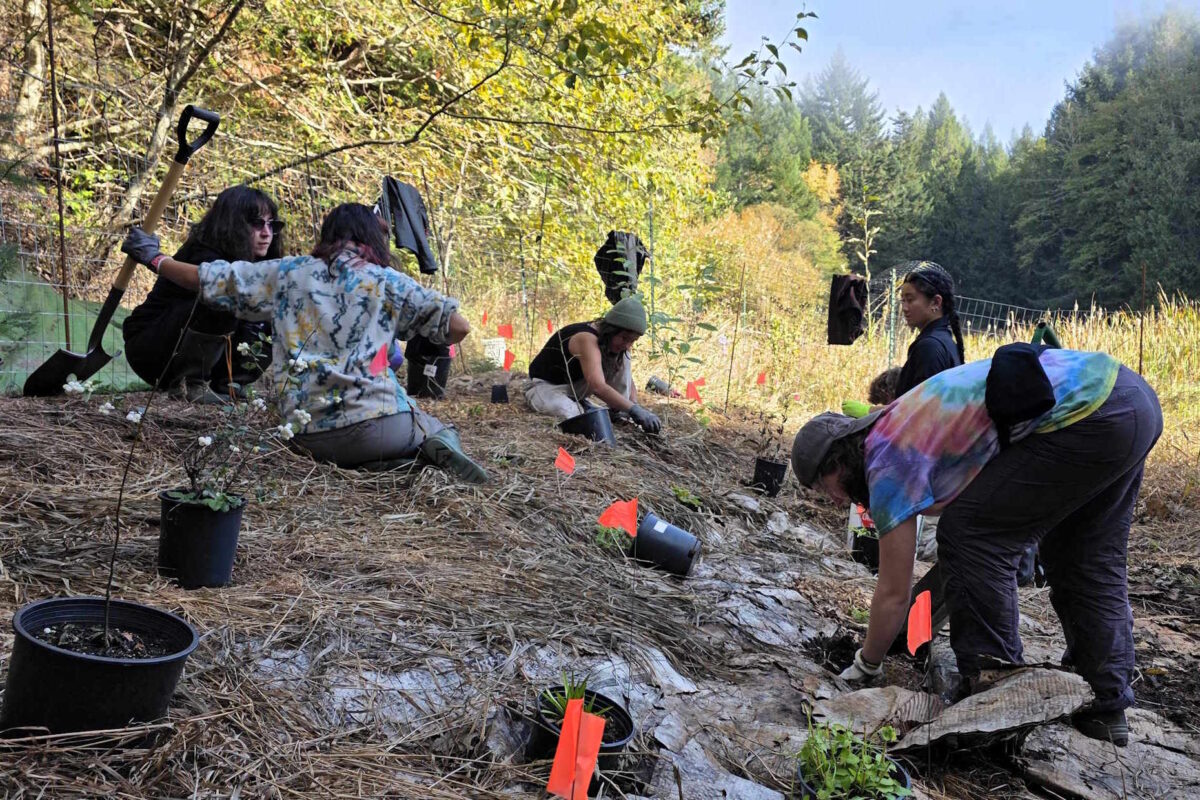
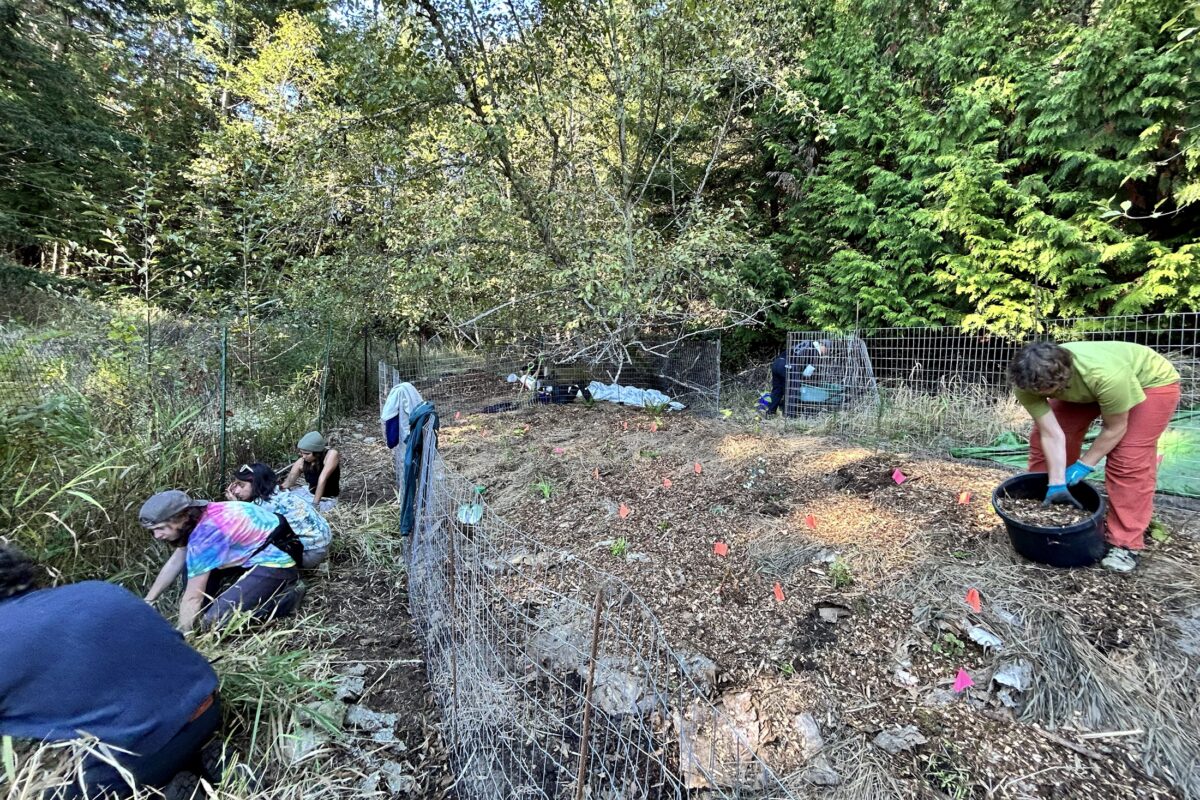
Together, the group planted 50 different native fern, grass, herbaceous, shrub, and tree species in the restoration area, and added mulch to help ensure the establishing plant roots would be insulated and moist. Deciduous trees, such as red alder, will grow tall and create shaded conditions that suppress shade-intolerant reed canarygrass, while also helping improve soil health that has been suppressed by the rhizome root mats of the invasive grass. The group then channeled their energy into manual removal of reed canarygrass that was attempting to encroach on previously restored areas.
Finishing off the day at the Gardom Pond lookout, the group was able to enjoy a bird’s-eye view of their hard work and share their reflections from a busy day in a Coastal Douglas-fir forest. Participants felt energized from transforming what was once a monoculture of introduced grass into what is now going to flourish into a biodiversity refuge.
“Place-based learning, to me, has more of a meaningful impact because I am directly observing and sometimes interacting with the protection and change I want to make, whether it’s the forest, our ocean, and specific species.” – Participant Johanna
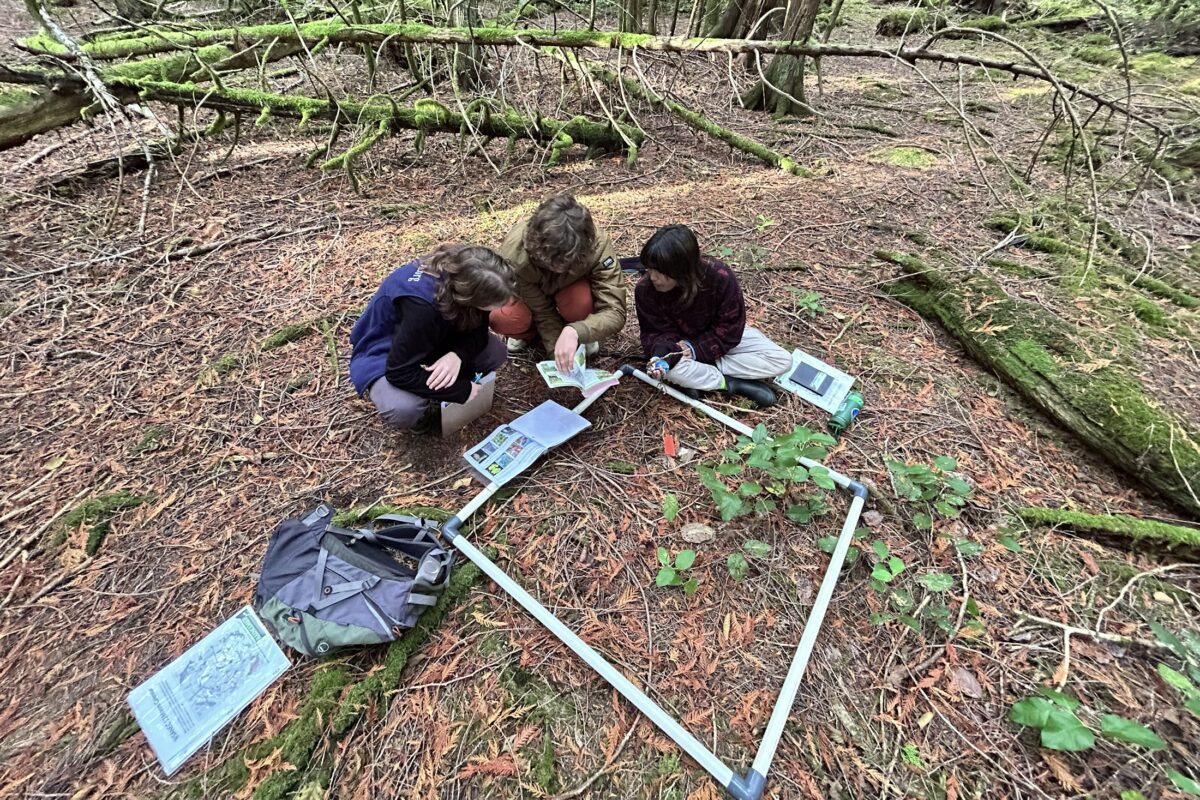
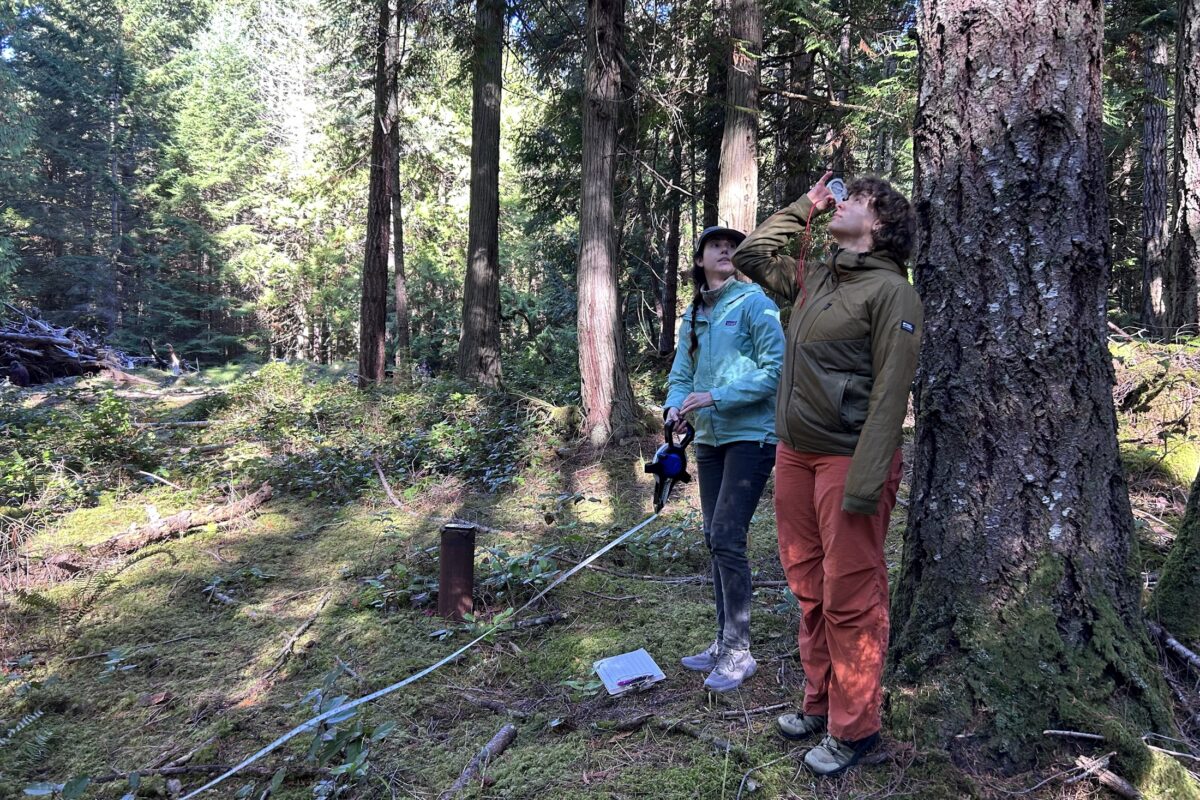
Returning to KELÁ_EKE Kingfisher Forest the following morning, we shifted our focus to ecological monitoring skill-building. We introduced the group to two different types of techniques that are used to continually assess the health of coastal forest ecosystems and the impacts of ecological restoration. Becoming more acquainted with field tools such as 1×1 m quadrats, vegetation field guides, measuring tapes, and inclinometers, the group worked together to complete understorey vegetation plots and measure trees.
We look to the W̱SÁNEĆ 13 Moons Calendar as a vital reference for local ecological baselines and how to monitor the impacts of a changing climate. People play an important role in documenting and monitoring ecological features over long-term periods. Collecting meaningful field data has many applications in restoration and conservation decision-making, and it helps us better quantify shifting baseline syndrome.
Nature as a place of learning
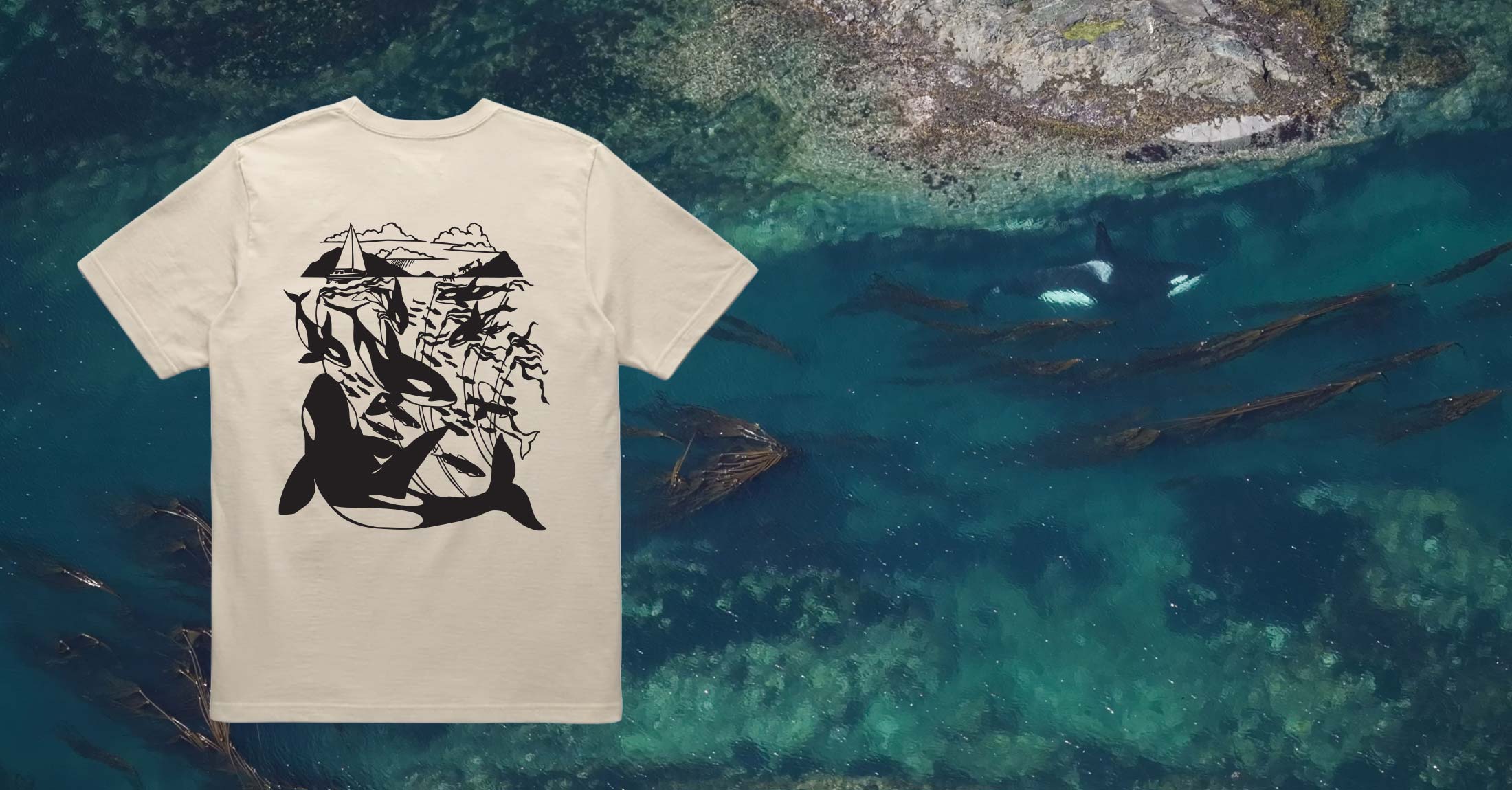
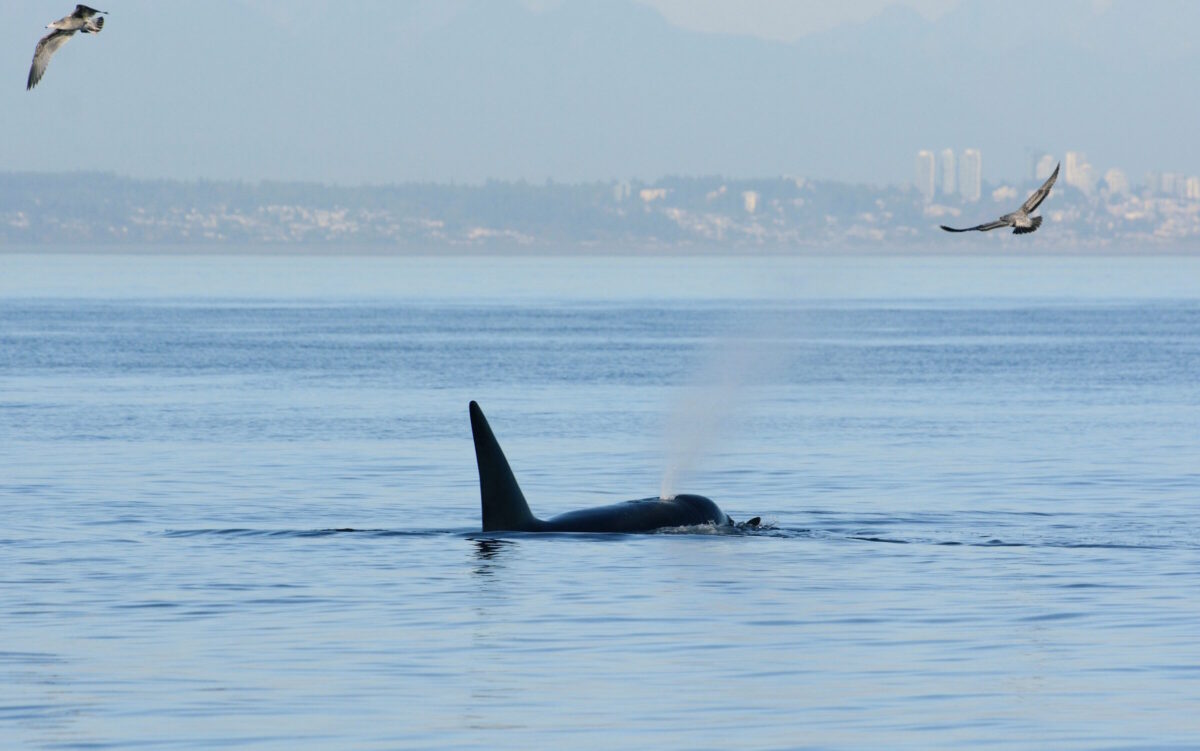
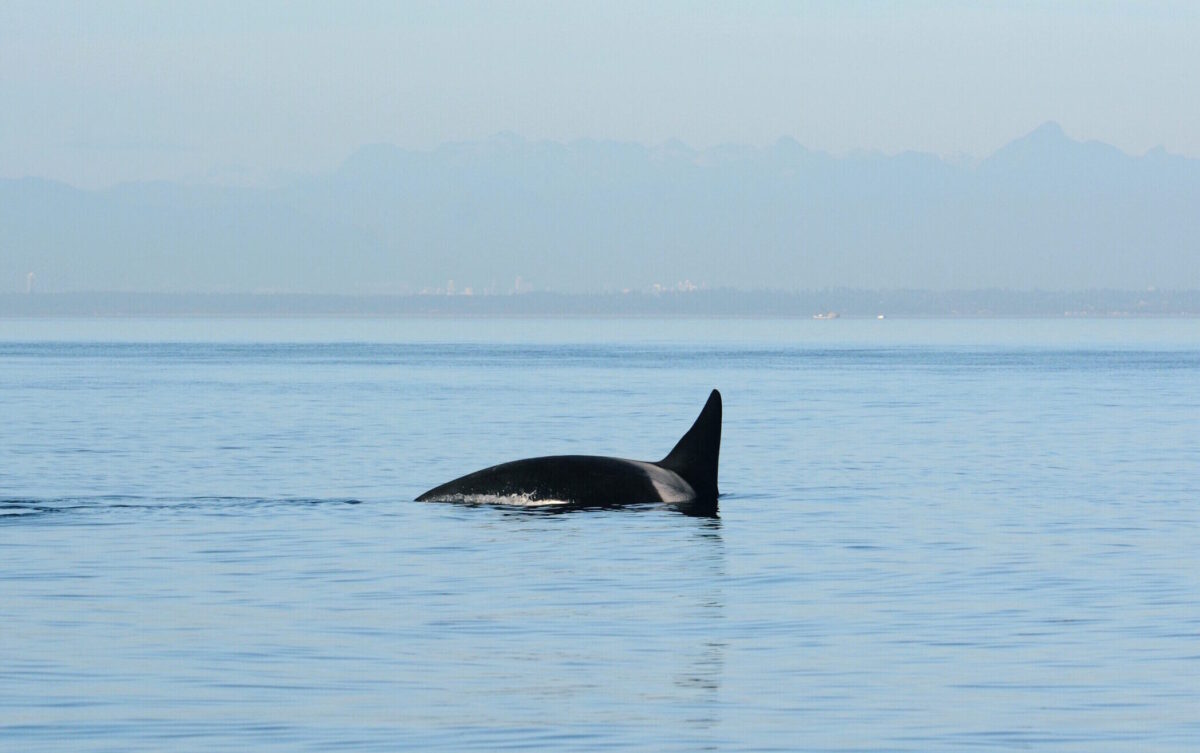
Following our time at Kingfisher Forest, we spent the rest of the trip exploring the Gulf Islands, observing various local species, and discovering the interconnectedness of coastal ecosystems. We were lucky to observe common murres, surf scoters, and many other seabirds, and marine mammals such as harbour seals, Steller sea lions, and harbour porpoises. We also observed a group of Bigg’s killer whales go from quietly travelling in the Strait of Georgia to displaying their power and prowess in chase of a porpoise. As described by participant Paula:
“As the sun was setting on our third day, we went searching for orcas after hearing a report nearby. I expected to see them far off in the distance cruising, what we got to experience was the full cycle of life and interconnections in the ocean. We were witnesses in awe, nothing else. Seeing bursts, hunting, and scavenging, as T37B1 hunted a porpoise and gulls followed nearby.”
Visiting other islands also allowed the group to explore different terrestrial ecosystems and species. At Campbell Bay on Mayne Island, we observed Garry Oak meadows, a belted kingfisher and its burrow, and huge tree stumps, evidence of the old-growth forests that once covered the shores. We saw the shell middens of Montague Harbour on Galiano Island, reminding us of the Indigenous communities who have been the stewards of these habitats since time immemorial. We took time to appreciate that the natural places all around us have been shaped over long timescales, showcasing how the stewardship actions from this trip are not only for today but for future generations.
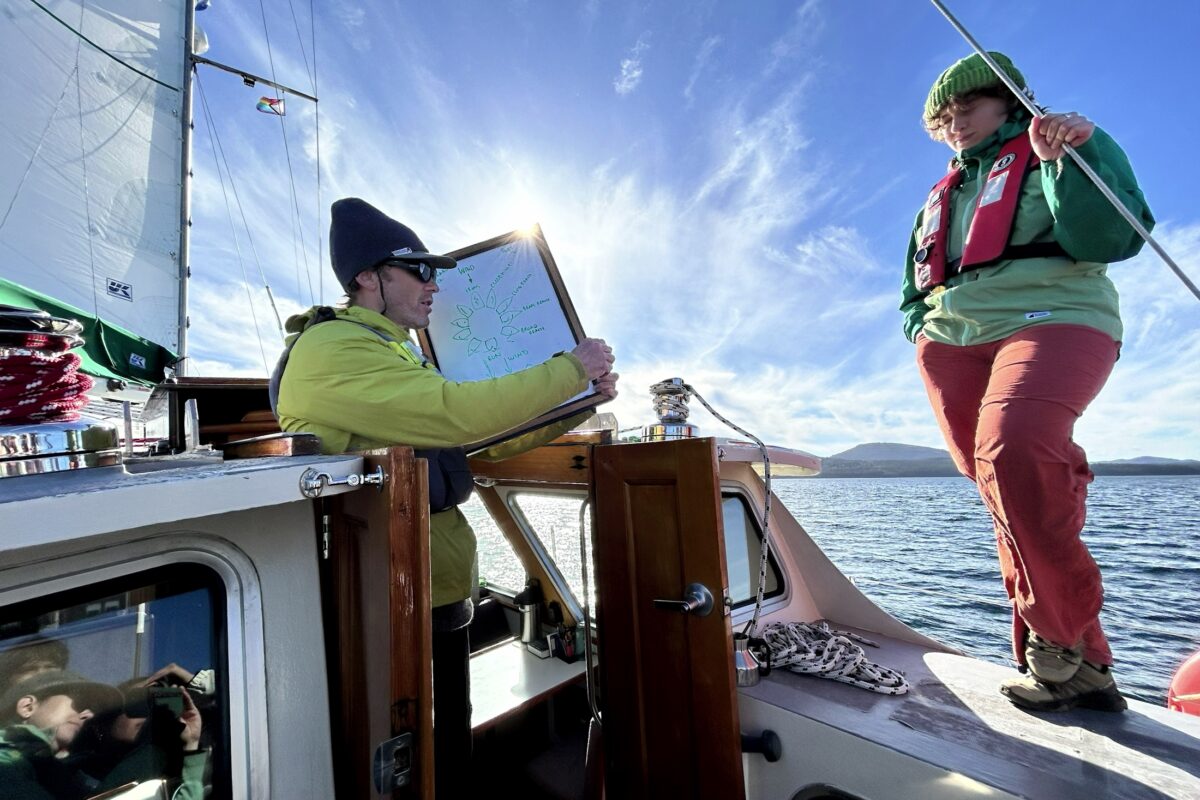
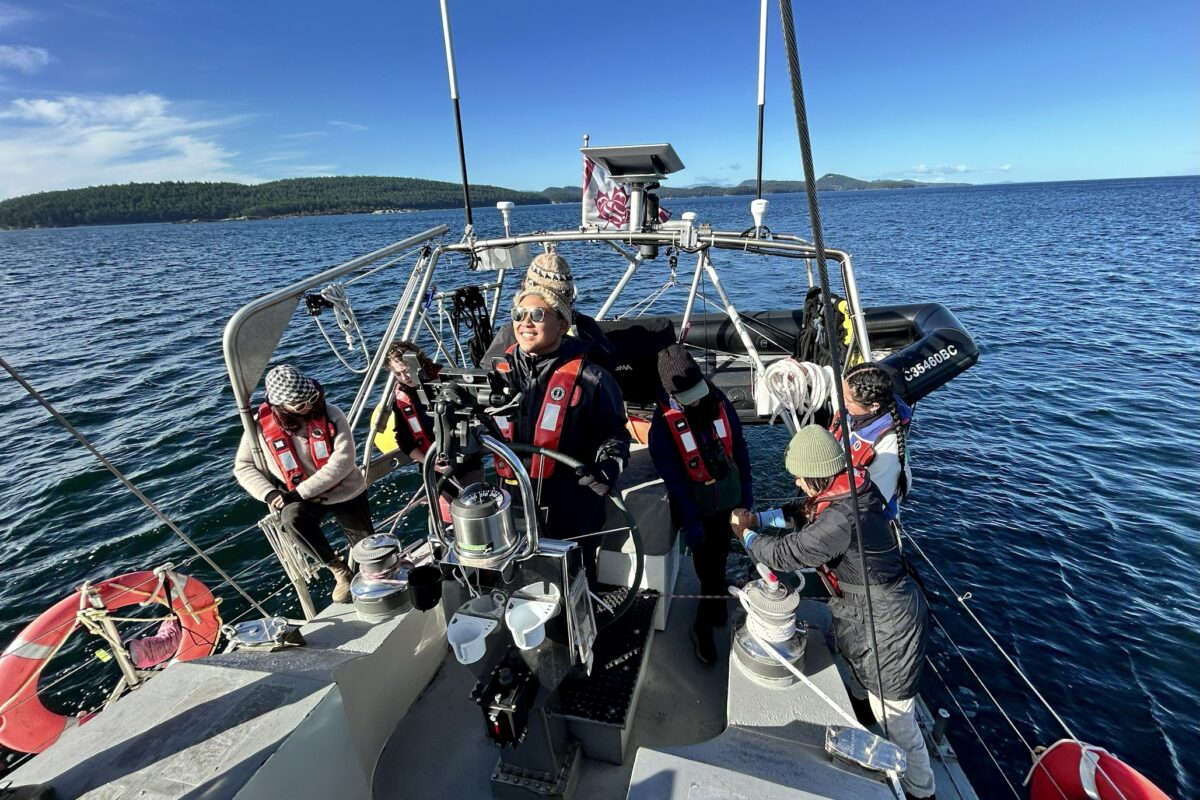
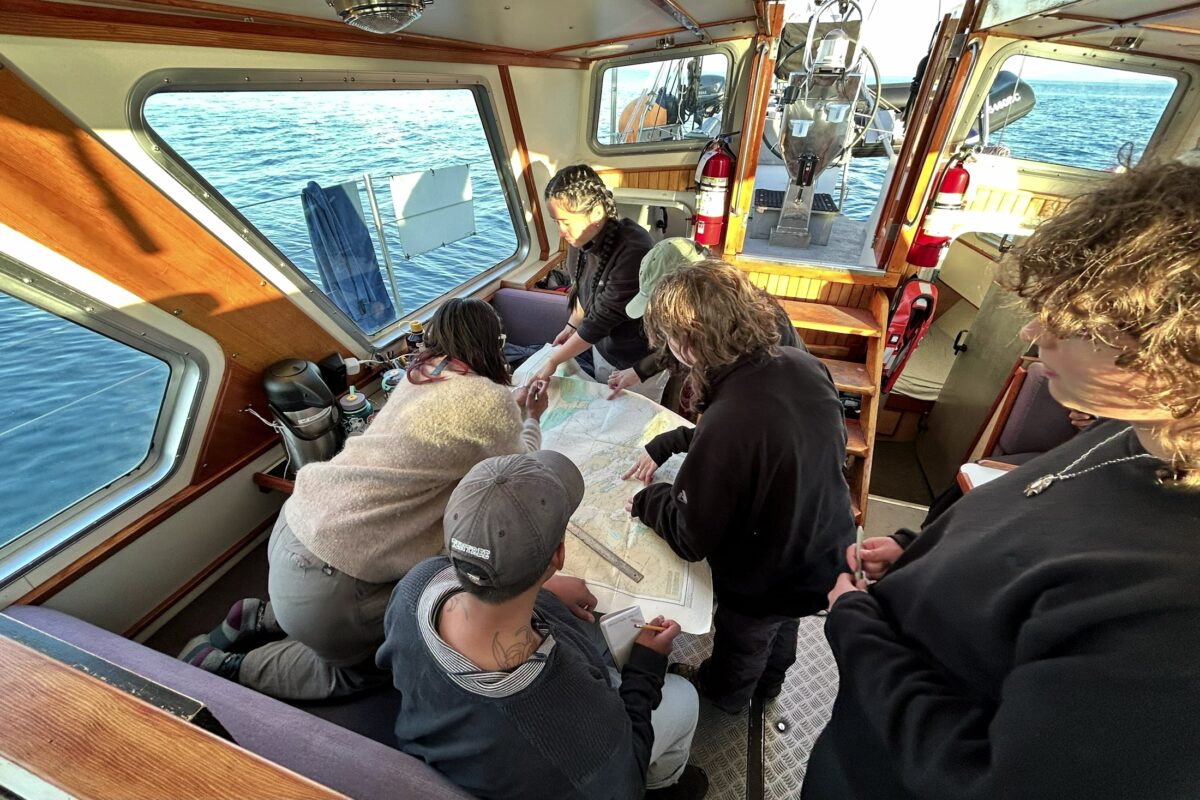
Spending five days aboard Achiever was also a great opportunity for participants to learn sailing and navigational skills. We had just enough wind to get a proper sailing lesson from Xander and Sophie, complete with points of sail theory. We were impressed by how quickly everyone learned, and by their enthusiasm for grinding winches. Xander gave participants the opportunity to take the helm and taught the group how to navigate without the use of technology. Many in the group had previous experiences with land-based work, and appreciated the opportunity to spend time on the sailboat and learn new marine-based skills.
Becoming each other’s community
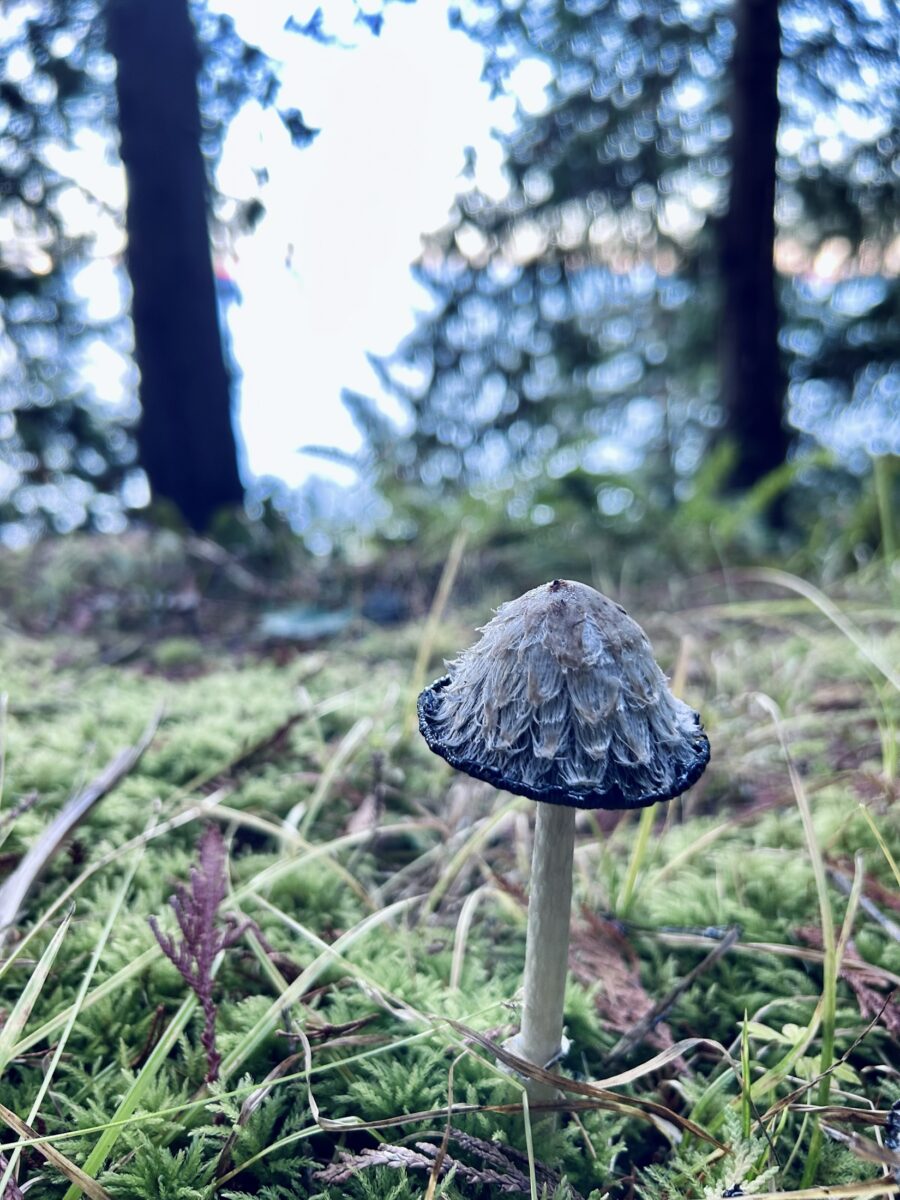
Land Healing Stewards expeditions are not only for participants to learn, but also to teach, share, and connect. This was an empowered and outspoken group, and everyone shared their own expertise, such as identification and biology of birds, mosses, and fungi. Participant Ava also led a sharing circle on climate grief, and Katelyn H.C. introduced us to the emerging field of queer ecology5, sharing how nature exists outside of a binary.
We are grateful to the participants for their courage to join a trip with people they had never met before. Over the course of five days, we saw participants go from discovering mutual connections and shared experiences amongst themselves, to forging pathways for connection beyond this trip. We commend the group for being open to new experiences and showing up for themselves, each other, and nature.
“It has encouraged me to seek out new ways to connect land stewardship with community building. The experience of being able to share learning and wonder with others was amazing!” – Participant Rekha
“It has inspired me to do more research and share what I’ve learned with my friends and family. It has also broadened my perspectives of different ways conservation can be done and the interconnectedness of human relationships with the land and animals.” – Participant Katelyn F.C.
Thank you to our supporters
Thank you to the Gencon Foundation, the Real Estate Foundation of BC, DP World, and the Saanich Peninsula Community Foundation for supporting Land Healing Stewards programming. We extend our gratitude to the team at the Pender Islands Conservancy for your ongoing in-kind support of our land stewardship activities. Thank you to our partners Special Bird Service, Red Fox Healthy Living Society, Talaysay Tours, and the W̱SÁNEĆ Lands Trust Society, as well as past Land Healing Stewards participants, for sharing and amplifying this opportunity.
- The 13 Moons of the W̱SÁNEĆ ↩︎
- Listen to the pronunciation of the W̱SÁNEĆ 13 Moons: https://niltuo.ca/moons/ ↩︎
- Learn more about ĆENQOLEW ↩︎
- Learn more about PEKELÁNEW ↩︎
- https://onlinelibrary.wiley.com/doi/10.1002/ece3.73063 ↩︎