Impacts of Bill C-39 on the Protection of Species at Risk
To: Special Senate Committee on Bill C-39
From: Raincoast Conservation Foundation
Subject: Impacts of Bill C-39 on the Protection of Species at Risk
By: Dr. Lance Barrett-Lennard
November 20, 2026
Thank you for the Committee’s attention to Dr. Lance Barrett-Lennard’s testimony on November 16. Raincoast is not opposed to combining project assessments to make approvals more efficient, where this can be done without compromising environmental protection. We support streamlining, not shortcuts. The amendments below would keep the Bill’s efficiency goals while preventing five provisions from weakening protections for fish, fish habitat and species at risk.
| Concern | Proposed amendment | Relevant provision |
|---|---|---|
| 1. The Bill would amend the Fisheries Act to expand the use and transfer of habitat credits and authorize regulations allowing certain project proponents to pay fees to offset harmful effects on fish and fish habitat. Persons could pay a fee to offset harm to fish or fish habitat, with no requirement that the fees actually compensate for the harm (the Environmental Damages Fund does not guarantee ecological compensation). Some habitats, such as salmon spawning and rearing grounds, cannot be recreated. Without explicit safeguards, this would become “pay-to-harm.” | • Remove the offset-fee provision. If it is retained, it should be amended to make it clear that fees and credit transfers should be be permitted only as a last resort, after avoidance and mitigation have been applied, and subject to the following safeguards: a) offsets fully address ecological equivalence, additionality, permanence, time lags and failure risk; b) offsets exclude habitats that cannot be replaced with high confidence, including critical habitat of listed species, and c) fees are demonstrably sufficient to fund offsets that meet these criteria. | Division 7, clauses 184–186 and 189. |
| 2. The Bill would amend five statutes (the Canadian Energy Regulator Act, Canadian Navigable Waters Act, Canadian Environmental Protection Act, Species at Risk Act and Fisheries Act) to require Ministers or regulators, when setting certain permit and authorization conditions, to consider their “technical, economic and practical feasibility.” These provisions apply to specified categories of projects and activities, including activities associated with designated projects. They could allow environmental conditions to be weakened or removed because they are costly or challenging to implement. For species at risk, cost rather than biological need could determine the level of protection. | • Specify that feasibility may guide the choice among effective conditions, but cannot justify weakening or removing a condition needed to meet the protection standard of the relevant Act. • For SARA permits, state expressly that the requirement not to jeopardize the survival or recovery of a listed species (s. 73) prevails over feasibility considerations. | Division 3, clause 125 ;Division 4, clause 159;Division 5, clause 167;Division 6, clause 177;Division 7, clause 183. |
| 3. The Bill would impose a 300-day deadline for completing impact assessment reports and a 365-day deadline for issuing decision statements, following receipt of the required information and studies. We are concerned that these timelines will be insufficient for many large projects, where careful consideration of potential impacts, effective mitigation measures, and feedback from First Nations and community consultations is essential. | Remove the relevant provisions or specify longer deadlines for complex or extensive projects, particularly those potentially affecting the critical habitat of listed species or requiring deeper Indigenous consultation. | Clauses 16, 26 and 50. |
| 4. The Bill would allow the removal or weakening of conditions for environmental impact mitigation for projects approved prior to its passageConditions on existing projects have been arrived at through an extensive scientific process; there is no justification for relaxing them after the fact. | • These clauses should either be removed or amended to specify that conditions on projects already approved cannot be removed or weakened, unless independent scientific review shows that the alternative provides equal or better protection. • Require public notice and reasons for any change to existing conditions. | Division 1, clause 53; Division 2, clauses 100–101; and Division 4, clause 160. |
| 5. The Bill would allow construction activities for projects to proceed before environmental assessment is completed. | This clause should be removed. | Division 1, clause 4(2) |
Why this matters: The example of Roberts Bank Terminal 2
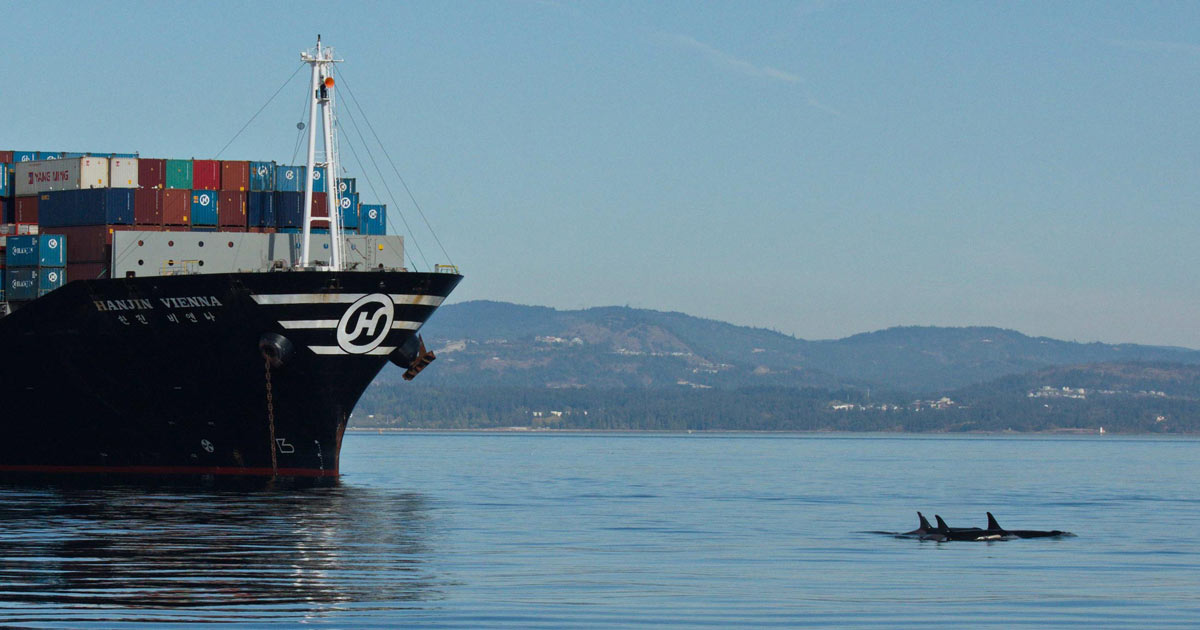
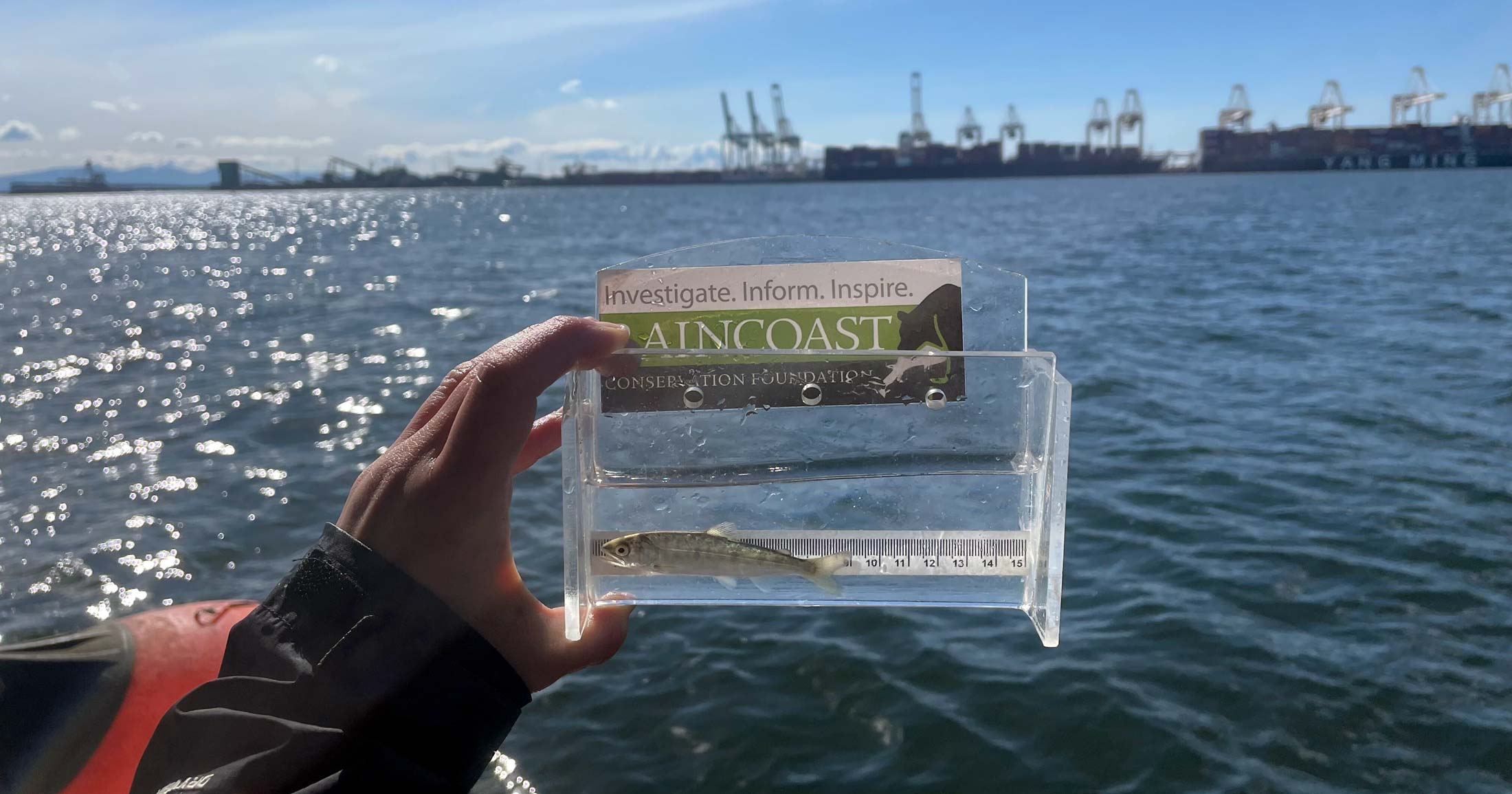
Roberts Bank Terminal 2 went through a multi-year independent review and received its federal Decision Statement in 2023. The Review Panel found significant adverse and cumulative effects on endangered Southern Resident killer whales, now numbering 76, and on the Chinook salmon they depend on. The Project was awaiting only its Species at Risk Act permit when it was designated a project of national interest. Under the Bill as written, mitigation conditions developed over years of review could be removed or changed by ministerial decision. Amendments 2 and 4 would ensure that the protections established through that process remain in place.
We would be glad to provide further detail or suggested legislative wording.
Contact
Dr. Lance Barrett-Lennard
Senior Advisor
Raincoast Conservation Foundation
lance [at] raincoast [dot] org