

Take action: Stop the government from fast-tracking extinction
Coastal prosperity, ecosystems, economic and cultural security are all at risk. Give your feedback by September 18, 2026.
The federal government has taken the first step toward fast-tracking a new oil pipeline and tanker terminal in the Fraser River Estuary – bypassing the environmental review that would normally assess its risks, impacts, and merit.
We are asking you to do three things
1. Submit a comment opposing the PONI designation by September 18 (template below, but it’s more effective if you make it your own).
Email your feedback to: WCOPComment-CommentaireOCO@mpo-bgp.gc.ca
CC: government.relations@raincoast.org
2. Share your opinion with your local MP and other representatives.
Cc: Federal NDP Leader Avi Lewis. contact@ndp.ca
Cc: Premier David Eby. premier@gov.bc.ca
Cc: Bloc Leader Yves-Francois Blanchet. Yves-Francois.Blanchet@parl.gc.ca
3. Share with your community
- Send a letter to the editor to your local newspaper.
- Post your comments and links on social media, share this action alert.
- If your local representatives are not on the list above, reach out to them anyway!
Suggested feedback
I am writing to oppose the designation of the West Coast Oil Pipeline as a so-called ‘Project of National Interest’ under the Building Canada Act. This initiative, and the legislation needed to pass it, will be built on risk, on sacrificing coastal interests that include wildlife and salmon, and paid for with public money.
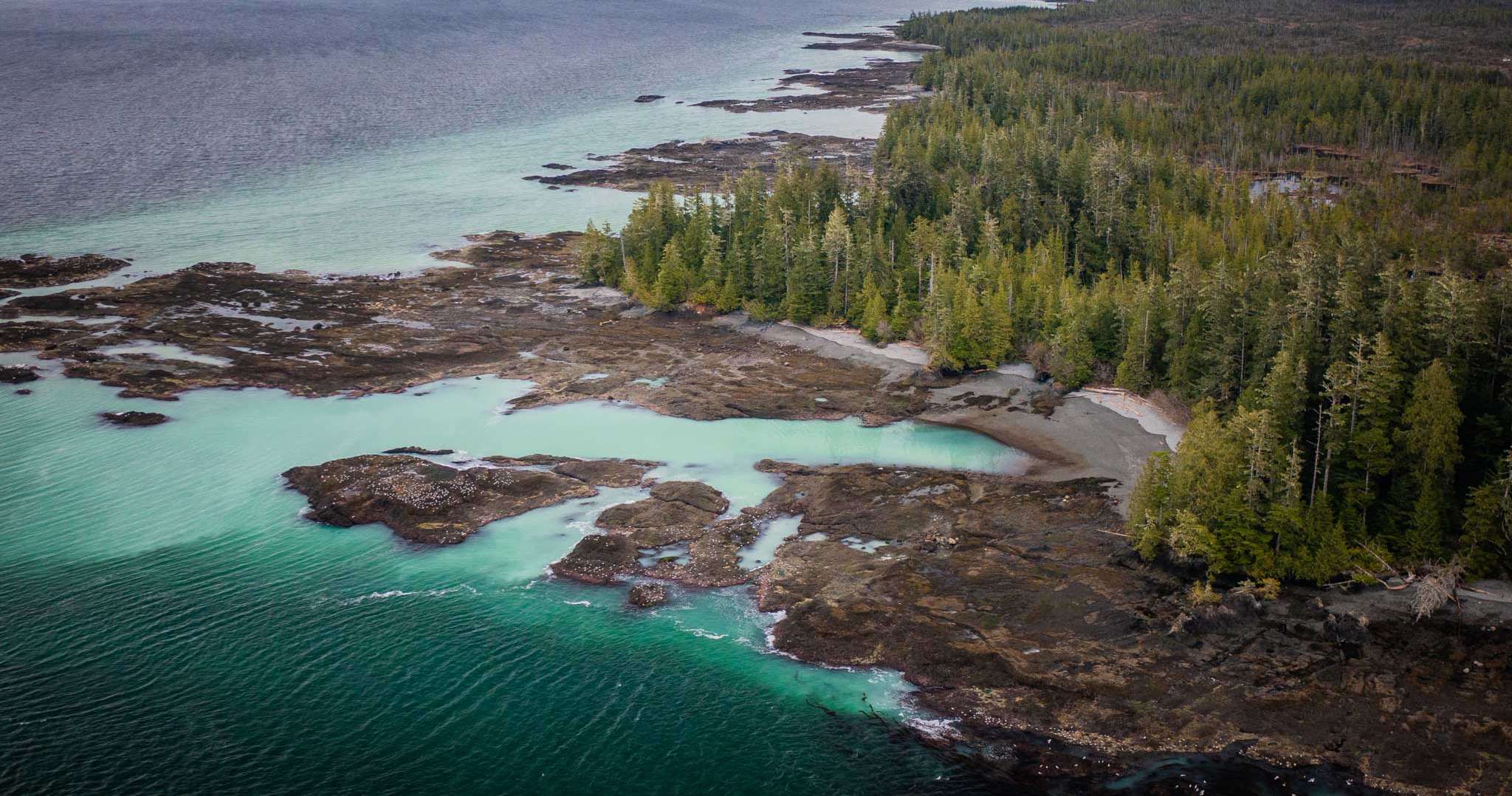
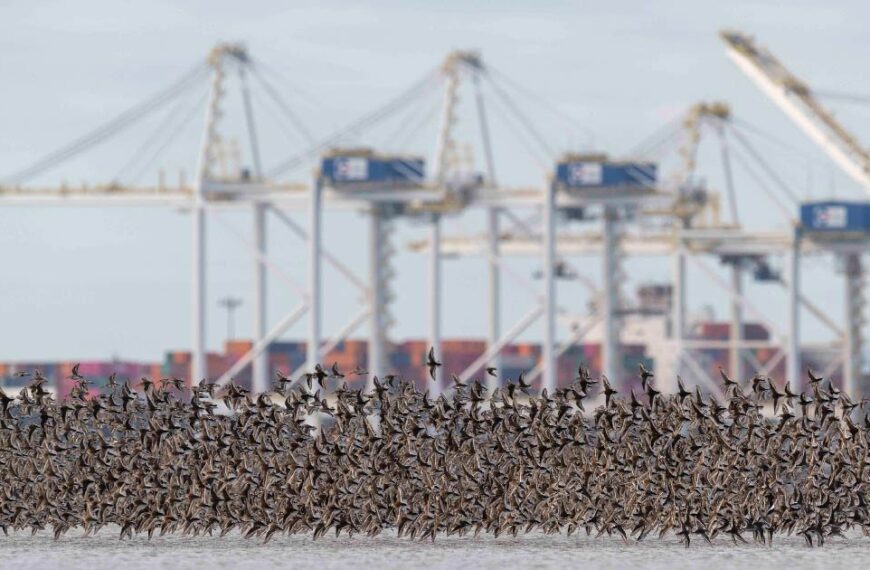
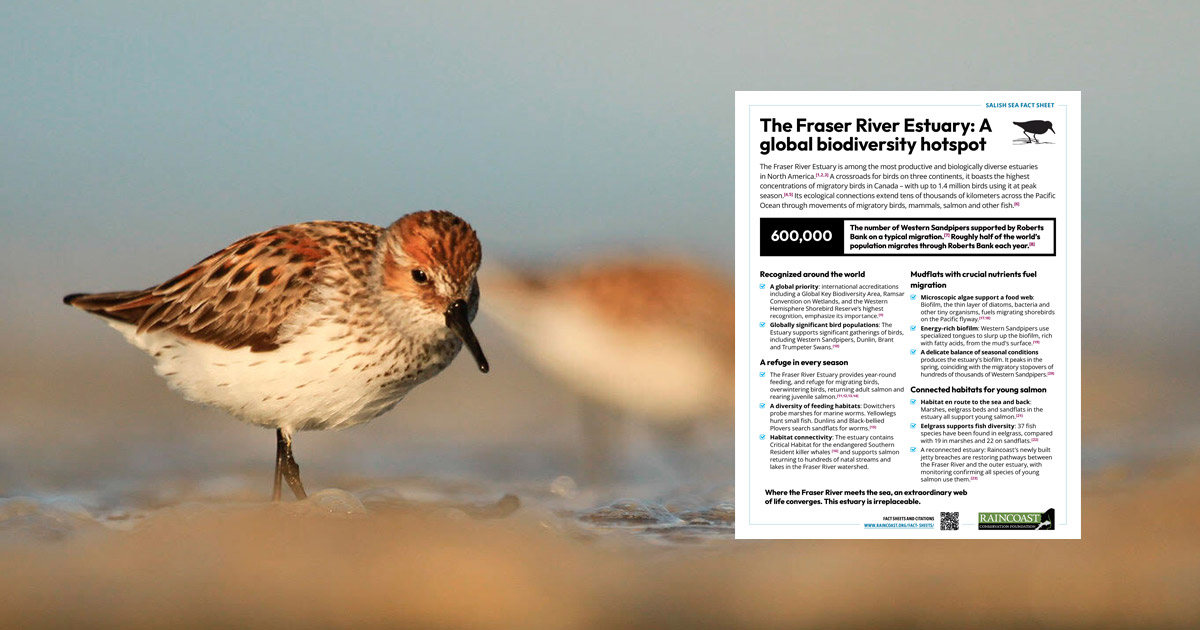
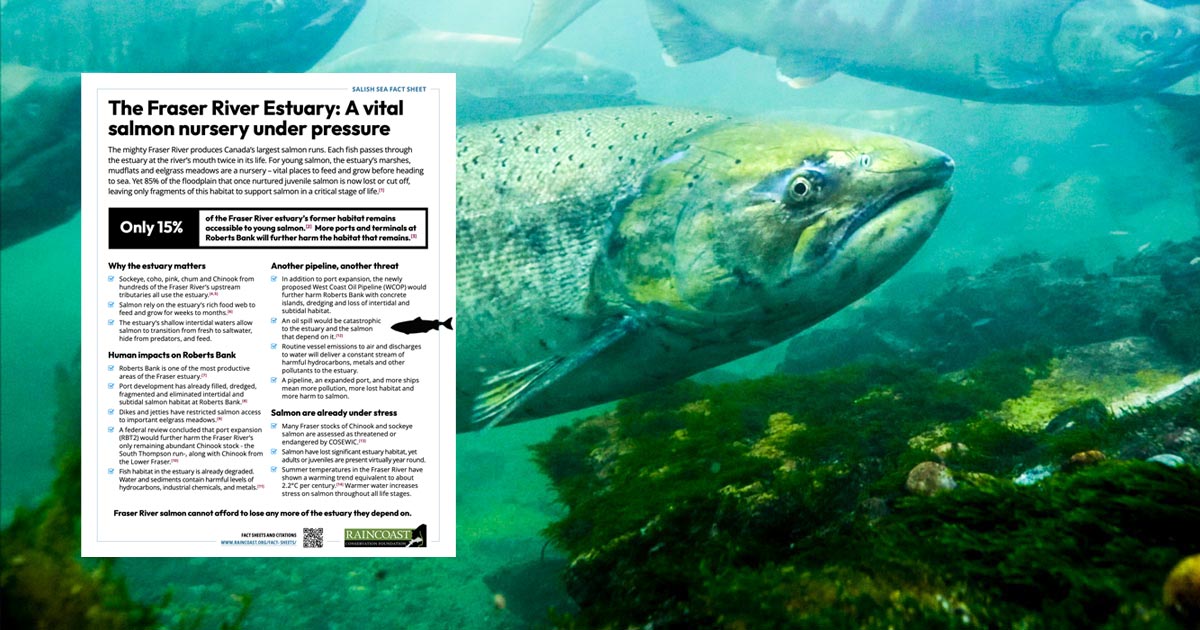
The proposed pipeline would terminate in the Fraser River Estuary bringing very large crude carrier tanker traffic through the Salish Sea. The Fraser River Estuary is one of Canada’s great natural assets. It serves a nursery for everything from migratory birds to our largest runs of Pacific salmon.
The Fraser River Estuary and its surrounding Salish Sea generate extraordinary financial benefit to British Columbia’s south coast. A 2017 Report identified that ecosystems in this region generate billions of dollars in benefits every year while supporting fisheries, tourism, recreation and thousands of livelihoods. Industrial development that degrades and threatens the Fraser River Estuary and the Salish Sea puts this existing economy at risk.
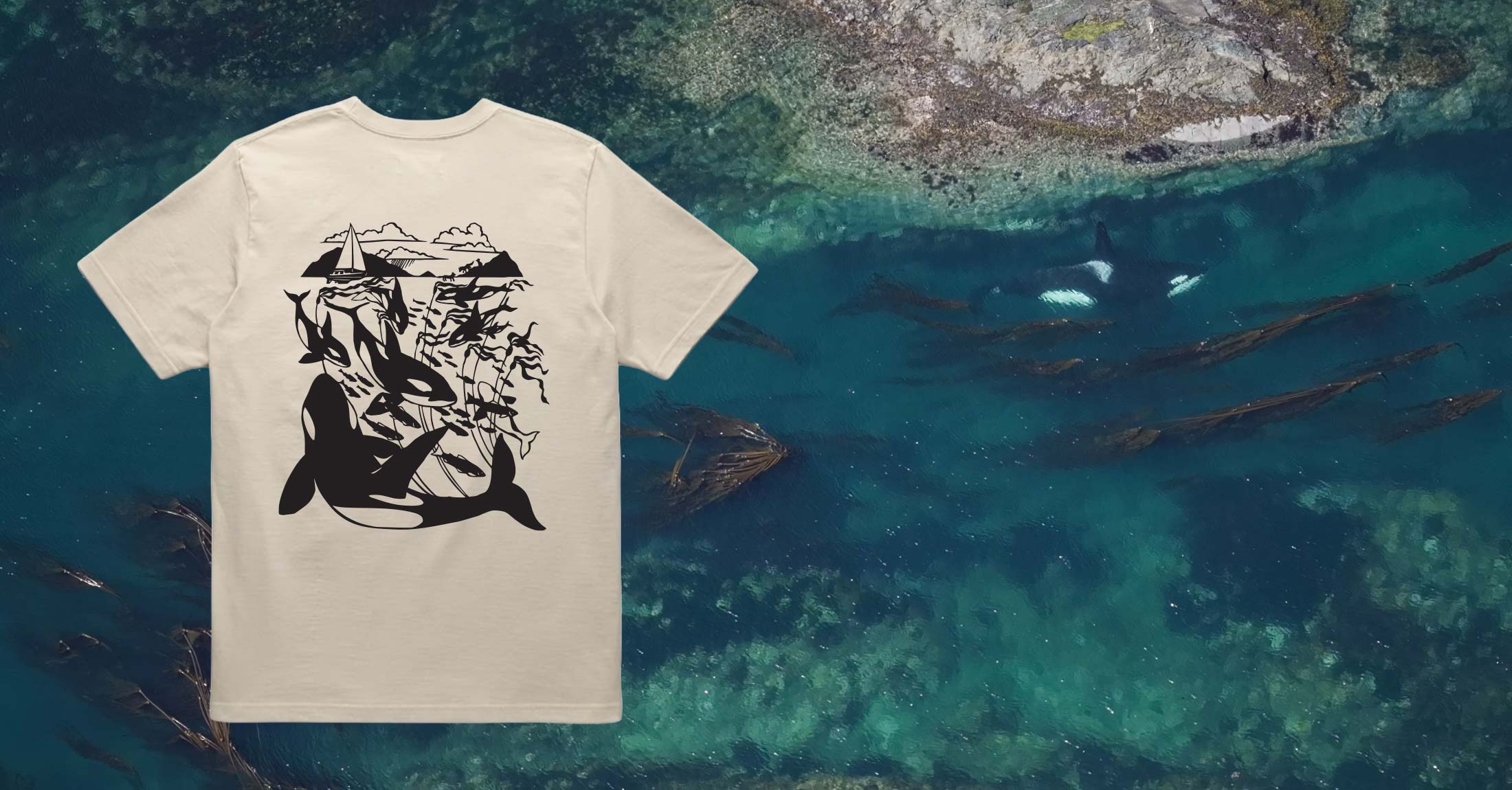
The tanker route is vital habitat for Southern Resident killer whales, a population that most killer whale scientists describe as facing extinction unless their habitat and conditions improve. An independent scientific panel has identified existing and expected shipping traffic, including the Trans Mountain Expansion and Roberts Bank Terminal 2, as increasing noise beyond what current mitigation measures can offset. This pipeline would add a third major source of vessel traffic to the same critical foraging areas, including the mouth of the Fraser River.
This proposal would also route the world’s largest oil tankers through some of the highest marine-traffic-risk waters on the Pacific coast. More vessel traffic increases the likelihood of an accident over time. TMX’s own spill-scenario modelling found that a major spill near Turn Point would have a 95% chance of exposing Resident killer whales if present in Haro Strait – one of their most heavily used habitats in the Salish Sea.
A national interest designation would allow this project’s permits and approvals to be granted regardless of these risks, without the independent review a decision of this magnitude requires. I support strengthening Canada’s economy, but not at the cost of bypassing the environmental review process for a project with this level of documented risk to an already endangered species and an already impacted estuary.
This project should not receive national interest designation. Instead, I believe Canada’s national interest is better served by investing in the recovery of the Fraser River Estuary, its salmon, and the endangered Southern Resident killer whales that depend on them. These are not just ecological icons, they are an economic foundation for coastal livelihoods, businesses, and jobs throughout the Salish Sea.