Extinction is too high a price for a pipeline
The federal government has taken the first step toward fast-tracking a new oil pipeline and tanker terminal in the Fraser River Estuary - bypassing the environmental review that would normally assess its risks, impacts, and merit.
September 18 is the deadline to give public comments on the fast tracking of the west coast pipeline. This is the only time public and scientific input will be read before the decision is made.


What’s happening
On August 1, the federal government published a notice in the Canada Gazette signalling its intent to designate the new Alberta pipeline – officially called the West Coast Oil Pipeline – a “project of national interest” (PONI) under the Building Canada Act.
The pipeline would carry up to one million barrels of crude oil a day from Bruderheim, Alberta, to a new marine terminal at Roberts Bank in the Fraser River Estuary. Here, millions of barrels of oil would be stored before being loaded onto Very Large Crude Carriers (VLCCs), among the world’s largest oil tankers, for export through the Salish Sea. The project is being advanced by a new entity jointly owned by Trans Mountain Corporation (a crown corporation), the Alberta Petroleum Marketing Commission (a crown corporation), and Pembina Pipeline Corporation (a 10% stake).
This new pipeline does not arrive in a vacuum. It lands on a living system that is arguably past the point where further shipping noise and habitat loss can be absorbed without significant consequence for endangered Southern Resident killer whales, Fraser River salmon, and other valued wildlife.
What “national interest” designation means
The 2025 Building Canada Act allows the federal government to fast-track approvals and bypass key stages of the environmental review for projects it designates as being in the “national interest”. The West Coast Oil Pipeline is now being considered for that designation. Under the Act, permits and authorizations can be granted without the review that would normally assess a project’s risks, impacts, and merits. A PONI designation bypasses oversight and scrutiny.
What is at stake?
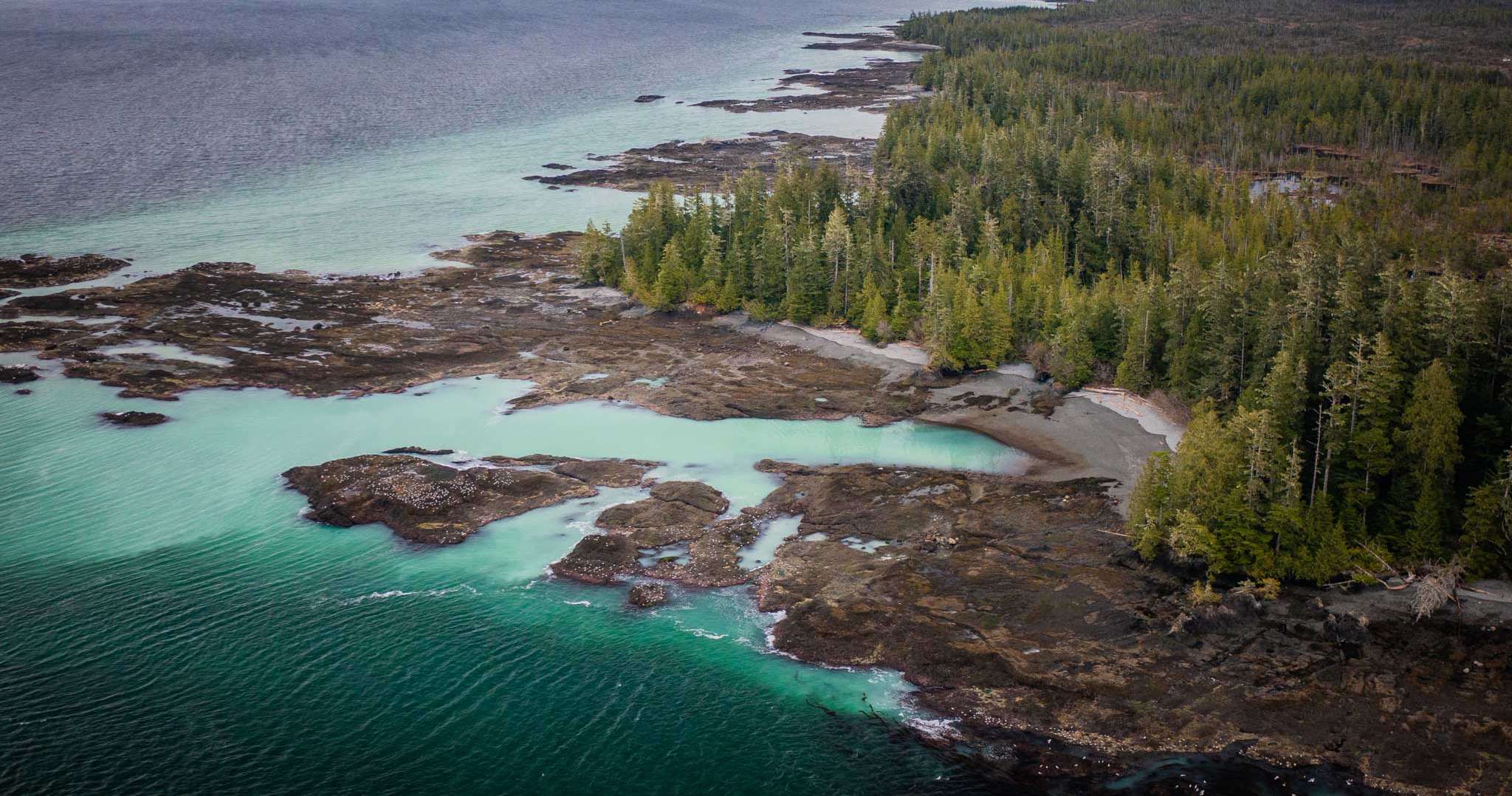
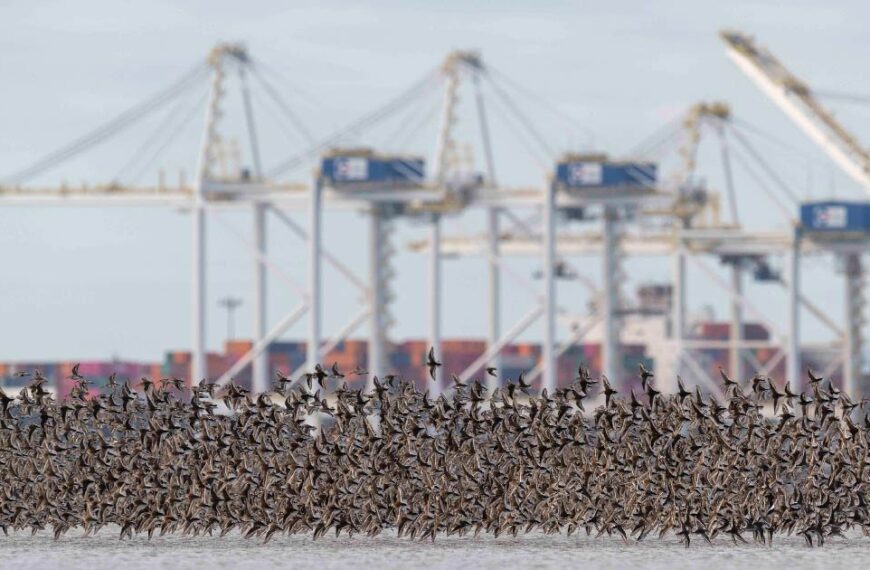
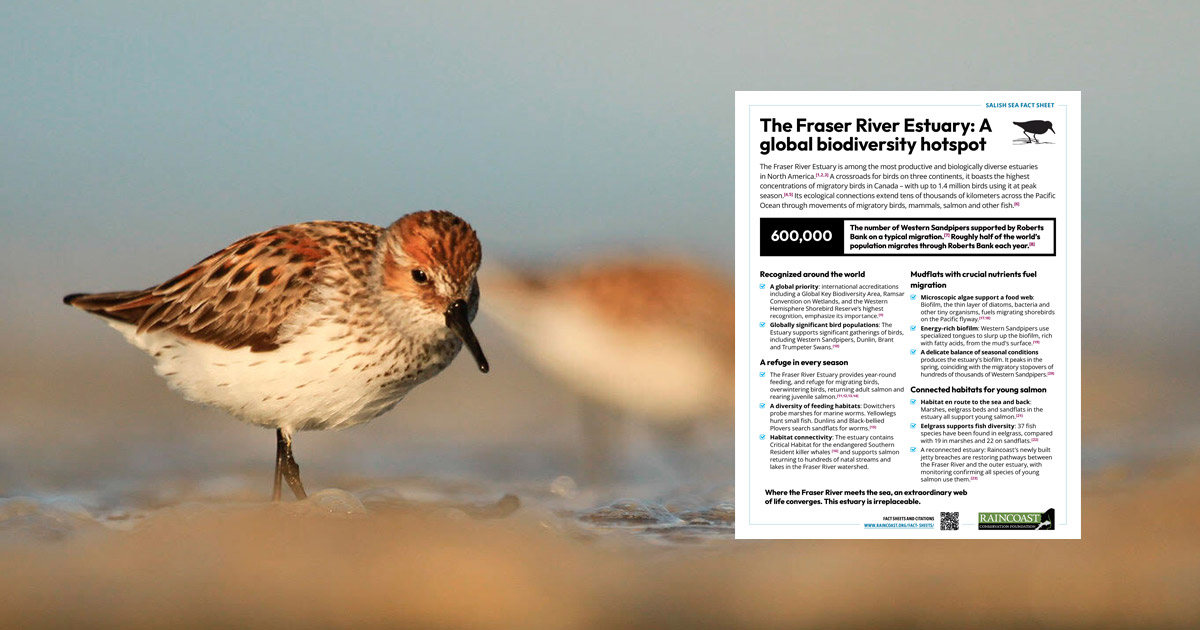
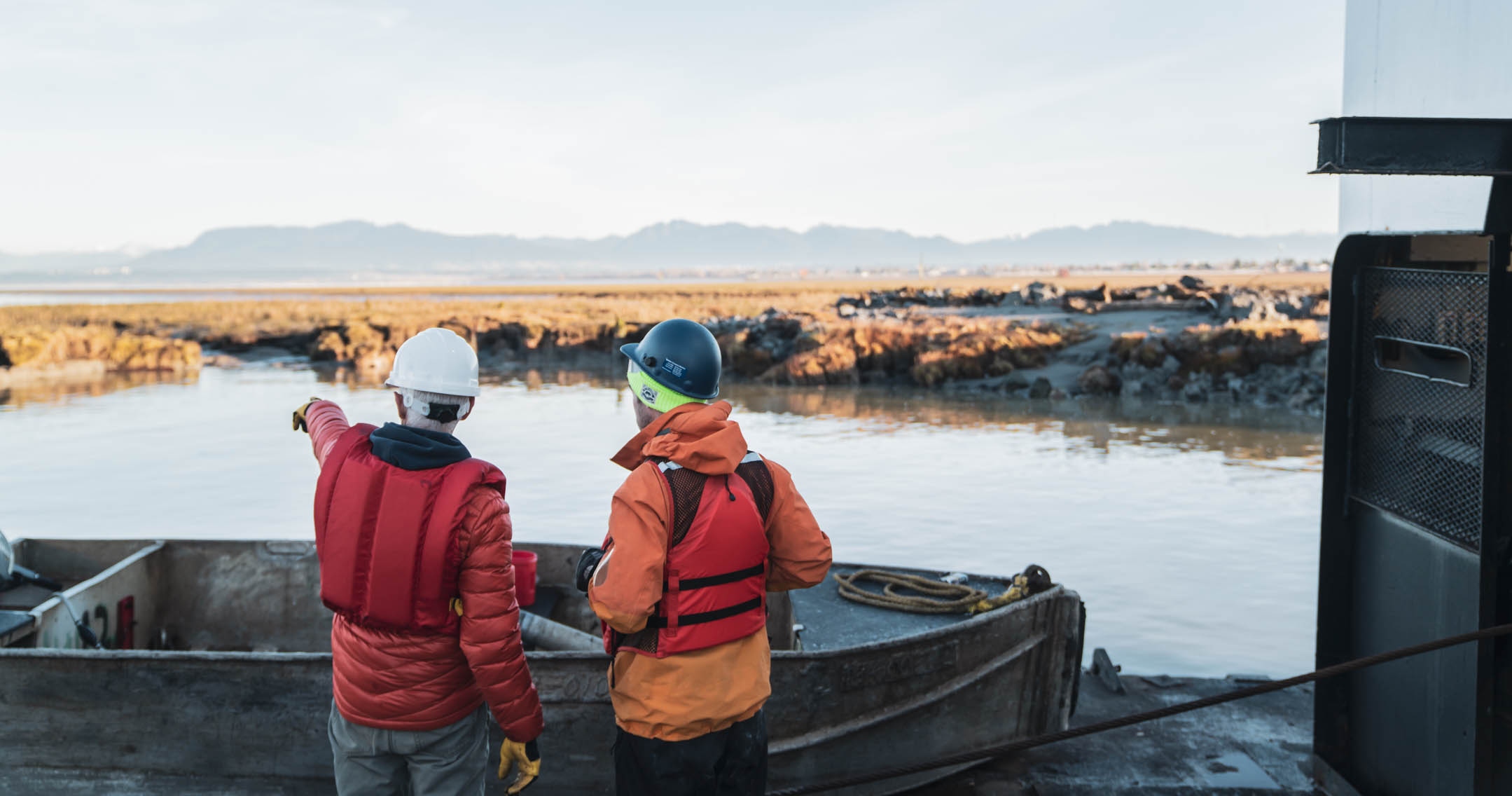
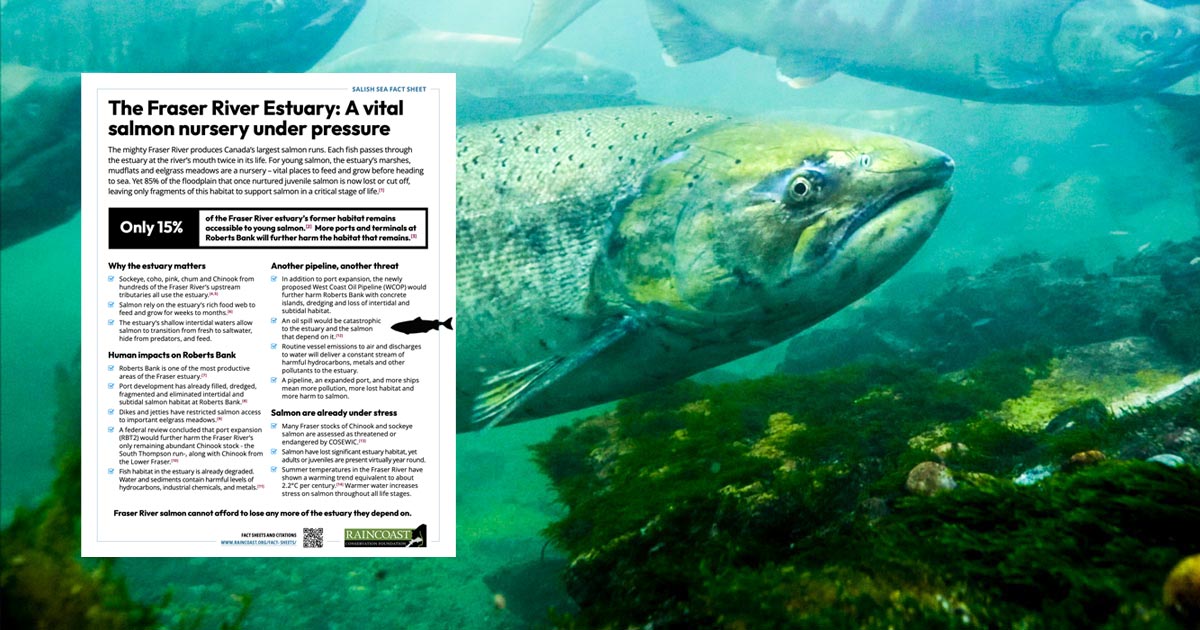
- The Fraser River Estuary is one of Canada’s great natural assets. It is a nursery for our largest salmon runs and connects a food web linking fish, birds, and marine mammals across thousands of kilometres of the North Pacific Ocean.
- This pipeline would be the third major industrial expansion stacking pressure on the Salish Sea. The Trans Mountain Expansion, completed in 2024, increased tanker traffic by up to 7 times. Roberts Bank shipping terminal expansion (RBT2), approved in 2023 despite a federal assessment finding it would likely have significant adverse effects on endangered Southern Resident killer whales and Fraser River Chinook, is also moving towards final permits.
- The tanker route is the foraging grounds of endangered whales. Southern Resident killer whales cannot recover in a noisy polluted ocean. Current measures to quiet vessels by slowing them down are not enough to offset the rising underwater noise from increased shipping traffic. Bringing the world’s largest oil tankers into these waters will compound a threat scientists say is already unmanaged.
- Salmon are already exposed to petroleum hydrocarbons and other pollutants in the Fraser River. Any additional oil – whether from routine operations or a spill – adds to this burden. The river’s shorelines, marshes, tidal flats, and sediments make cleanup extremely difficult, and once oil sinks, no technology can recover it.
- Huge investments to recover salmon and restore the Fraser Estuary have been made by the public and government. Why undermine this progress by compromising the very habitats citizens have worked so hard to restore?
- A national interest designation does not mean these risks were reviewed and found acceptable; it means they were never formally assessed at all.
The decisions made in the coming weeks will shape the future of the Fraser River Estuary and the Salish Sea. Wildlife like Southern Resident killer whales and threatened salmon populations have not recovered. This pipeline would add another risk to pressures that are already unmanaged. The public comment period, open until September 18, is the only opportunity for this decision to be informed by public and scientific input before it is made.