Empowering youth in environmental action
Raincoast and Take a Stand: Youth for Conservation launch another edition of the Student Innovation Challenge to empower youth voices and actions.


Raincoast and Take a Stand: Youth for Conservation launch another edition of the Student Innovation Challenge to empower youth voices and actions.

How many colleagues do you know purely by their email sign-off, or a small thumbnail in a zoom meeting? It’s time we changed that.

Extended periods of time at sea are necessary to collect the data that will bring us closer to understanding – and protecting – killer whales.

How little gifts from the community strengthen our programs.
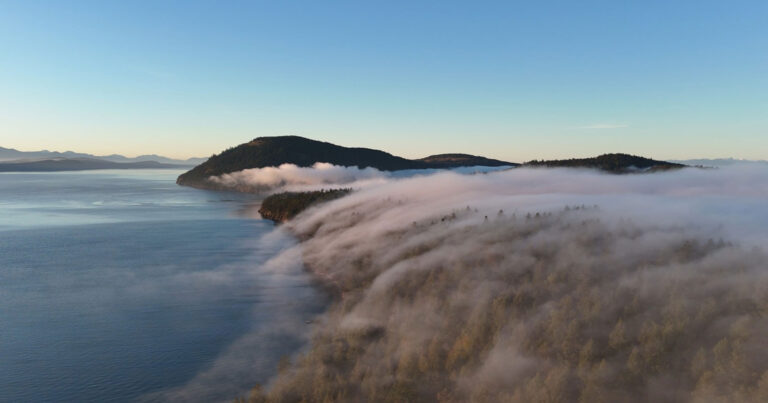
Though smaller and more developed than some of its counterparts in the archipelago of islands in the Salish Sea, in this article, Rob Underhill explains why SḴŦAḴ (Mayne Island) is a place worth protecting.

Investigating how forests and wildlife work together.

Do you want to know more about forest ecosystems, but you’re not sure where to start? This worksheet will help guide you through making observations in the forest.

The salmon populations in the Nicola watershed are among the most endangered in BC. The Coldwater River provides critical spawning and rearing habitat for Interior Fraser Coho, Lower Thompson Chinook, and Interior Fraser Steelhead.

Overnight hydrophone recordings capture killer whales navigating through a noisy ocean.

An increasingly noisy ocean is threatening the survival of this iconic BC species – field biologists and computer scientists are joining forces to defend their voice.


Take action and support the 1,000m minimum approach distance.