Study: Toxic hydrocarbon hotspots in BC coastal sediments, threatening Southern Resident killer whales and Chinook salmon
Burgeoning marine traffic to bring more toxic hydrocarbons to killer whale habitats.

What's new // Southern Resident killer whales
If Southern Resident killer whales are to persist in the Salish Sea decisive steps producing substantive reductions in threats must be taken. Southern Resident killer whales are critically endangered. Their salmon food supply is in decline and their waters are noisy and polluted. This declining population of 73 animals (July 2022) has very low birth rates and premature deaths of adult whales. The birth of recent calves offers hope, but threats that impede their successful feeding and access to Chinook must be addressed for calves to survive and population recovery to occur. Learn more.
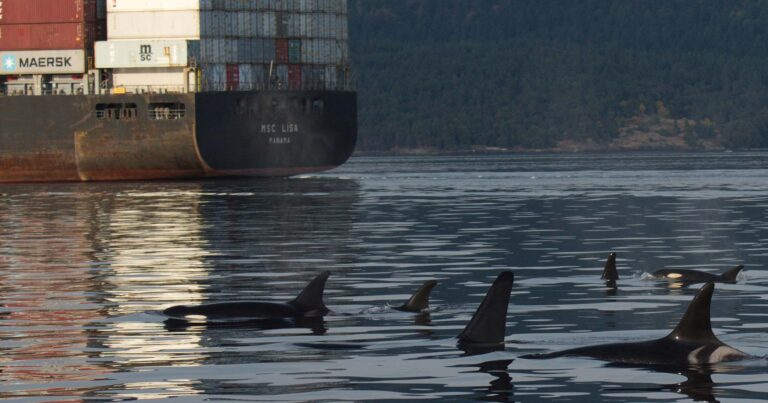
Burgeoning marine traffic to bring more toxic hydrocarbons to killer whale habitats.

Sit down with our Cetacean Conservation Research Program Director, Dr. Valeria Vergara, to answer this question.

Three years observing whales in a vessel-free zone.

New findings from Boundary Pass show the underwater soundscape is degrading, and current protections are not keeping pace.

Overnight hydrophone recordings capture killer whales navigating through a noisy ocean.

Raincoast brought together 31 international scientists to create a roadmap that answers this daunting question.
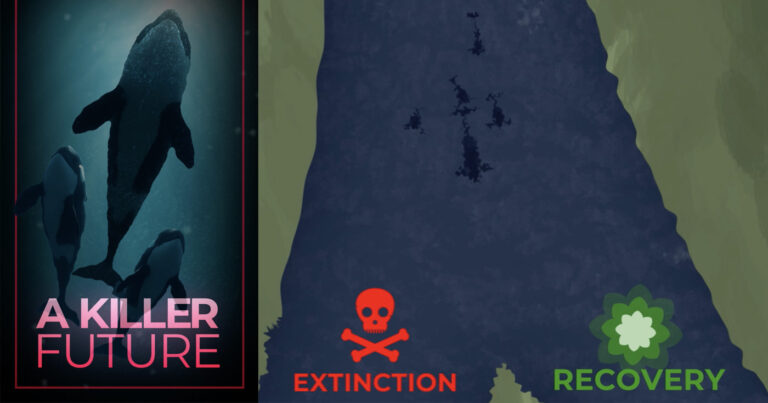
By restoring Chinook salmon, reducing underwater noise, and stopping pollution there is still time to protect these iconic animals for generations to come.
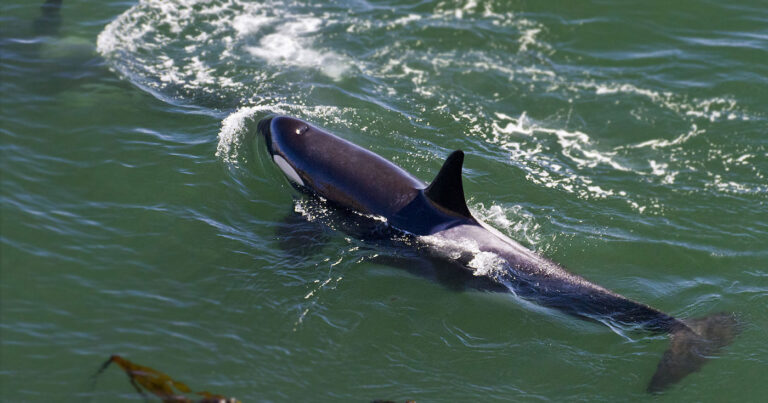
Three no-cost steps would advance the recovery of Southern Resident killer whales and show that environmental protection and fiscal restraint can go hand-in-hand.

The films and panel at the Vic Theatre in mid October were inspiring and insightful.
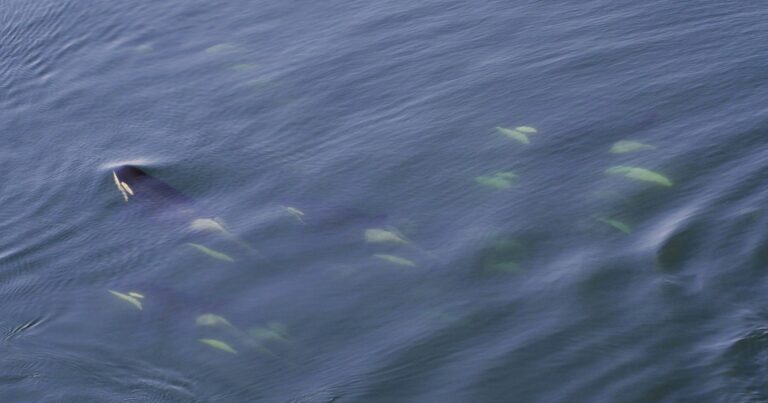
A ‘’whale safe” window can help this endangered population.

Amidst enduring perceived conflict between anglers and killer whale advocates, a new peer-reviewed study offers hope for moving beyond polarization.
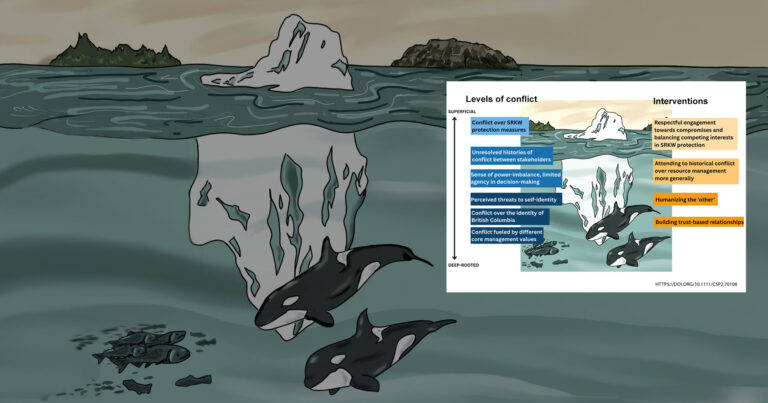
Although differences in some beliefs and management priorities were stark, the research revealed that many individuals held both angler and conservationist identities, and shared similar beliefs regarding the importance of SRKWs and Chinook salmon.