How Canada can protect B.C.’s iconic killer whales without busting the budget
Three no-cost steps would advance the recovery of Southern Resident killer whales and show that environmental protection and fiscal restraint can go hand-in-hand.
Before tabling the recent federal budget, Prime Minister Carney noted that “we will have to do less of some of the things we want to do.”
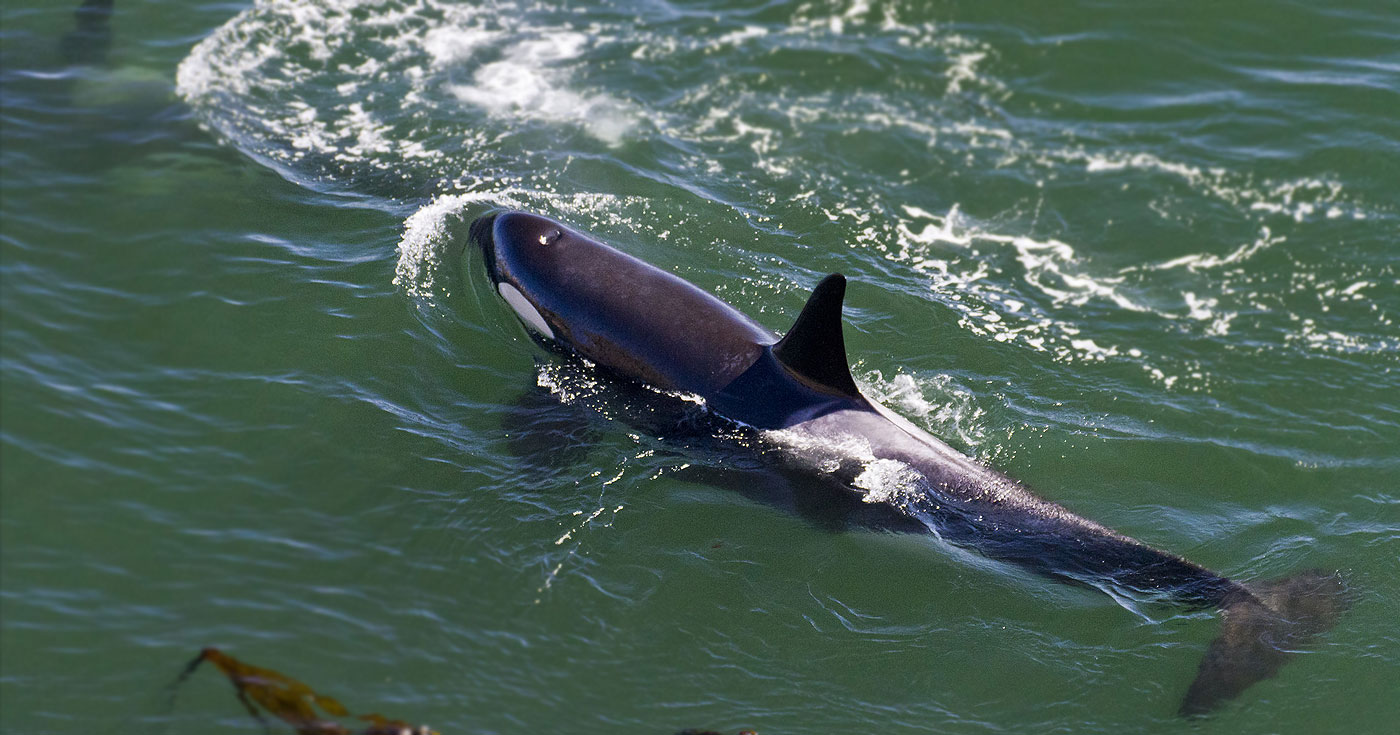
When it comes to the endangered Southern Resident killer whales, doing less will lead to their extinction. Federal investment is vital to the long-term recovery of this population, but not every solution carries a price tag for Ottawa. The federal government can implement effective, practical, science-backed measures now that cost little or nothing.
At present, and despite recent efforts to improve conditions in their habitat, the population isn’t showing signs of recovery. The familiar threats of Chinook salmon shortages, vessel noise, and contaminants persist, while new risks have emerged, including discharges from exhaust scrubbers on ships burning heavy fuel oils.
Ottawa still has an opportunity to act decisively – and frugally – to prevent a further decline.
Here’s how.
1. Enact and enforce a 1,000-metre minimum approach distance for boats
The government has already floated the idea of harmonizing with Washington state and increasing the minimum approach distance from 400 metres to 1,000 metres, but hasn’t followed through.
Science is clear: even distant boats can mask the calls whales use to find and share prey. A 1,000-metre buffer would create vital acoustic space.
Existing government patrols, land-based sighting networks and programs like Straitwatch could ensure compliance at little or no extra cost.
A clear, well-communicated, 1,000 metre rule would send a strong signal that the government is serious about saving the Southern Residents.
2. Create a ‘whale-safe window’ by closing recreational salmon fisheries in the whales’ critical habitat in spring
The early foraging season is critical: Whales are lean and hungry after winter and need the large, nutritious Chinook that return at this time of year. Yet sport fisheries compete with the whales for the same fish, and fishing vessel noise reduces their foraging success.
Closing recreational Chinook fishing in their critical habitat from spring to midsummer would ensure that more salmon are accessible to the whales.
These fisheries closures would cost Ottawa nothing, and could reopen later in the season. Being temporary and geographically limited, the measure’s economic impact on sport fisheries would be modest compared with the immense ecological and cultural cost of extinction.
3. Ban the use of heavy fuel oils in the shipping sector
The use of heavy fuel oils to power most ocean-going ships pose two distinct threats to killer whales: the potential for catastrophic spills (for example, the MV Marathassa incident in 2015 in Vancouver), and the steady release of toxic contaminants including metals, acids, and hydrocarbons directly into the ocean from onboard exhaust cleaning systems (scrubbers).
The federal government has already banned heavy fuel oil use in the Arctic, recognizing the unacceptable risk it poses to sensitive ecosystems. Banning heavy fuel oils in B.C. would cost Ottawa nothing, render exhaust scrubbers unnecessary and prevent toxic washwater from directly entering the whales’ habitat.
The federal government has acknowledged that the Southern Resident killer whales are at imminent risk of extinction. Each of these three steps would advance the recovery of this population and demonstrate that Canada takes the Species at Risk Act seriously. All align with existing science, conservation plans and international commitments. Together, they would create a cleaner, quieter environment with more abundant and accessible prey – conditions essential for the whales’ survival and recovery.
Implementing these no-cost measures, along with other practical steps outlined in a recent Independent Science Panel report, would show that environmental protection and fiscal restraint can go hand-in-hand.
It’s been 20 years since Southern Residents were first listed as endangered under the Species at Risk Act. Canada can’t continue to rely on voluntary measures and prolonged “further studies.” The recent death of the southern resident calf J64 is a sad reminder that the whales can’t wait.
Ottawa should act now – decisively, efficiently and without the need to adjust its budget priorities.
A version of this article was first published in The Vancouver Sun on Nov 20, 2025.