A wolf’s connection to salmon
In the rich coastal forests of British Columbia, gray wolves are not just land-based hunters – they become salmon specialists each fall when these fish return to spawn.


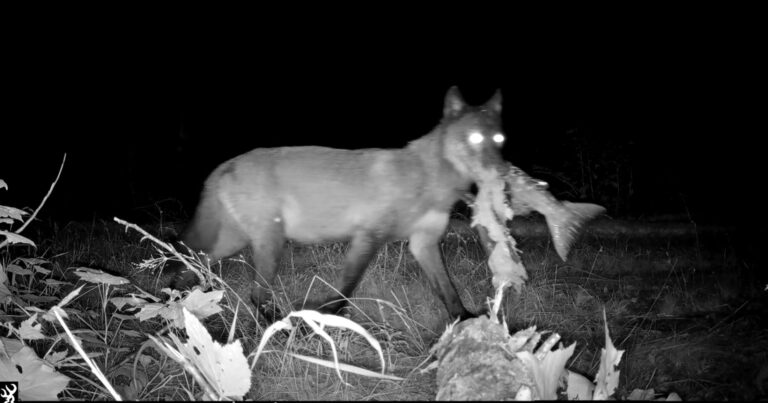
In the rich coastal forests of British Columbia, gray wolves are not just land-based hunters – they become salmon specialists each fall when these fish return to spawn.

Protect wolves, protect entire ecosystems.

Protecting wolves protects the ecological processes that sustain life across entire landscapes.

Raincoast’s submission draws on expertise in large carnivore ecology, animal welfare, and ecosystem dynamics.

Understanding the ecotype of recovering wolves is critical for conservation, as distinct ecotypes carry adaptations that influence habitat use, diet, and ecological function.

Understanding the ecotype of recovering wolf populations is important for conservation and management.

What does a wolf’s development look like?

Events and presentations to get you thinking about wildlife and coexistence.

Range size varies widely depending on factors like prey density, pack size, and terrain.

What does a wolf eat over the course of a year? How can we find out? Through scat analysis! As we head into 2026, we wanted to share some results from our scat analysis work documenting what recovering wolf populations eat throughout the seasons. While it’s well known that wolves have a strong appetite for…
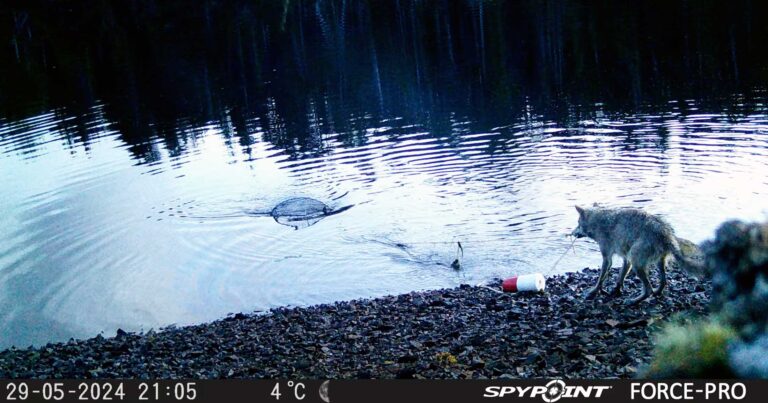
New evidence of complex problem-solving in wolves expands our understanding of their intelligence and underscores the need for ethical, evidence-based conservation.
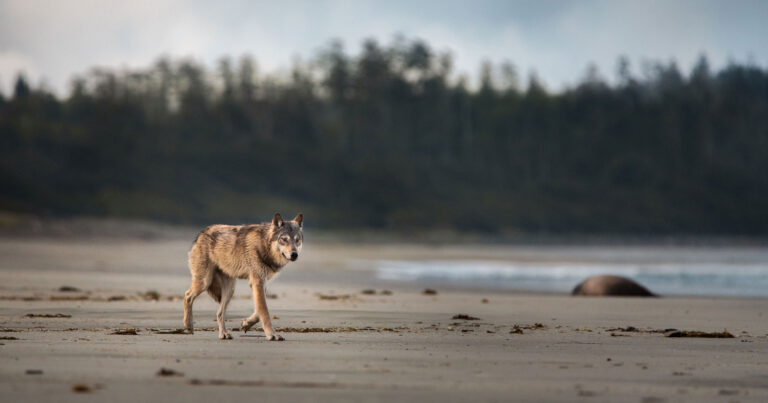
Protecting wolves is about more than one species – it’s about protecting ecosystems.