Embracing your inner wolf and field researcher
Events and presentations to get you thinking about wildlife and coexistence.
Recently, our Wolf Conservation Program had the pleasure of delivering two back-to-back presentations at the Lynn Canyon Ecology Centre, and it turned into one of those days that perfectly captures why we do this work.
We ran two separate sessions: one for families and one for teens and adults. While the structure of both talks was similar, the energy in the room shifted in the best possible ways.
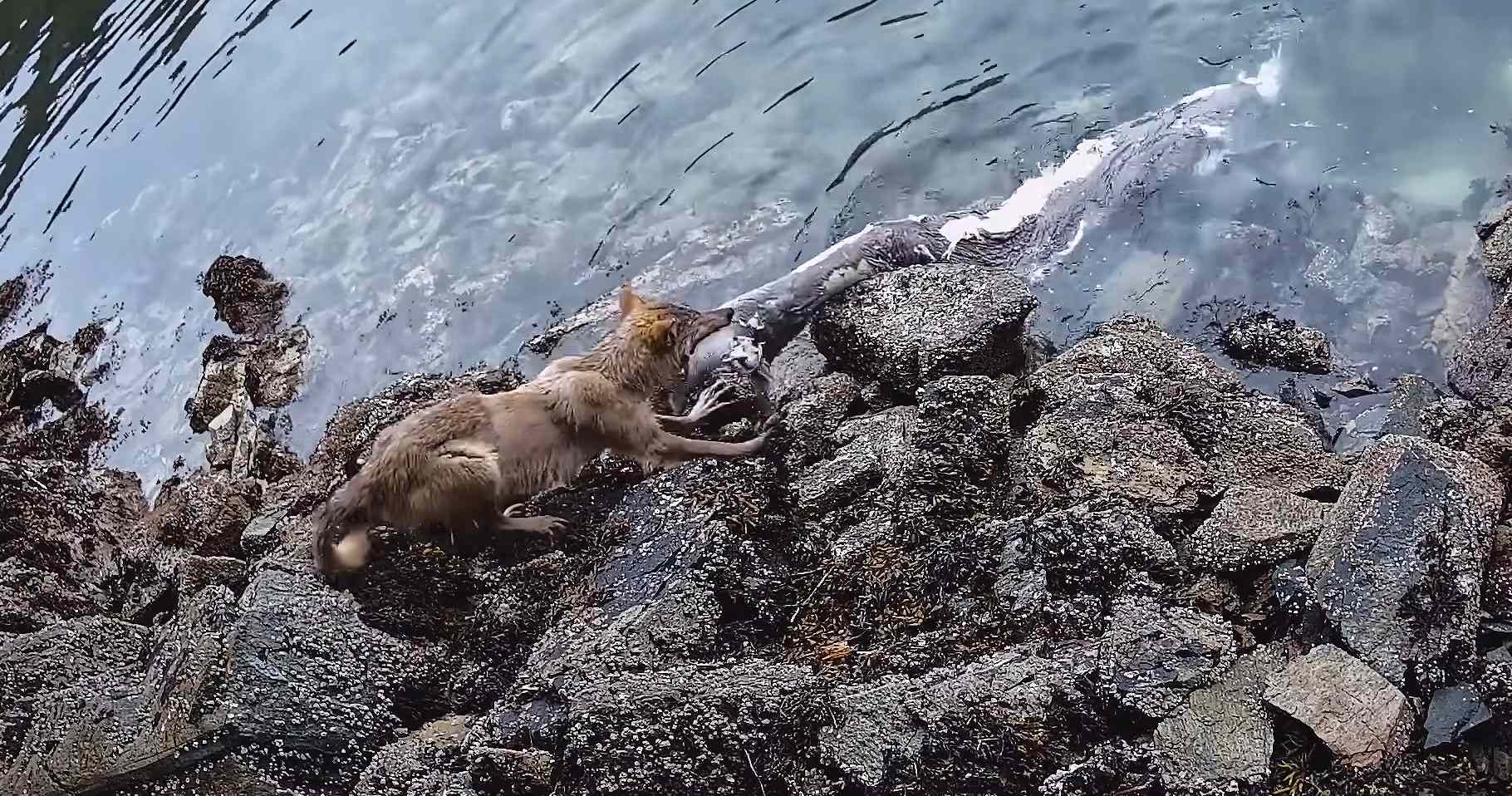
For the family session, we focused on wolf biology and ecology, discussing how wolves live, communicate, hunt, and raise their pups. We touched on conservation in an accessible way, and then dove into the nitty-gritty: how we actually study wolves. Demonstrating how we work with wildlife cameras, scat analysis, and acoustic monitoring, we broke down complex research methods into something the audience could clearly see and relate to.

The adult and teen session followed the same arc, but we were able to dive deeper. This is where we spent more time discussing conservation challenges for wolves in BC, including sources of mortality, the history of persecution, and current management practices for wolves. We also explored our research and analytical methods in greater detail – from non-invasive genetic sampling to analyzing the effects of different camera models on wolf behaviour. The questions in both sessions were thoughtful and engaged, and it was clear that people were genuinely curious about the life of a wolf and how we integrate ethics into our research methods.

After each presentation, we played a “Guess Who?” game using real recordings from our wildlife cameras and acoustic recorders. Participants tried to identify species based on sound alone – sometimes confident in their guesses, and sometimes shocked, particularly when hearing that certain cougar calls can sound like a hawk. This game reminds us how much is happening in the forest that we don’t see, and just how complex these animals are.
Then we headed outside!
Armed with a printed wolf track and a comparison sheet showing wolf, dog, and coyote tracks, we talked through how to identify wolf tracks by looking at details such as size and the negative space between toe and heel pads.


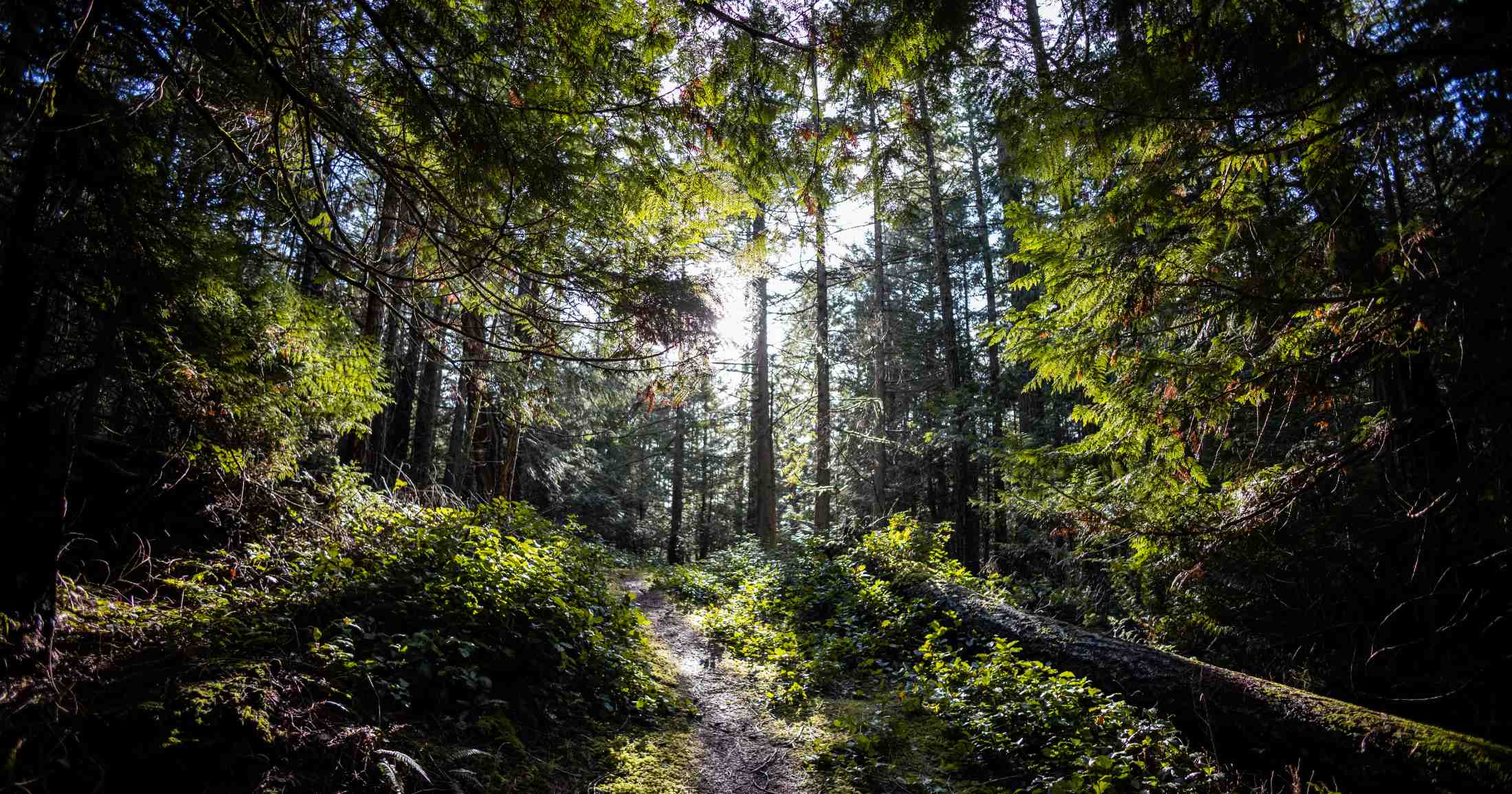
We also walked through the basics of setting up a wildlife camera: how to identify a good wildlife trail, the ideal mounting height, which cardinal direction to face the camera to avoid direct sunlight, what settings to use based on your research question, and how to do a test-run to make sure you have the right angle.


Days like this remind us that research isn’t just about data – it’s about connection. Connection to the landscape, to wildlife, and to each other. We’re grateful to everyone who joined us and brought such curiosity and enthusiasm to the conversation.

We’re looking forward to the next event at the Lynn Canyon Ecology Centre, where the coordinator of Raincoast’s Forest Conservation Program, Priya Puri, will dive into the world of plants and animals in the temperate rainforest, the importance of forest conservation, and what it’s like to be a field researcher. This event will take place on March 16th from 10:30-11:30 AM.
Stay up to date about events like these by visiting our events calendar!