Through the lens: Celebrating the coastal grey wolf and Canada Post’s wolf stamp
Photographer Michelle Valberg shares the story behind the image.


What's new // Wolf Conservation Program
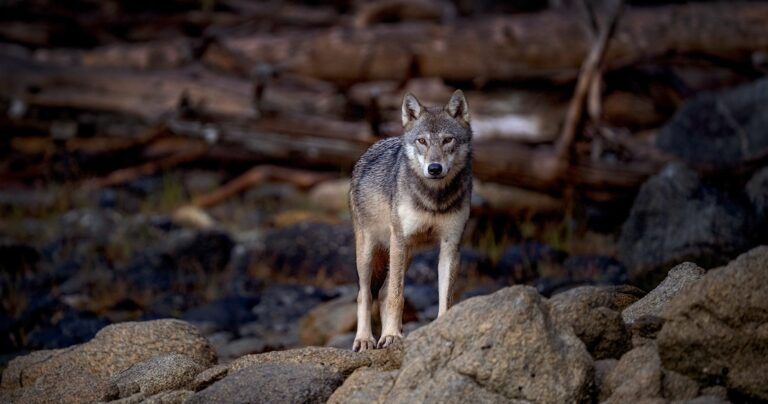
Photographer Michelle Valberg shares the story behind the image.
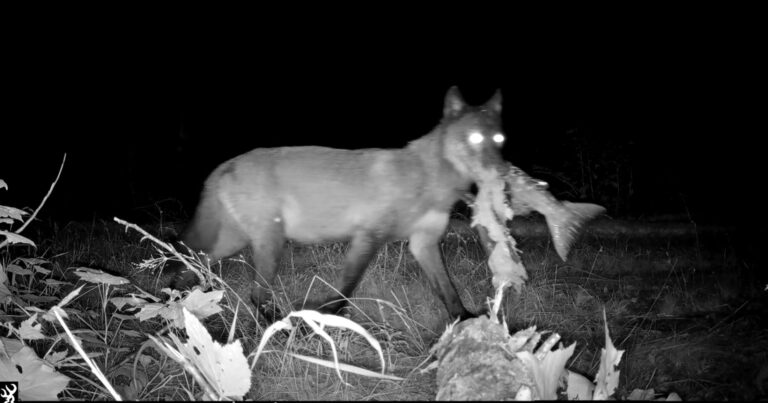
In the rich coastal forests of British Columbia, gray wolves are not just land-based hunters – they become salmon specialists each fall when these fish return to spawn.

Stunning wolf stamps will inspire Canadians to love wolves as much as we do.

Protect wolves, protect entire ecosystems.

Protecting wolves protects the ecological processes that sustain life across entire landscapes.

Help us tell the government to stop scapegoating wolves and start protecting caribou habitat.

Raincoast’s submission draws on expertise in large carnivore ecology, animal welfare, and ecosystem dynamics.

Killing wolves to protect caribou may accelerate ecological decline and ultimately diminish long-term caribou survival prospects.

Understanding the ecotype of recovering wolves is critical for conservation, as distinct ecotypes carry adaptations that influence habitat use, diet, and ecological function.

Understanding the ecotype of recovering wolf populations is important for conservation and management.

Whether in a village or a wolf pack, caring for the next generation is a shared responsibility.

What does a wolf’s development look like?