
Protection and conservation of gray wolves
Using minimally invasive methods to assess wolf behaviour and ecology, improve welfare through informed conservation policies, and identify key habitats for conservation.
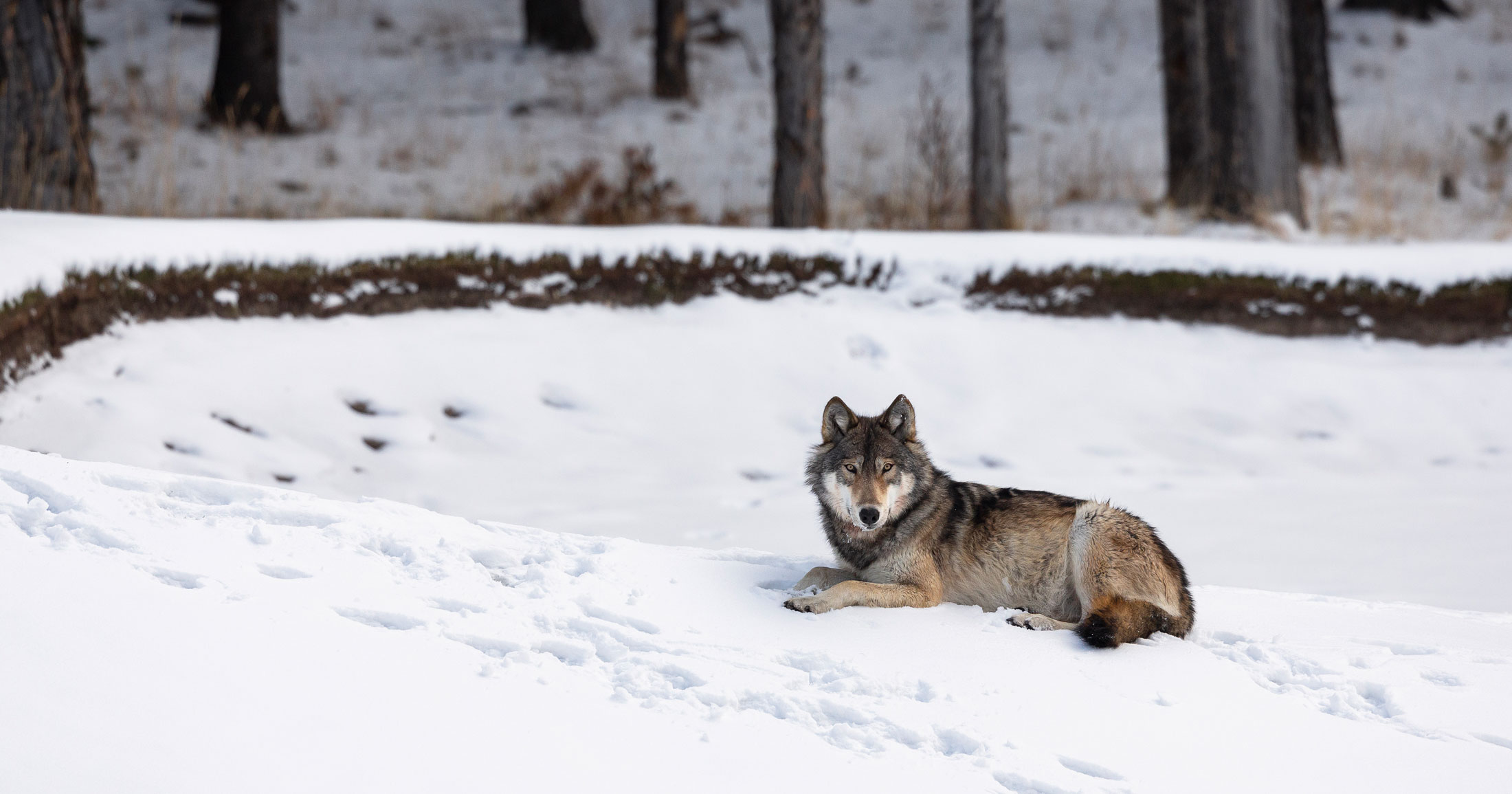
In collaboration with our First Nations partners, the Wolf Conservation Program continues to expand research and monitoring of wolves on the south coast of BC. Our monitoring efforts, once centred on a tributary watershed of the Fraser River, are now expanding. 2026 marks an exciting step forward as we prepare to begin data collection in a second watershed within the Lower Mainland, broadening our understanding of wolves and the ecosystems they help sustain.
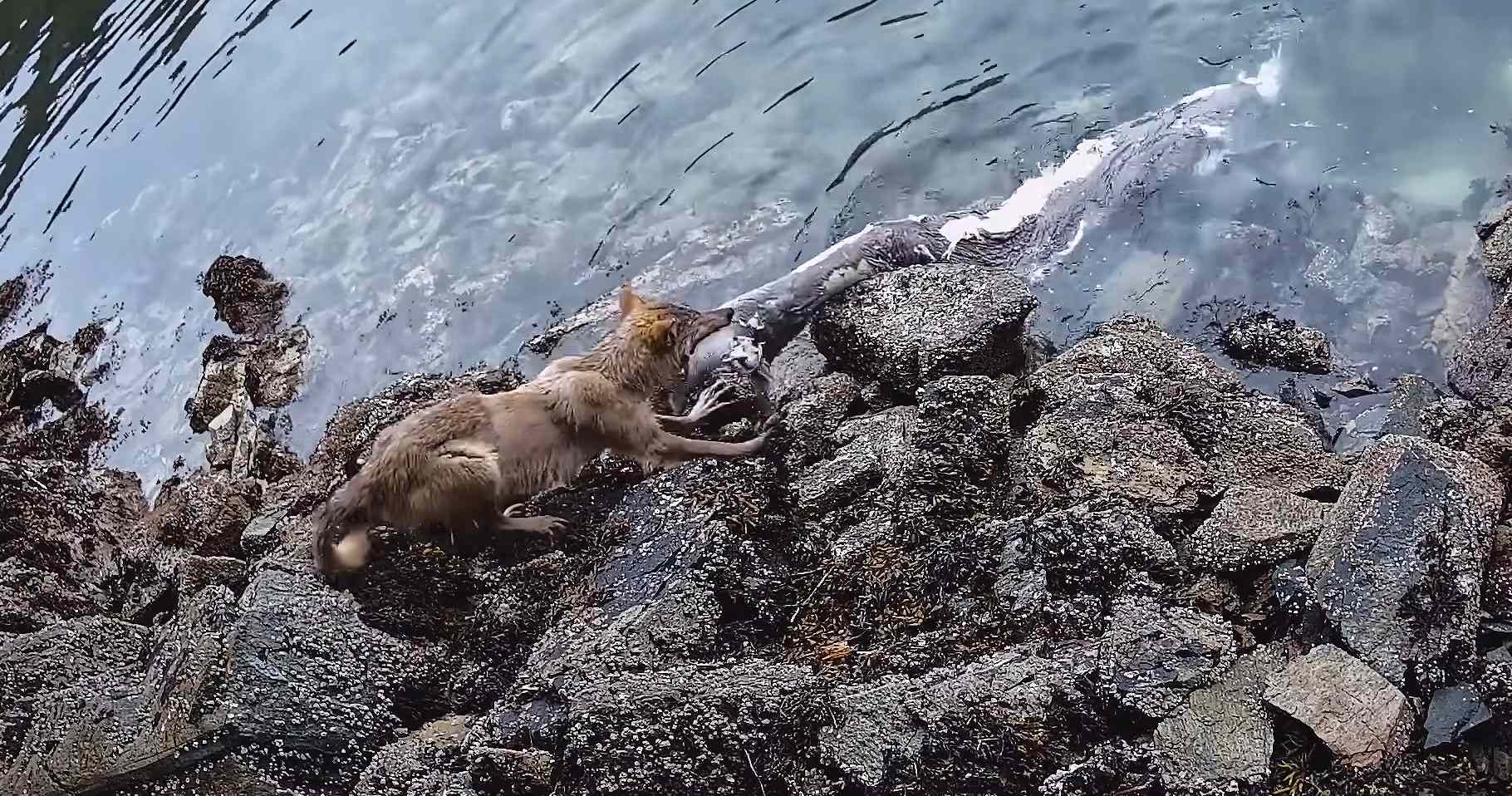
Using minimally invasive methods – including camera traps, acoustic recorders, and scat analysis – we are documenting wolf presence, behaviour, pack composition, pup survival, habitat use, and diet. By combining these data, our research can assess individual health and stress factors, improve welfare through informed conservation policies, and identify key habitats for protection. In addition, heading into 2026, we expect preliminary results from our in-house genetic analyses of fecal samples to confirm whether these wolves originate from the coastal rainforest, or Northern Rocky Mountain ecotypes, or are a mix of the two ecotypes, with implications for tailored conservation strategies.
Expanding our research is critical, not only for gaining a more complete understanding of wolf populations and recovering pack dynamics across the south coast, but also for informing ecologically-based management in BC. By building a more comprehensive picture of wolf activity across multiple watersheds, we can provide evidence-based recommendations for habitat protection and long-term coexistence strategies, contributing not only to wolf conservation but to the resilience of ecosystems that support countless ecologically and culturally important species across the province.
Beyond field research, we continue to confront the ongoing persecution of wolves and advocate for wildlife management reform in BC. The province estimates more than 1,000 wolves are killed annually from recreational hunting and trapping alone. Moreover, despite public opposition and scientific evidence challenging its effectiveness, the killing of wolves as a government-sanctioned management tool continues, with hundreds of individuals “culled” each year through methods such as aerial gunning from helicopters. Framed as protection for endangered caribou, livestock, and even recreational hunting interests, these lethal approaches divert attention from the true drivers of species decline and wildlife conflict: habitat loss, industrial development, and poor coexistence strategies. Lethal control typically undermines ecological science, disregards animal welfare, and destabilizes wolf pack dynamics, perpetuating cycles of conflict rather than resolving them.
Looking towards 2026, we will continue to call for an end to the gratuitous killing of wolves in BC and beyond, while encouraging wildlife management policies grounded in long-term habitat protection and restoration, holistic ecosystem approaches, and non-lethal coexistence strategies.

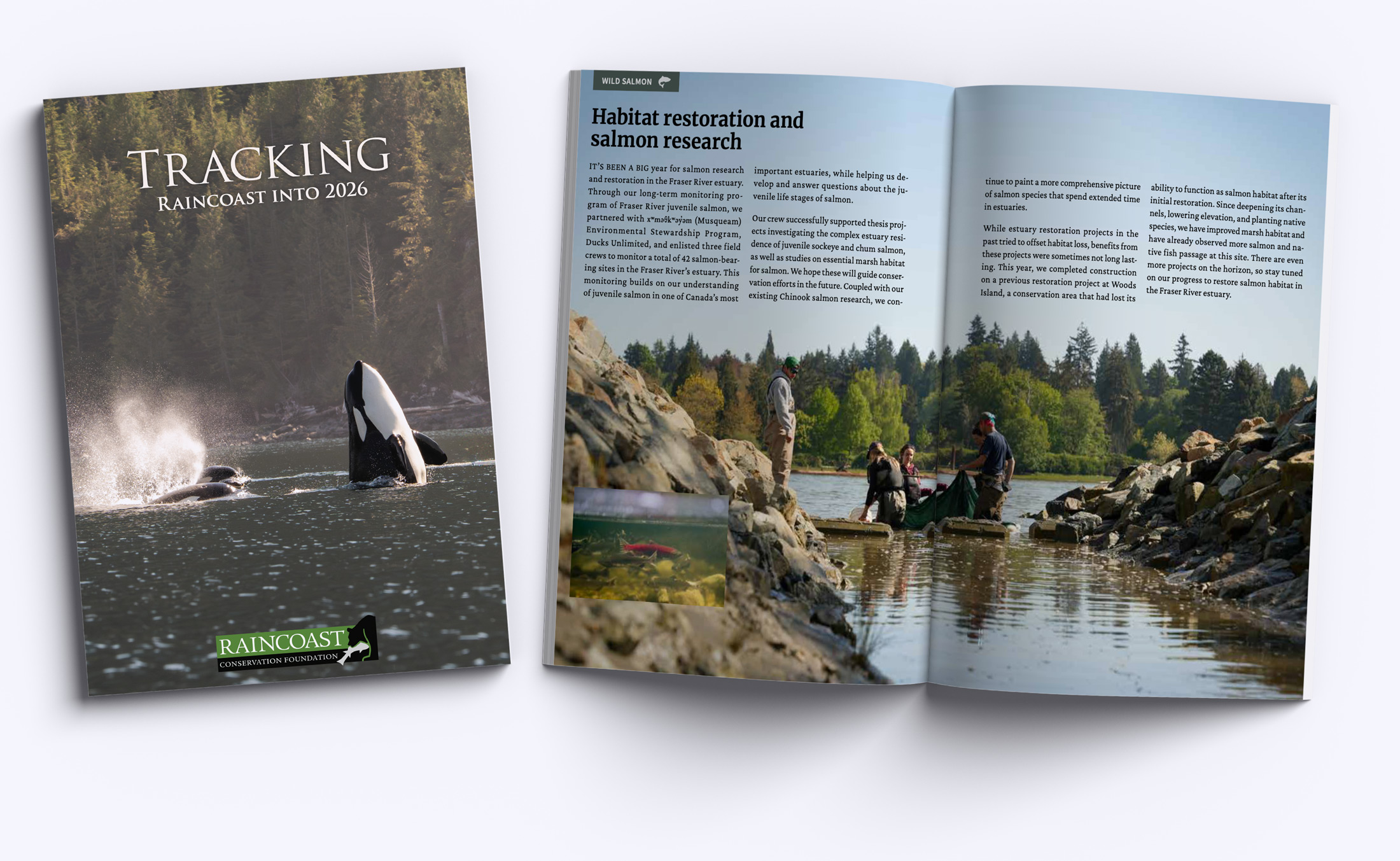
This is an excerpt from our annual report, Tracking Raincoast into 2026.