Biodiversity in BC, monitoring, and informing
Examining the genetics of whales and wolves, and using DNA from scat to determine spatial and temporal data on diet.
Raincoast’s Conservation Genetics Lab has had a busy year working on established projects and embarking on exciting new studies as well. Working with our partners at Fisheries and Oceans Canada, we have supported a study that uses DNA from archived killer whale fecal samples to identify the fish species being consumed by Northern and Southern Resident killer whales during the summer months. Each sample provided insight into when, where, and what each individual killer whale is eating, and provided valuable information on some seasonally important prey species other than Chinook salmon. In addition, we participated in a collaborative study of the North Pacific humpback whale diet, and a genetic fingerprinting study for humpback whales that will help aid future efforts to match fecal samples to individuals.
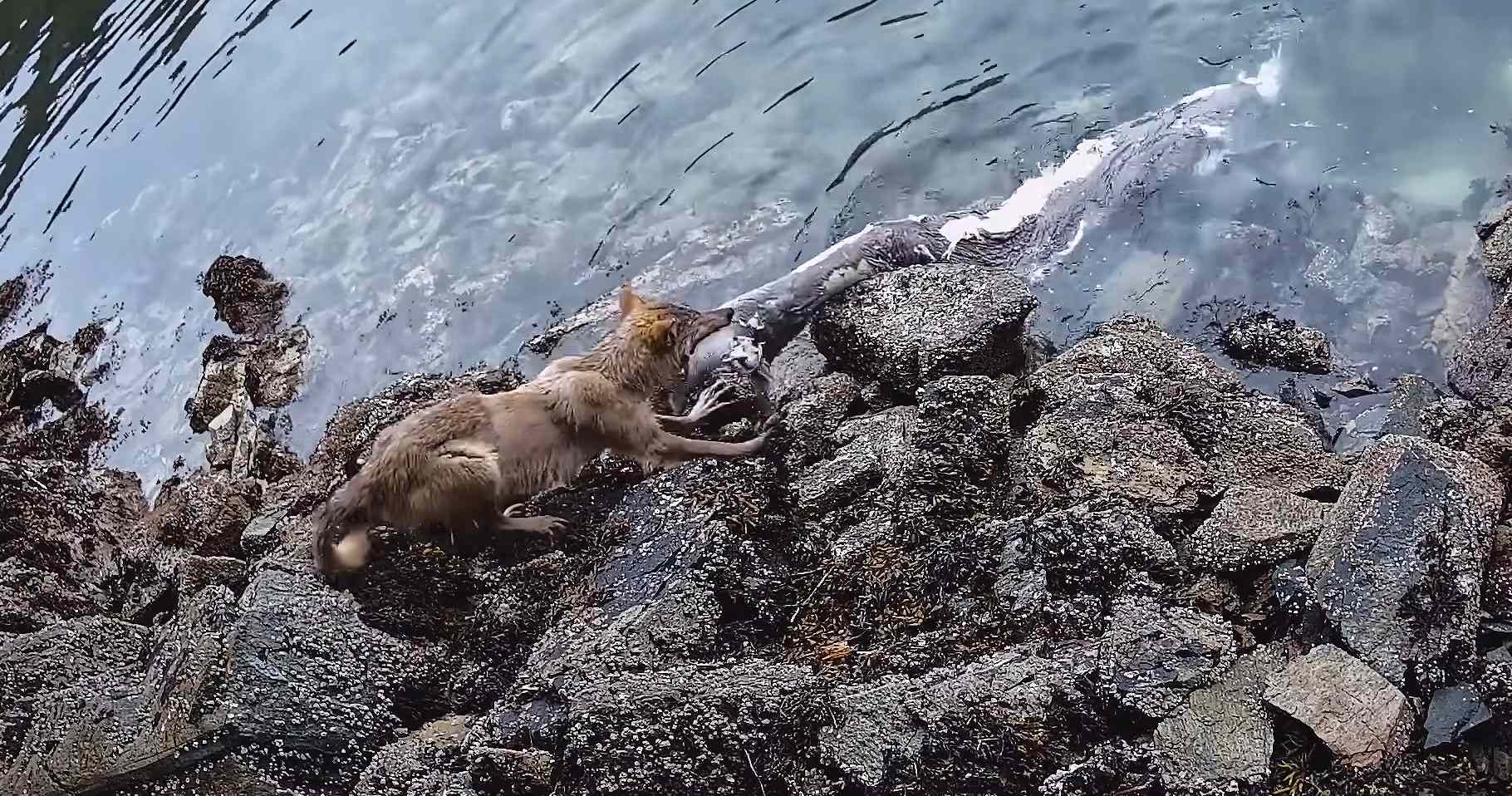
The genetics lab also worked closely with our Wolf Conservation Program and First Nations partners to analyze scat samples and identify the prey species wolves have been consuming in our study areas. We also expanded our lab capabilities to examine the genetic makeup of these populations through mitochondrial DNA analysis to differentiate between coastal rainforest and Northern Rocky Mountain wolves. These findings will offer valuable insights into both the feeding ecology and genetic history of local wolf populations.
We have a number of publications in preparation, and were part of a study published in August that demonstrated a new method of determining the sex of whales from eDNA samples. As we head into 2026, we are excited to announce that Raincoast will be part of a Genome BC study monitoring genomic biodiversity in BC. Our genetics lab will be one of three co-leads on the project along with professors from the University of Victoria and the University of British Columbia. We are thrilled to be part of such an important project at a trying time for biodiversity, both within and between populations.
This is an excerpt from our annual report, Tracking Raincoast into 2026.