Knowledge and responsibility
Groundbreaking insight from graduate students at the University of Victoria and how this knowledge is being used.
The pursuit of knowledge implies that learning might involve some sort of capture and possession. The truth is, however, that knowledge includes a responsibility to release what you learn. To inform. And to inspire.
At Raincoast’s Applied Conservation Science Lab, hosted at the University of Victoria, part of our mandate is to create new knowledge. Our graduate students conduct high-quality scientific research. Extraordinary young scholars uncover new and important information about how the world works, and often generate transformative insight.
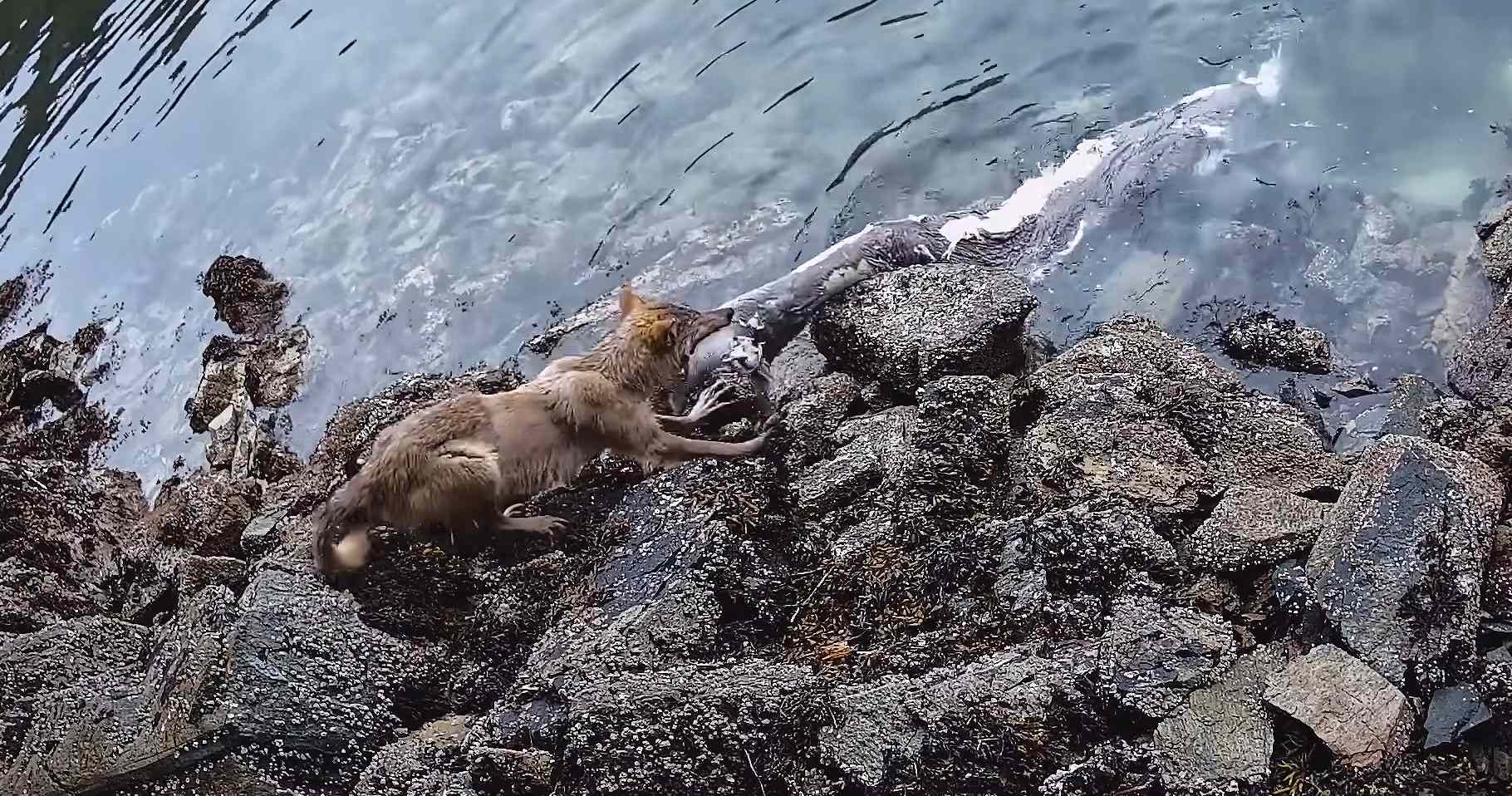
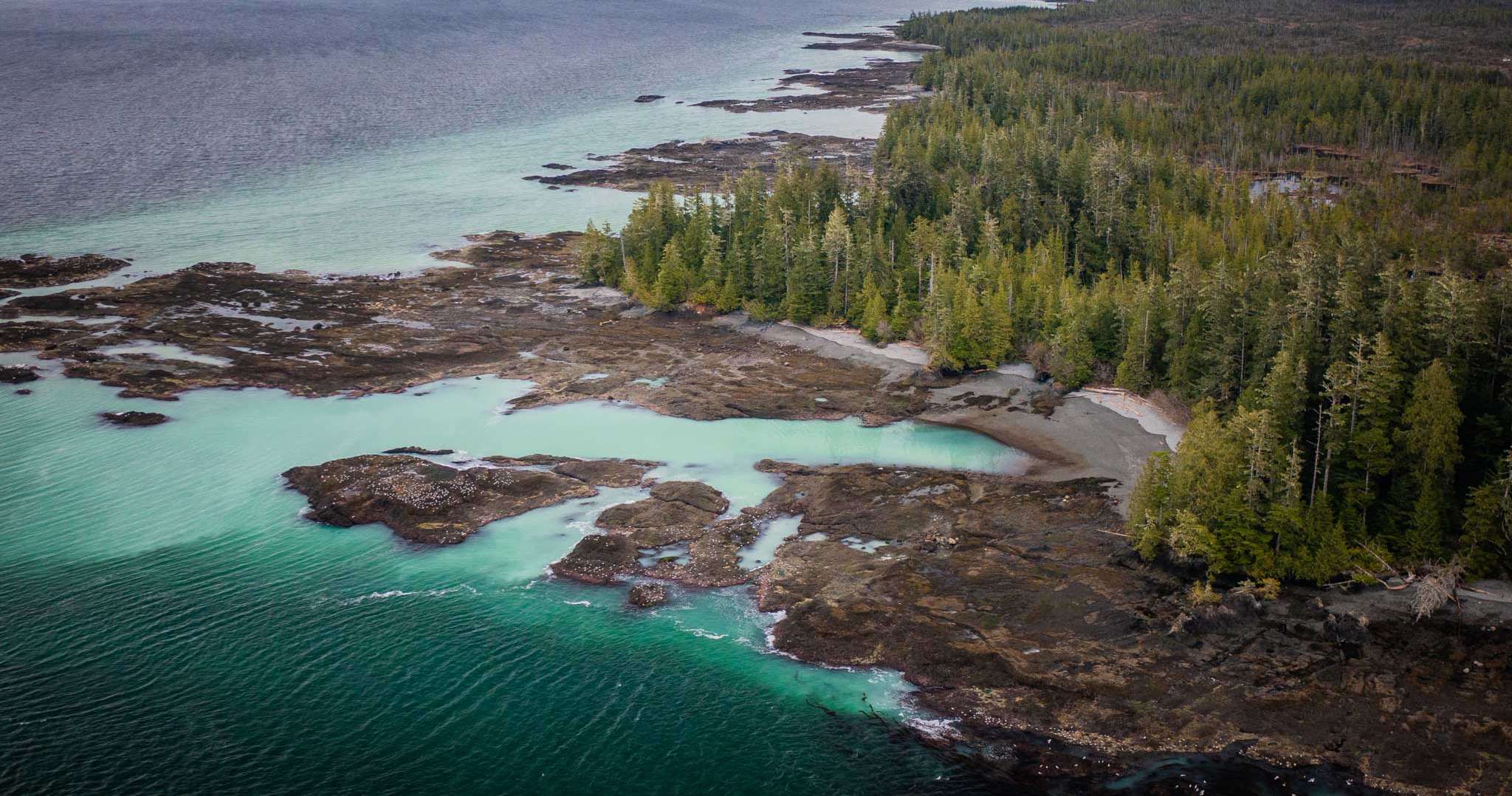
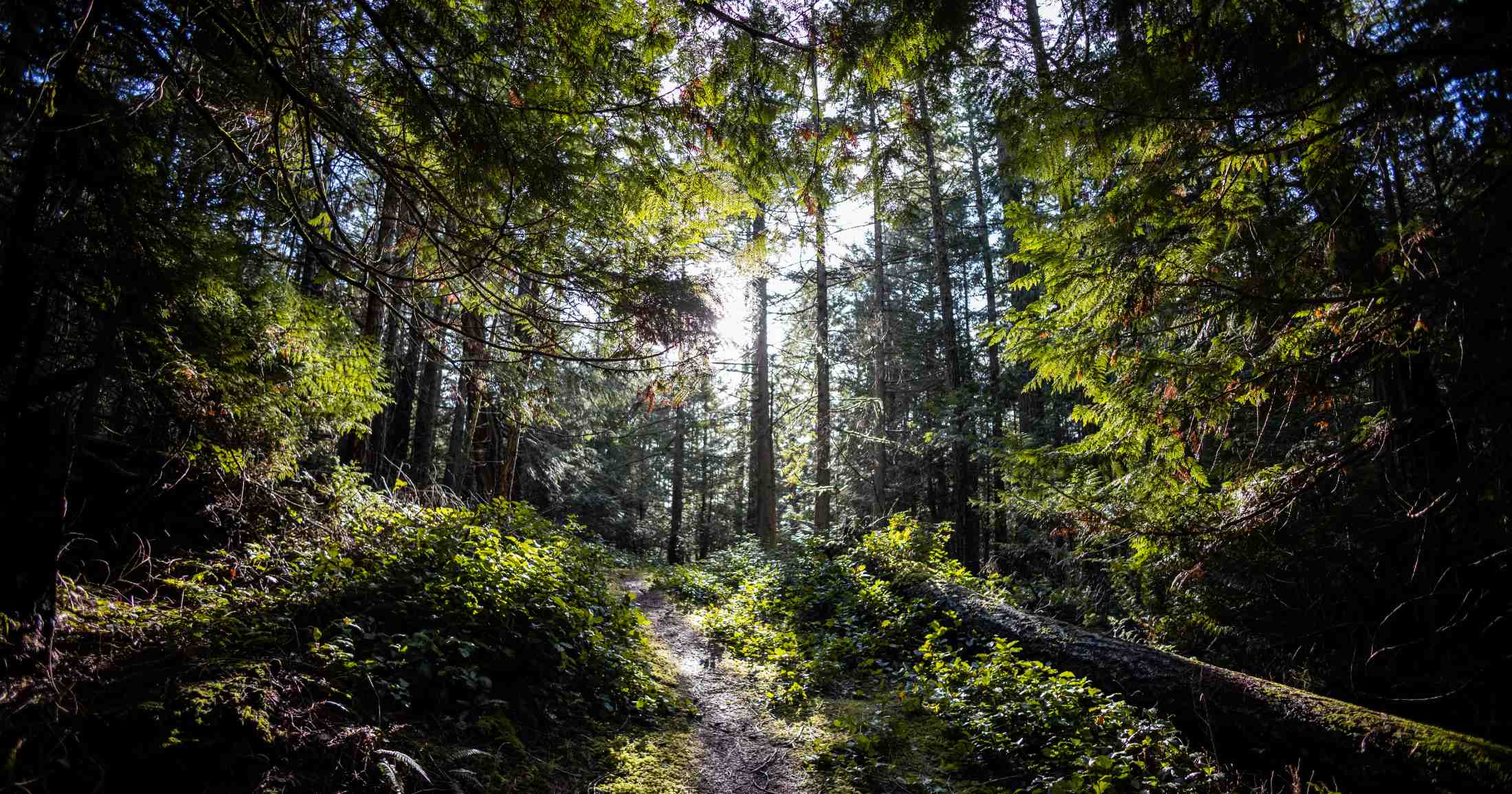
In one example of many over the last year, we published work with colleagues from the Haíɫzaqv Nation that identified corridors used by grizzly and black bears. These are the safe passageways that allow mobile predators to access spawning salmon runs scattered across ancient temperate rainforest landscapes during their annual seafood feasts. Our connectivity model was built from Haíɫzaqv Knowledge and movement data from individual bears, generated from a decade of non-invasive research. The project provided striking new knowledge about how bears lumber throughout their forested homes to make a living on the coast.
Our work, however, did not end with this creation of knowledge. Instead, it began with a responsibility to use the knowledge; to inform. Conceiving and planning the project with Haíɫzaqv managers, our research was to provide a product to be used in evidence-informed decision-making. Our results provided a constellation of options for consideration by the Heiltsuk Integrated Resource Management Department, fulfilling their objective of safeguarding habitat for wildlife with which they have enduring relationships and responsibility.
We also commit to mobilizing knowledge to inspire people. Inspiration takes many forms. As in years past, during 2025 we gave voice to wildlife. We exercised our extensive reach via prominent media outlets, like The Globe and Mail and The New York Times. In doing so, we inspire the public with both key information and compelling stories. It’s our way of asking the public in turn to ask more of the provincial and federal governments to protect wildlife and their habitat.
Closer to our hearts, we also spend a couple weeks a year inspiring youth from Haíɫzaqv and Kitasoo Xai’xais communities. Participating in their science and culture camps, we not only share our knowledge of science but also receive knowledge from the people of the area. Here we find inspiration to be the best applied scientists we can be.


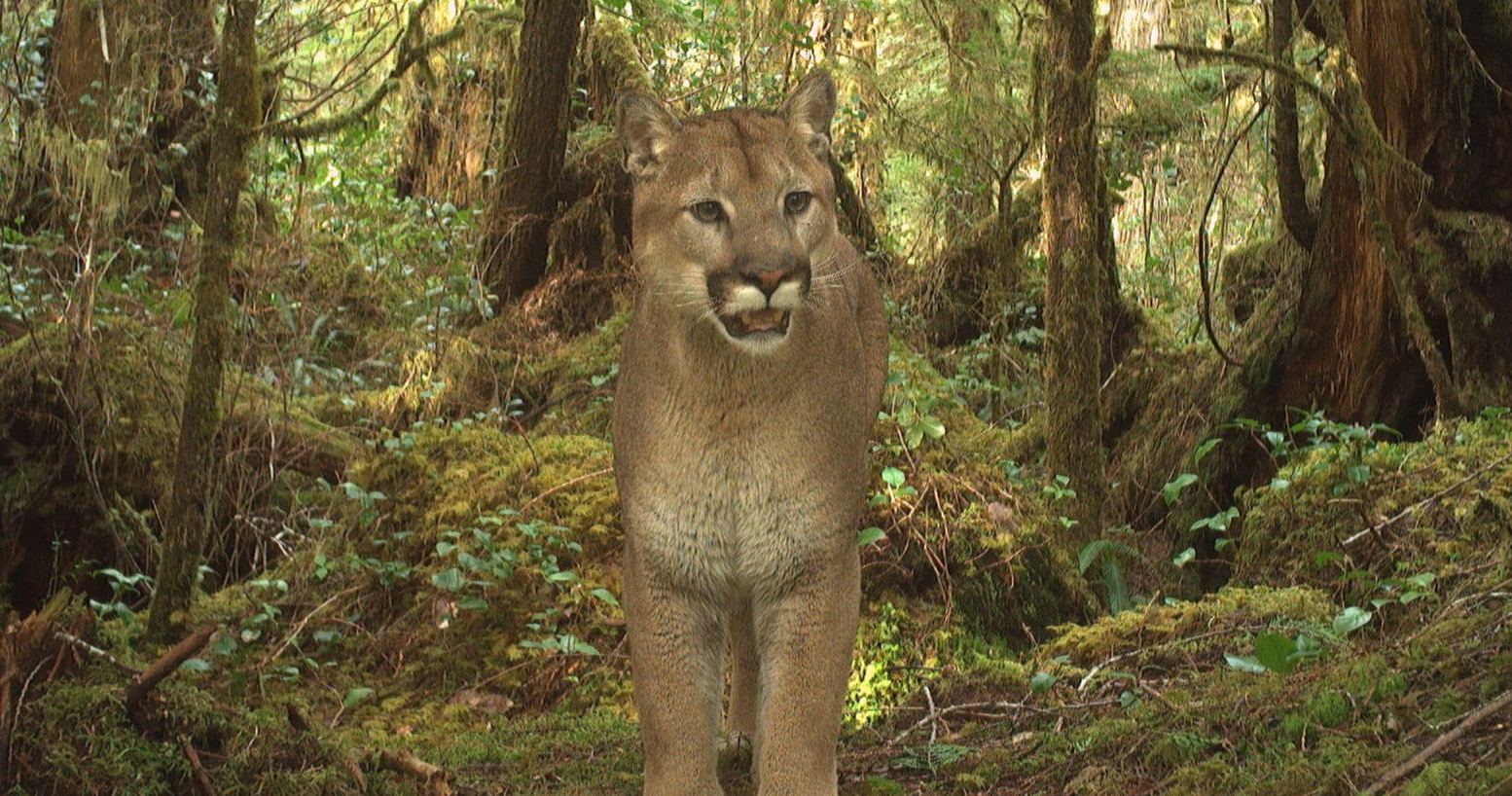
A black bear rolling in the old growth of Heiltsuk Territory. Photos by the Haíłzaqv remote camera project.
This is an excerpt from our annual report, Tracking Raincoast into 2026.