Wolf ecotypes in BC
Understanding the ecotype of recovering wolves is critical for conservation, as distinct ecotypes carry adaptations that influence habitat use, diet, and ecological function.
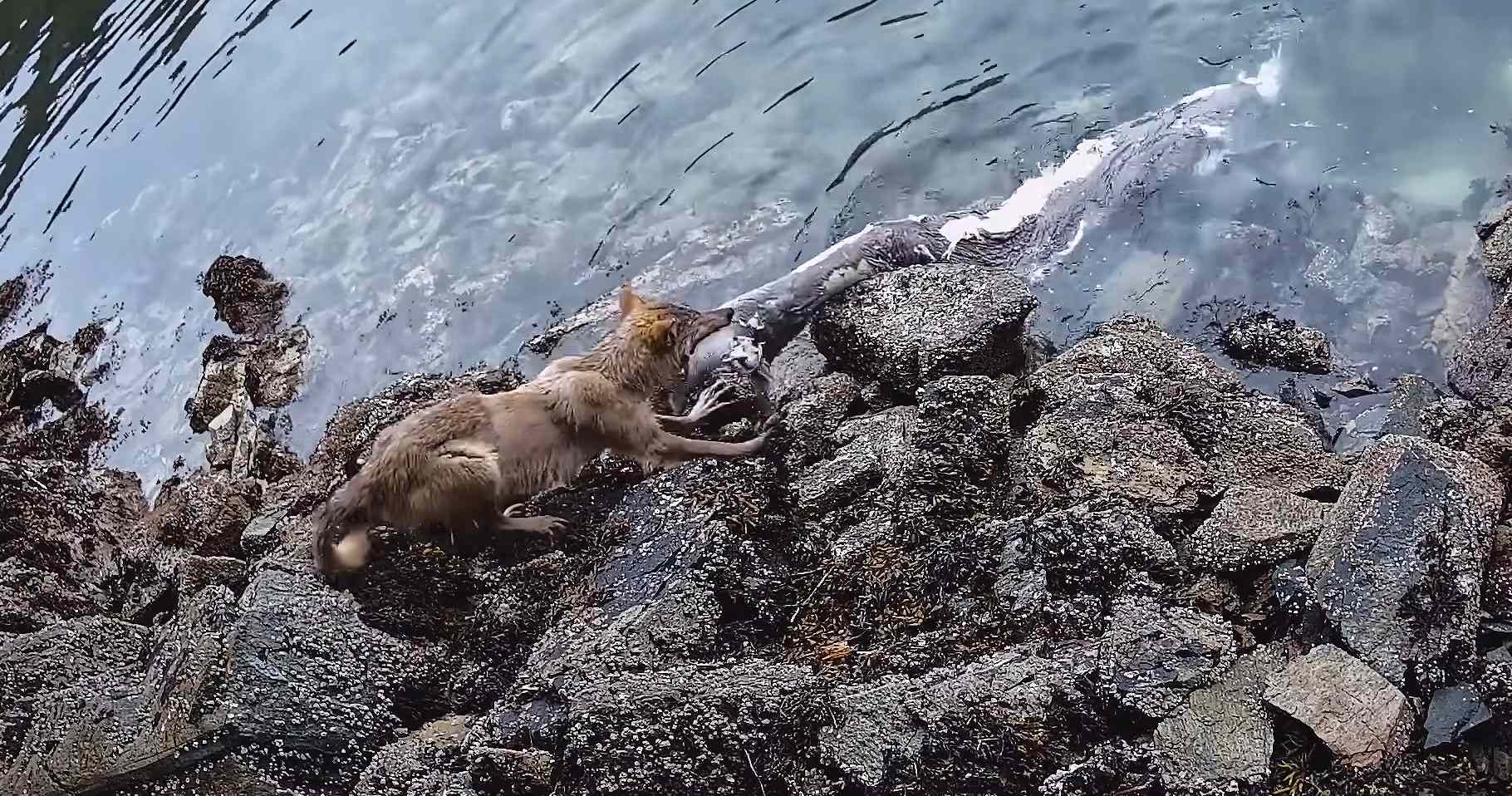
 Photo by Kali Wexler.
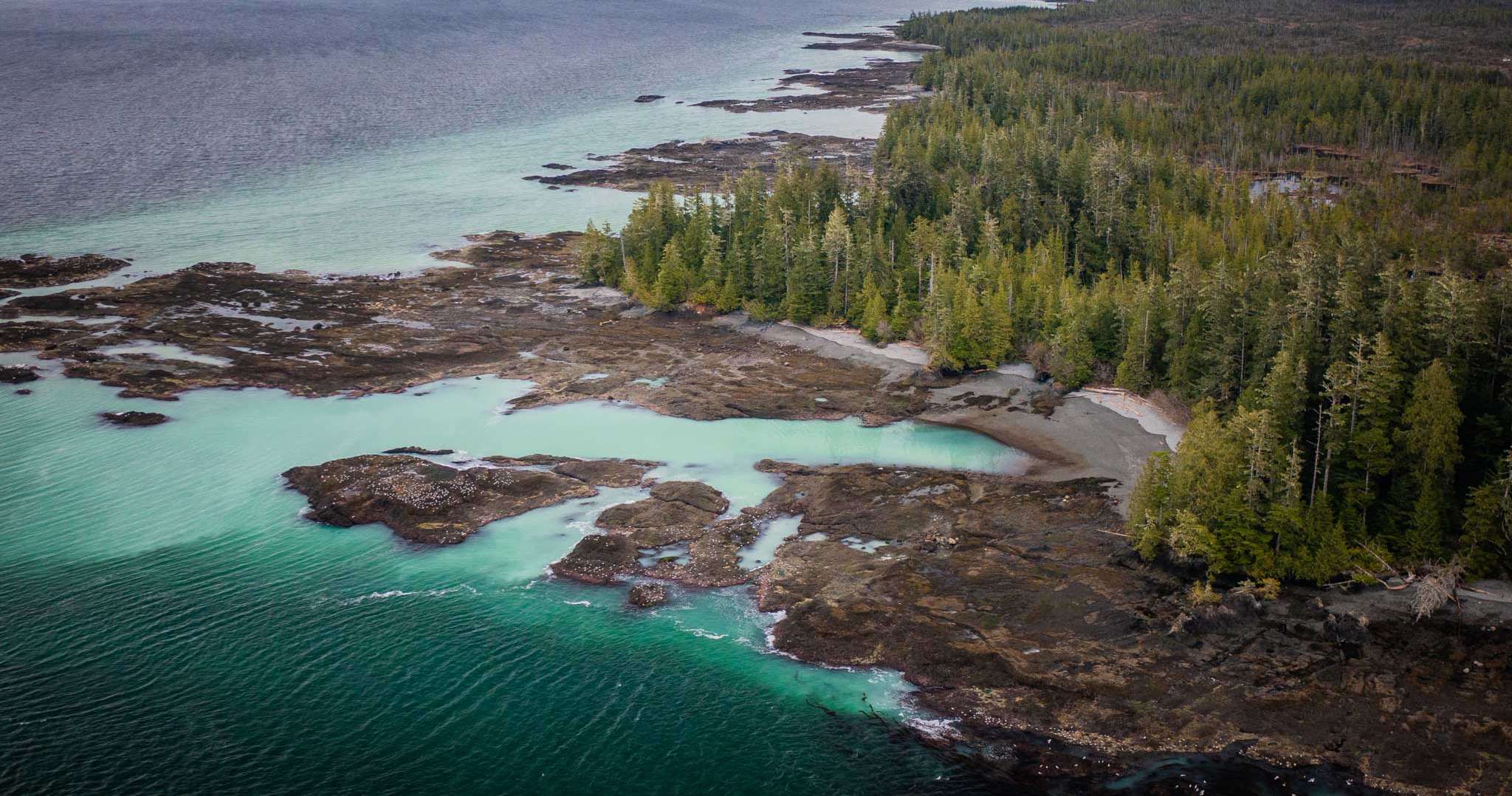
 Photo by Finn Steiner.
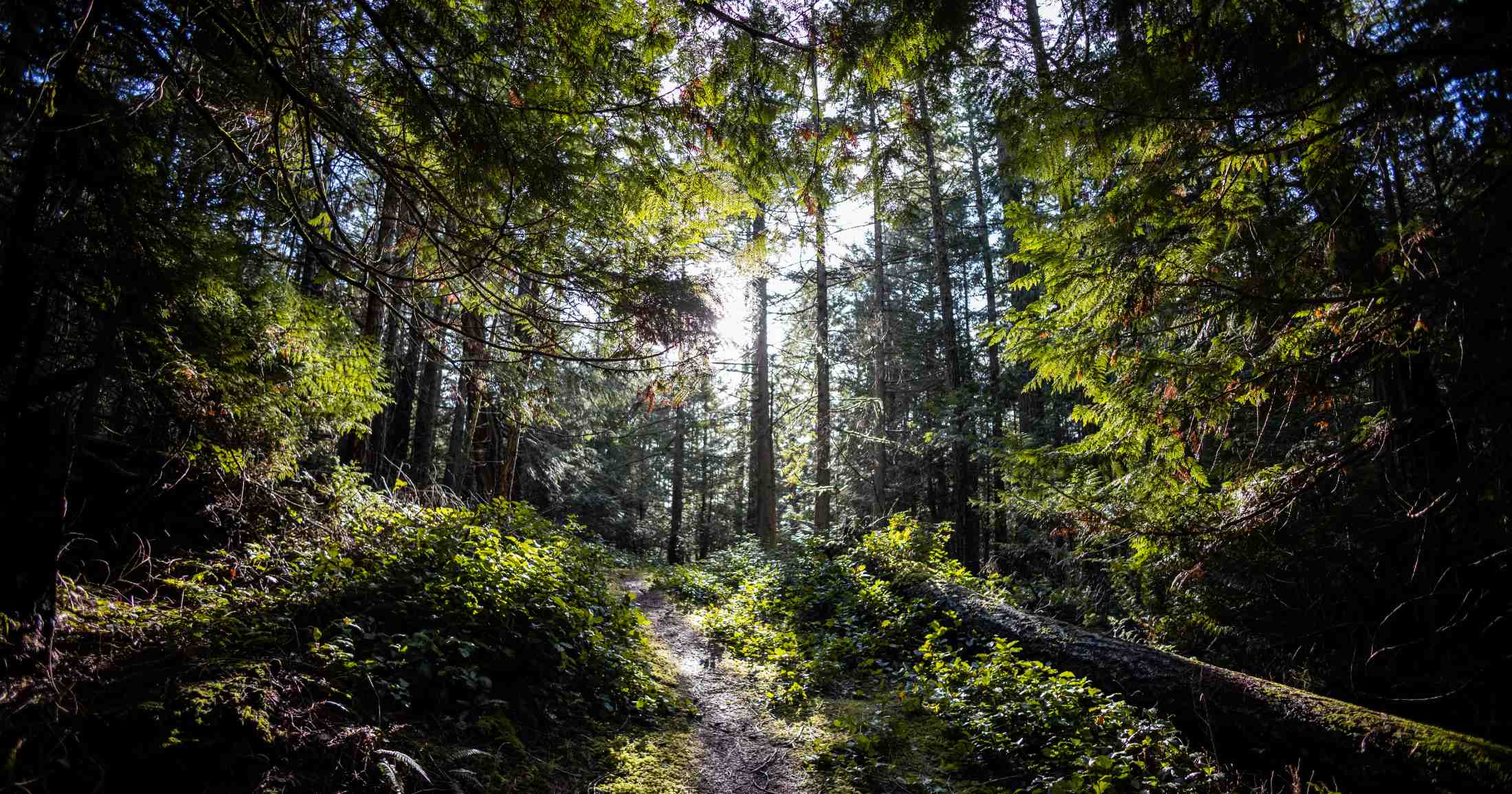
 Photo by Colleen Gara.
 Photo by Colleen Gara.
 Photo by Finn Steiner.
 Photo by Ryan Tidman.


Grey wolves historically occupied much of southern British Columbia, including west coast temperate rainforest ecosystems. However, widespread predator control programs and habitat changes have resulted in significant population declines and local extirpations.
Today, wolves are experiencing a significant recovery in parts of southern BC, and Raincoast is collaborating with First Nations partners to understand and document their ancestry.
Ecologically, two primary wolf ecotypes are recognized in BC: the interior or Northern Rocky Mountain (NRM) forest ecotype and the coastal rainforest ecotype.
Understanding the ecotype of recovering wolves is critical for conservation, as distinct ecotypes carry adaptations that influence habitat use, diet, and ecological function. Interactions between coastal and interior wolves may result in interbreeding, which can enhance genetic diversity and resilience but also risks reducing the distinctiveness of coastal lineages.
Raincoast is applying ecotyping research using mtDNA analysis collected from wolf scat to determine the genetic ancestry of recovering wolf populations. With this information, we aim to guide conservation strategies that balance ecological function with the preservation of unique genetic traits.
Check out the full article learn more about ecotypes vs. subspecies, the unique adaptations of coastal wolves, and the genetic analysis that can be applied to conservation.
Citation
Robertshaw C, Greer C, Paquet PC. 2026. Genetic legacy and ecological differences of grey wolves (Canis lupus) in southern British Columbia. Raincoast Conservation Foundation. https://doi.org/10.70766/23.7573