The roles of wolves in healthy ecosystems and how their presence benefits other species
Protect wolves, protect entire ecosystems.



Protect wolves, protect entire ecosystems.

Protecting wolves protects the ecological processes that sustain life across entire landscapes.

Raincoast’s submission draws on expertise in large carnivore ecology, animal welfare, and ecosystem dynamics.

Understanding the ecotype of recovering wolves is critical for conservation, as distinct ecotypes carry adaptations that influence habitat use, diet, and ecological function.

Understanding the ecotype of recovering wolf populations is important for conservation and management.

What does a wolf’s development look like?

Range size varies widely depending on factors like prey density, pack size, and terrain.

In our seventh Of wolves and women episode, Paul Paquet reflects on the profound impact the women featured in this series have had on both his life and his understanding of wolves.
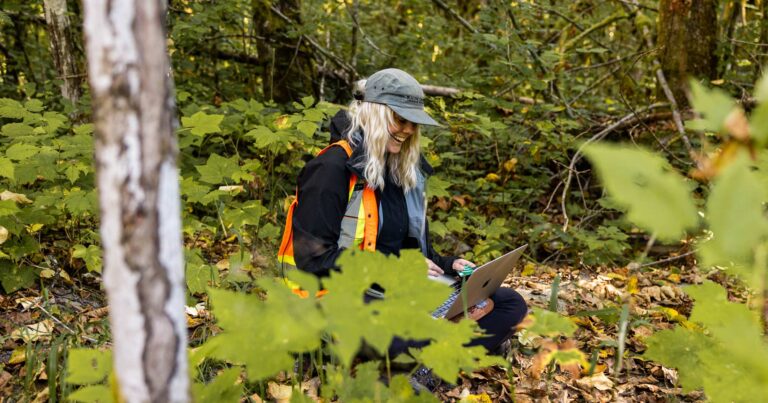
In our sixth Of wolves and women episode, Chelsea Greer shares how her curiosity and passion for wildlife conservation and animal welfare led her to wolves – and to Raincoast.

In our fifth Of wolves and women episode, Astrid Vik Stronen delves into the fascinating world of conservation genetics, revealing how this field can guide wildlife protection amidst rapid environmental change.

In our fourth Of wolves and women episode, Shelley Alexander reminds us that science, when divorced from ethics, fails to consider the whole picture.
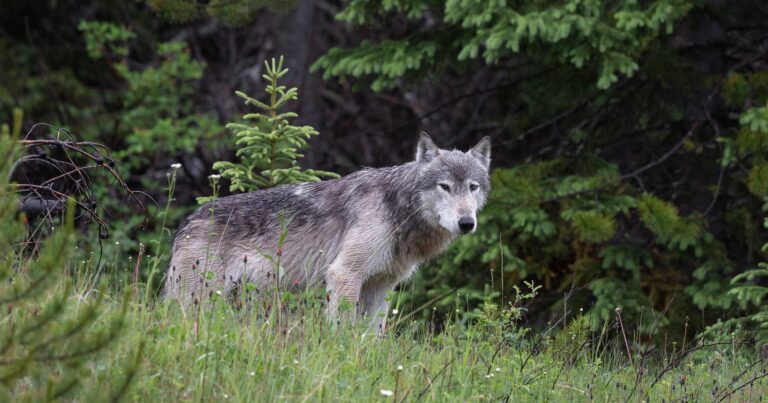
In our third Of wolves and women episode, Susan Bragdon reveals what her observations uncovered about the role of female wolves.