Landslides, clearcuts, and camera traps: surveilling wolves on an industrial landscape
In two field days, we deployed nine remote cameras throughout the valley.


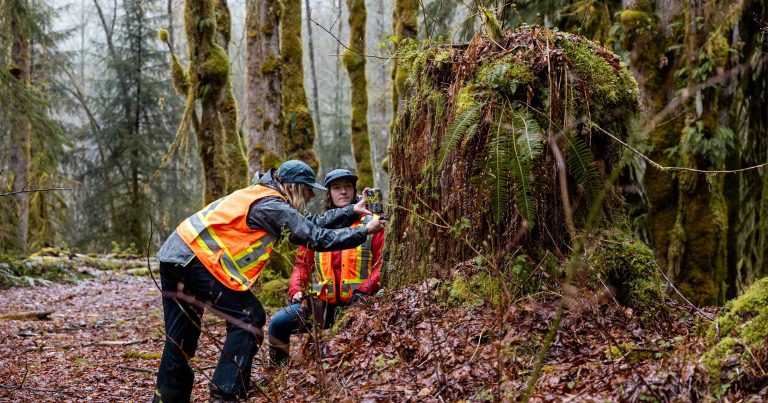
In two field days, we deployed nine remote cameras throughout the valley.
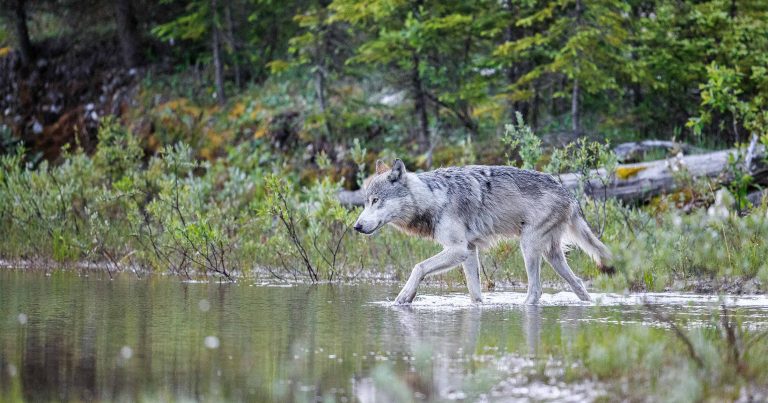
Is such a large experiment in wolf control, given its limited signal of efficacy and an unrelenting appetite of industry, worth the carnage?
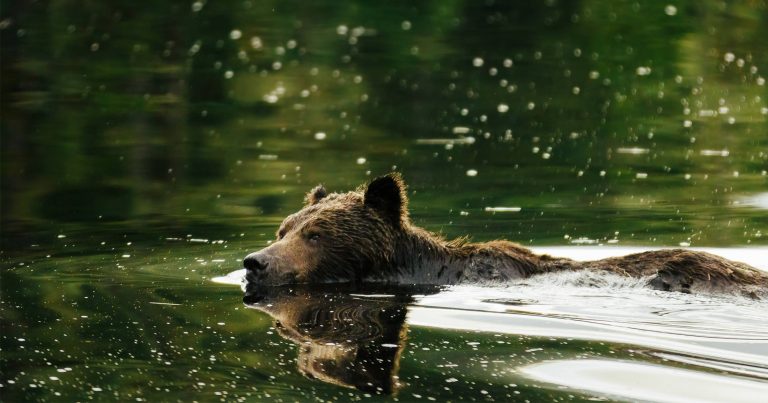
Since we launched our campaign to purchase Raincoast’s sixth commercial trophy hunting tenure, we have raised nearly $290,000!

An essay from Paul C. Paquet about our relationship with wolves.

A new paper, published by a team of researchers including Raincoast scientists, dives into the tangle of cognitive bias, institutional agendas, human interests, and pays special attention to the role of undisclosed value judgments.

We have partnered with Ecologyst and an incredibly talented Tsleil-Waututh artist, Ocean Hyland, to make these exclusive 1200 Wolf Tee Shirts…

An interview with Dr. Heather Bryan who has been studying wolves with Raincoast since she was an undergraduate student…
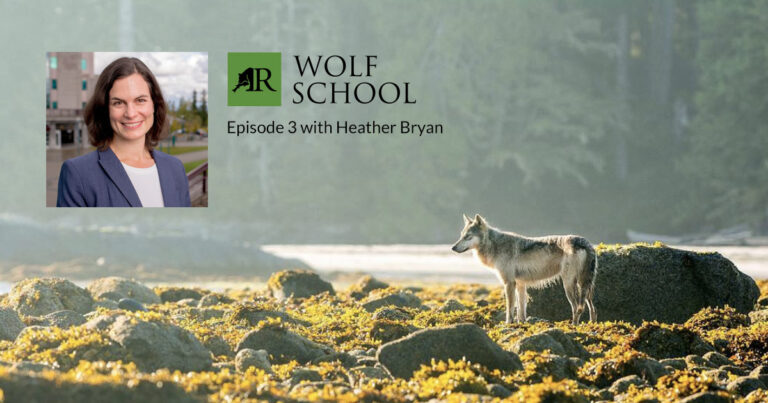
After our fantastic second episode with the Wolf Conservation Center’s Regan Downey last week, our next wolf school session will feature another inspiring scientist and educator, Dr. Heather Bryan. Now an Assistant Professor in Ecosystem Science and Management at the University of Northern BC, Heather has played a critical role in Raincoast’s work on coastal wolves and bears for many years…
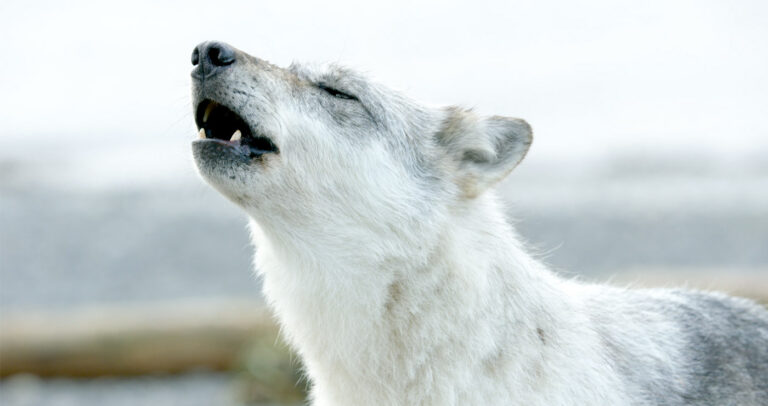
With close family ties and complex communication, wolves live lives that humans can easily empathize with across cultures. Yet, the wolf is still persecuted, including here in BC…

A new study shows that while addressing potential threats from wolves does not seem to be effective, an important new signal has emerged from the data: ecotype.

In British Columbia, Canada, wolves continue to be killed through a variety of means. These include legal recreational hunting and trapping. Our goal is to stop the hunting and trapping of BC’s wolves. Our initial initiative includes educating the public about the biology, behavior and ecology of wolves and their current situation in British Columbia…
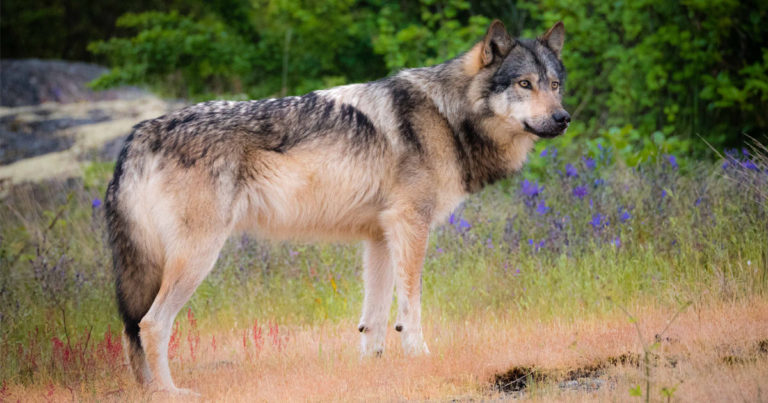
BC’s wolves are killed through a variety of means, most of which are gratuitous, inhumane and unethical. These include legal hunting and trapping, as well as government sanctioned culling, the latter using such techniques as aerial gunning and neck snares…