Episode 2: Wolf social behaviour with Jane Packard
In our second Of wolves and women episode, Jane Packard discusses the importance of learning to see the world through the eyes of another being – whether two-legged or four-legged.


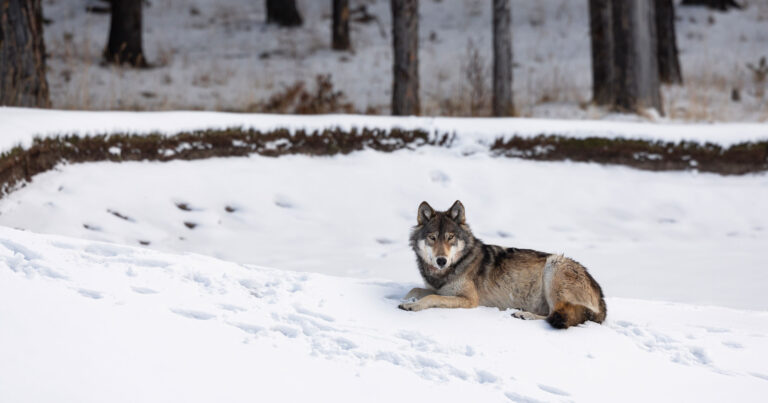
In our second Of wolves and women episode, Jane Packard discusses the importance of learning to see the world through the eyes of another being – whether two-legged or four-legged.

Marked by a long history of persecution and astonishing resilience, wolves continue to be in the crosshairs of both the public and policymakers.
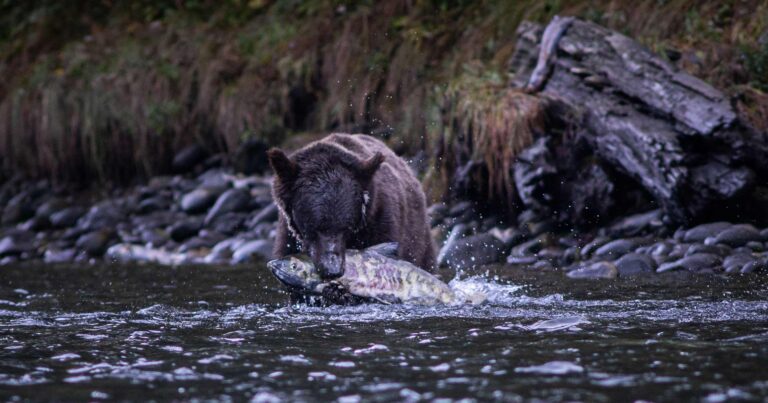
Applied science in its most productive form requires a commitment to acknowledging – and communicating – difficult realities.

The level of human-caused wolf mortality can only be described as staggering.

What science tells us about wolves who evolved to be black.
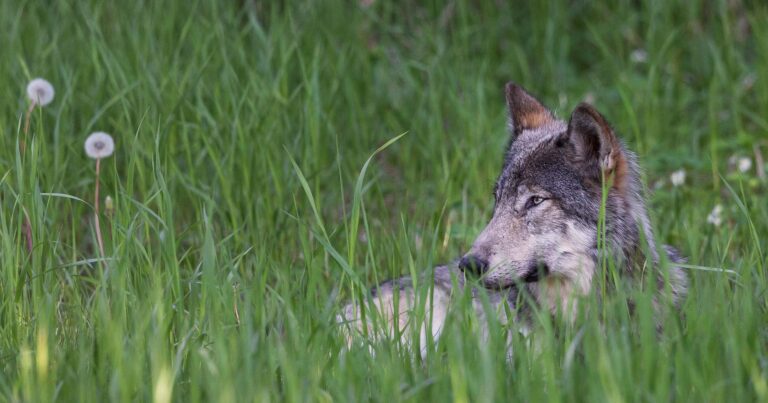
We have ethical responsibilities to targeted species and to biodiversity, and we need to consider the well-being of both.

As winter fast approaches, biologist Chelsea Greer reminisces on the December field days of last year, counting spawning salmon and tracking wolves in the snow.

Delving into the realms of endangered Chinook salmon surveys and the ongoing resurgence of a wolf population.
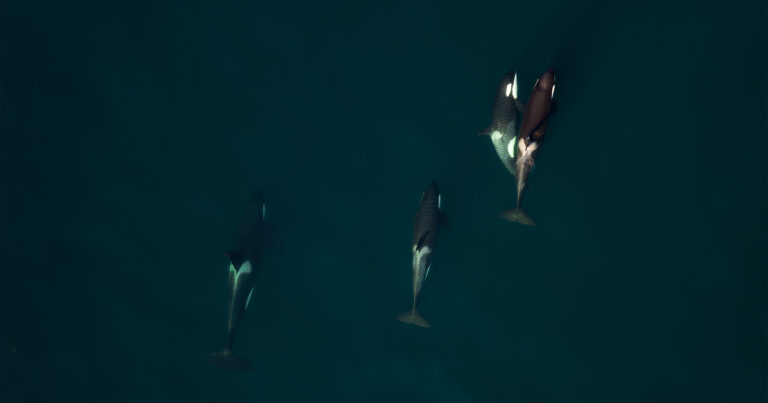
How studying animal culture can inform conservation.

Following our wildlife welfare ethic, 2023 will see us continuing our application and advancement of non-invasive approaches for monitoring wolves.

Photography is a key tool in our communication and, as with our scientific research, we have an extensive ethics protocol that we follow and share with photographers who contribute images to us. A reality of wildlife photography is that, whether intentional or not, photographers have an effect on their subjects. These disturbances take place when…
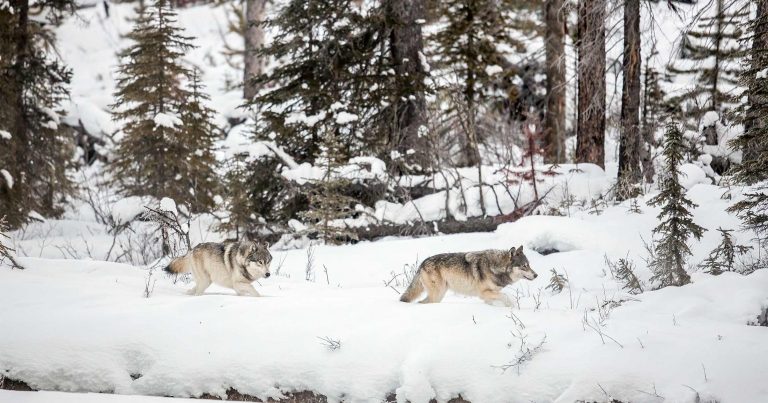
The Kootenay Wolves – Five years Following a Wild Wolf Pack is a spectacularly illustrated photography book by John E. Marriott, full of behavioural observations and wolf tales that will engage those interested in the state of wild wolves in North America.