Wolves, whales, and water
Expanding partnerships for Raincoast’s conservation programs.
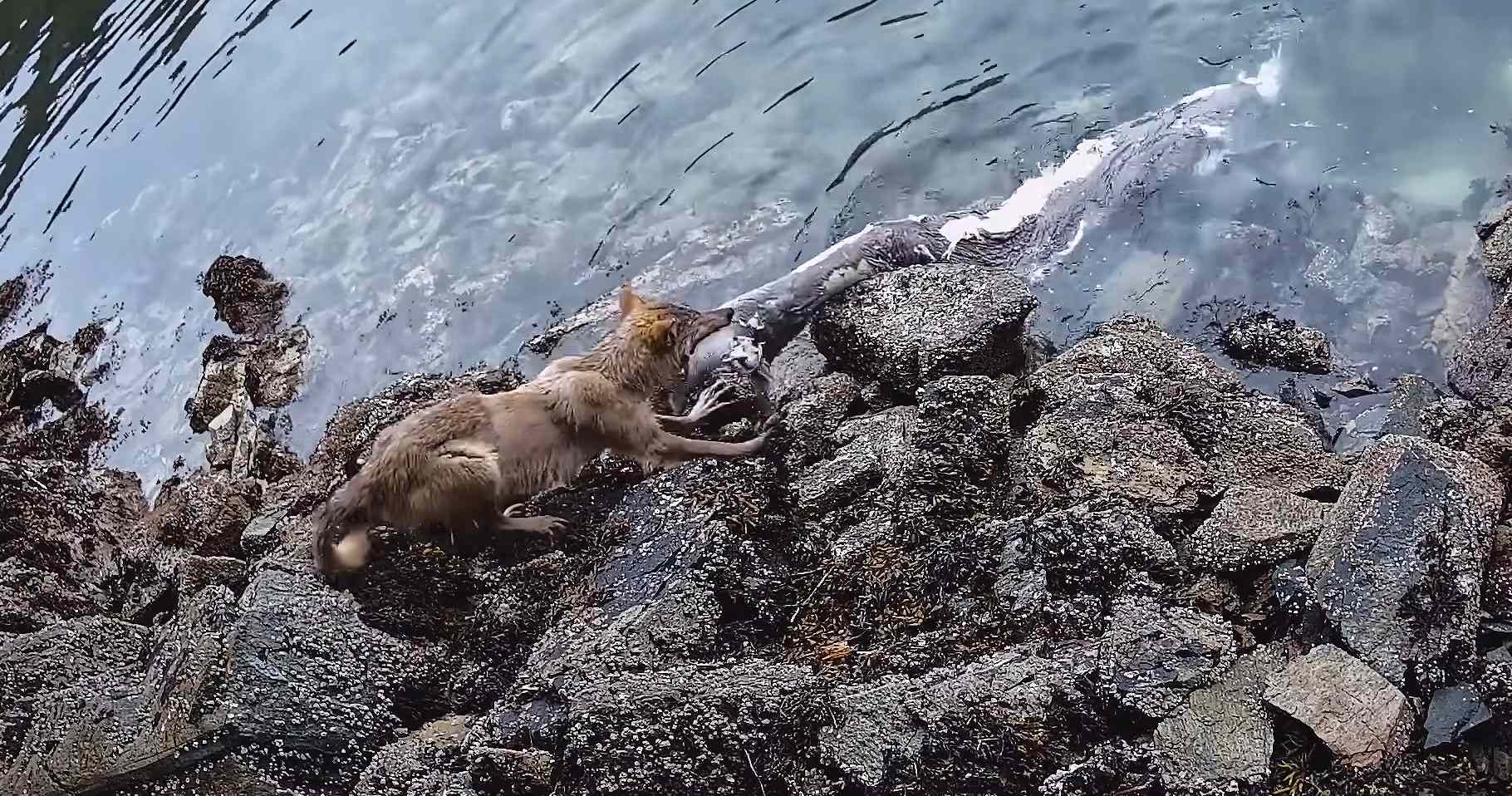
Our Conservation Genetics Lab has had an exciting year working on a wide range of research projects. We have completed our analysis of inbreeding across Resident killer whale populations, yielding some interesting results with important conservation implications. The analysis of wolf diet from scat collected through our Wolf Conservation Program has revealed both expected and surprising prey species.
Our UVic-based Raincoast lab is also utilizing the genetics lab to help process important scat samples from the recent field season. Looking ahead to 2025, we are embarking on a new collaborative project with DFO to help produce a reference genome for Pacific humpback whales, examining what their DNA can tell us about their breeding grounds and migration patterns based on sex.
We are also collaborating with various partners, from universities to conservation organizations, to help them analyze environmental DNA samples and interpret results. Additionally, we continue to work on important long-term studies such as our killer whale fecal analysis, striving to publish these critical findings.
Recently, our research scientist, Adam Warner, co-authored a published study on cetacean eDNA, marking another milestone in our ongoing research efforts.
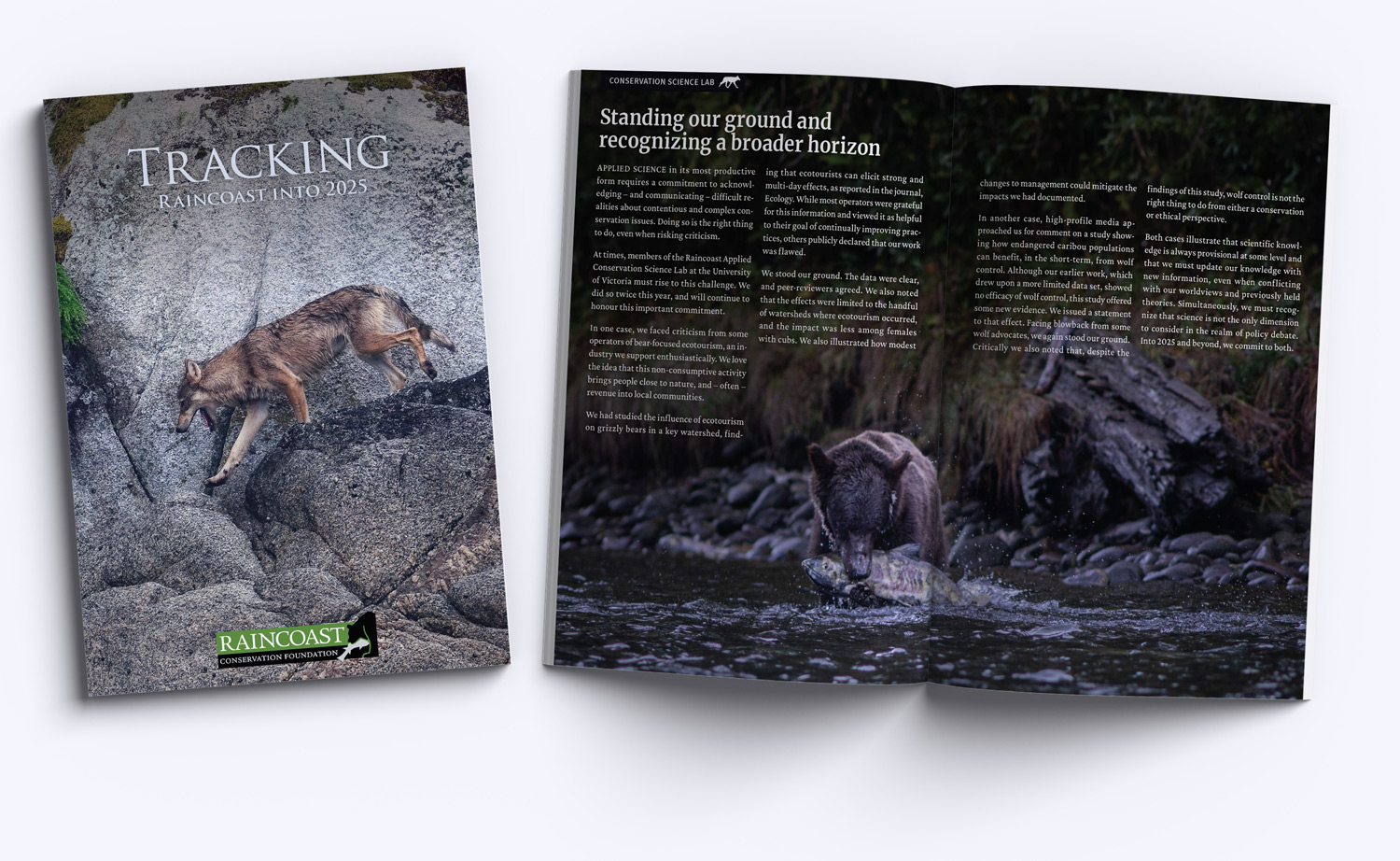
This is an excerpt from our annual report, Tracking Raincoast into 2025.