Coastal Douglas-fir Forests: Present, past, and future
It is well known among foresters and ecologists in British Columbia that the Coastal Douglas-fir (CDF) biogeoclimatic zone is among the most threatened assemblages of habitats in the province.



It is well known among foresters and ecologists in British Columbia that the Coastal Douglas-fir (CDF) biogeoclimatic zone is among the most threatened assemblages of habitats in the province.

At 18,239 km2 it covers a quarter of the Great Bear Rainforest.
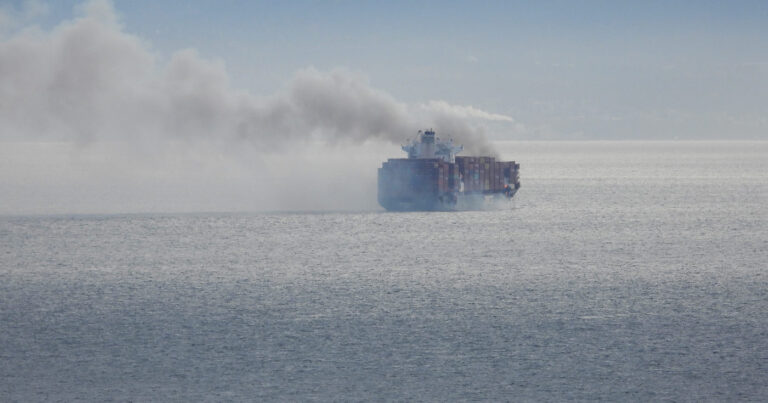
These are relevant questions to ask ourselves, the shipping sector, and government authorities alike.
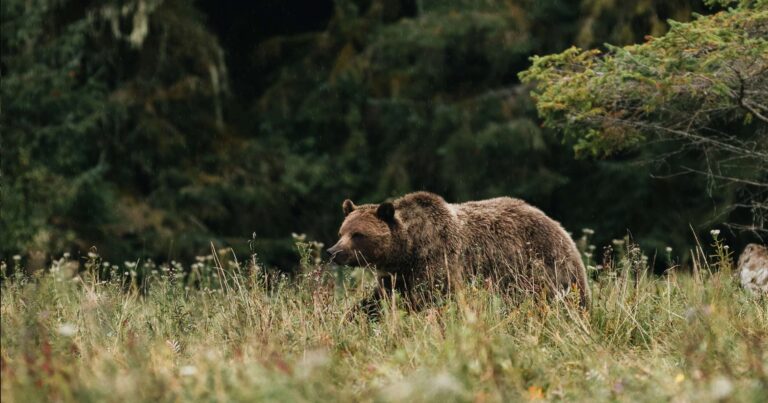
Working with our Coastal First Nations partners, our goal is to permanently end commercial trophy hunting of all large carnivores in the Great Bear Rainforest.

Raincoast recently began a partnership with Tsawwassen Nation to support Environmental Stewardship programming for youth. The program provided local youth with opportunities to learn about stewardship, environmental restoration and career development.

As Ecologists, we are interested in learning about organisms and their interactions, and who is better to learn from than those who so often have historical and contemporary connections to the lands and their living organisms for millennia?
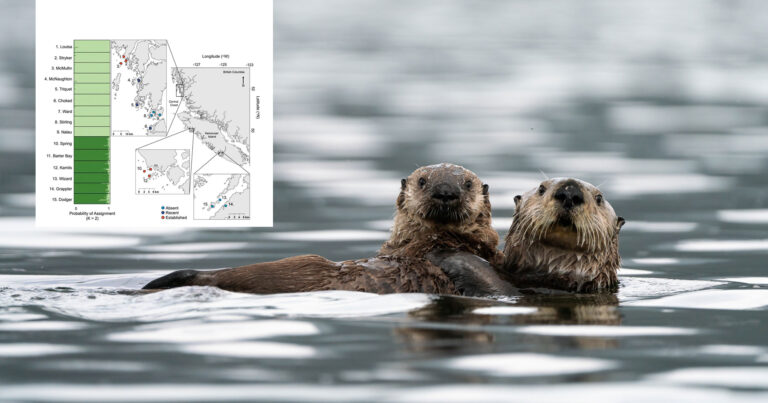
Contrary to how it may appear, it turns out that sea otters ripping up eelgrass actually does the plant – and the nearshore ecosystem – a favour.

Public opinion played a role in ending the grizzly hunt in BC, and your voice in this cause matters!
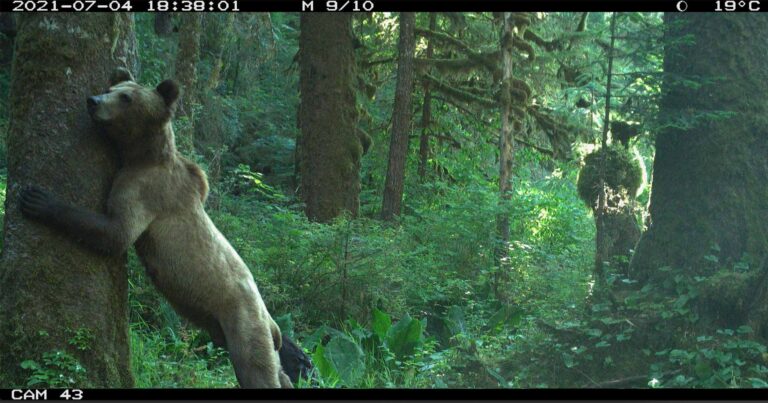
Remote cameras are assisting researchers at the Raincoast Applied Conservation Science Lab to answer pressing conservation questions along the coast of British Columbia. These cameras, deployed and managed in collaboration with First Nations partners, create unique possibilities for non-invasive wildlife monitoring.

more about complex environmental issues and the options for better environmental policy and protection in the Gulf and Howe Sound islands.
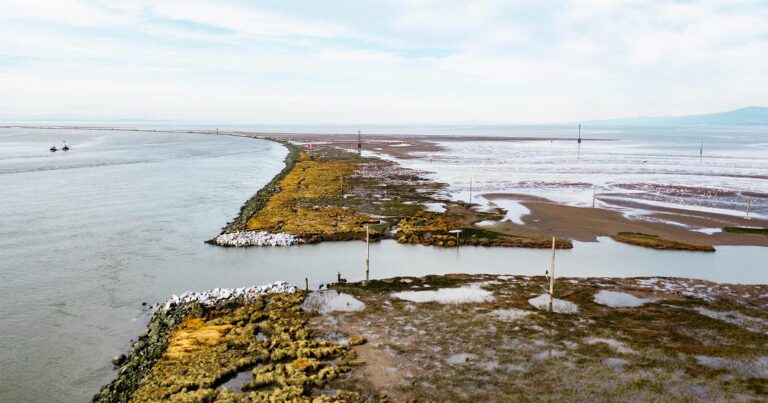
This project has been the largest connectivity restoration project in the Fraser estuary in decades.

A recent journal article, published in Methods in Ecology and Evolution, draws attention to the need for consistent and high standards for animal welfare in research, and the important role that journals have in maintaining ethical standards in published research. The authors, joined by Raincoast scientists Kate Field, Paul Paquet and Chris Darimont, stress that…