On hope
“What would your ‘management plan’ for the Salish Sea be?” I ask the youth gathered. We are having a conversation about wild Pacific salmon and Southern Resident killer whales with Misty MacDuffee.



“What would your ‘management plan’ for the Salish Sea be?” I ask the youth gathered. We are having a conversation about wild Pacific salmon and Southern Resident killer whales with Misty MacDuffee.
The findings of this research were presented during a webinar and they were also compiled into a comprehensive tree bylaw report, now available.

This report provides an overview of municipal tree bylaws in BC highlighting ways tree bylaw components impact tree protection.
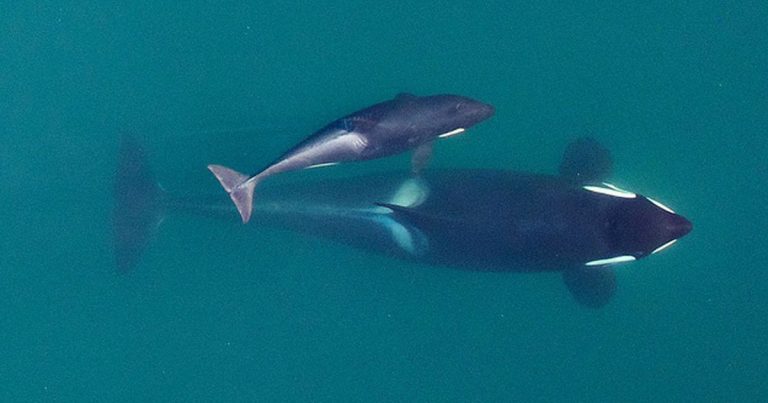
Please send a letter to the three federal ministers with responsibility for different aspects of Southern Resident killer whale recovery measures. Please also consider adding a personal note within the letter to indicate the importance of this topic to you.

Salmon have lost access to as much as 85 per cent of their historical floodplain habitat – the biologically rich wetlands next to a river or stream that typically harbour wildlife – due to dikes and similar infrastructure.
Most of this seasonally available habitat is no longer accessible.

It became apparent quickly that any research we did with the Wuikinuxv Nation on grizzly bears would be premised in a deep respect for the well-being of bears. This meant asking questions about the bears’ population, habitat, and food sources. There is a cultural principle in Wuikinuxv of looking ahead over each other and the lands and waters. In the Wuikinuxv language, this practice of being a guardian or a protector is called n̓àn̓akila.
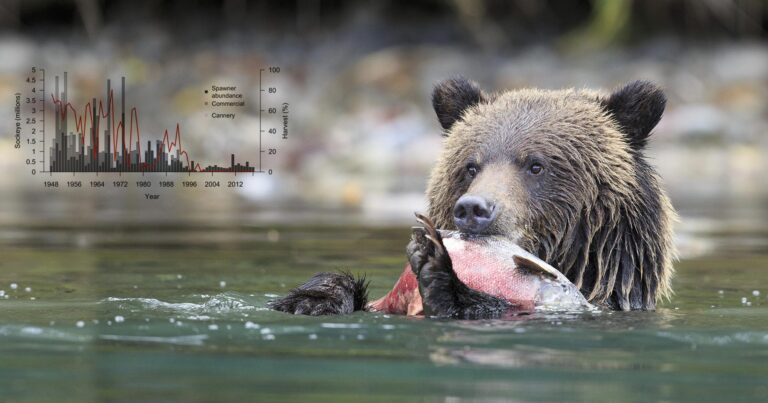
Guided by the Wuikinuxv principle of n̓àn̓akila (to keep an eye on something or someone; a protector or guardian), a new study shows how fisheries managers can allocate salmon for wildlife, while balancing the needs of local communities.

In the landscape on the central coast of what is now known as British Columbia, genetic analyses have identified three distinct genetic groups of grizzly bears. The spatial areas of these groups align strikingly well with the geographies of three Indigenous language families (Tsimshian, Northern Wakashan, Salishan Nuxalk). The explanation the research partnership favours is…

There is an urgent need for a more comprehensive approach to monitoring water pollution in British Columbia. For these reasons, and more, we are excited to announce that Dr. Ross is leading the new Healthy Waters Program at Raincoast. He will bring new focus, and new reach, to our efforts to safeguard salmon, whales, and people.

A Q&A to help you get acquainted with our newest team member.

Raincoast’s Guide Outfitter Coordinator and Ship Captain, Brian Falconer shares about his experience on the Marine Debris Removal Initiative.