The MV ZIM Kingston incident brought near-disaster to killer whale critical habitat: more questions than answers
These are relevant questions to ask ourselves, the shipping sector, and government authorities alike.


What's new // Southern Resident killer whales
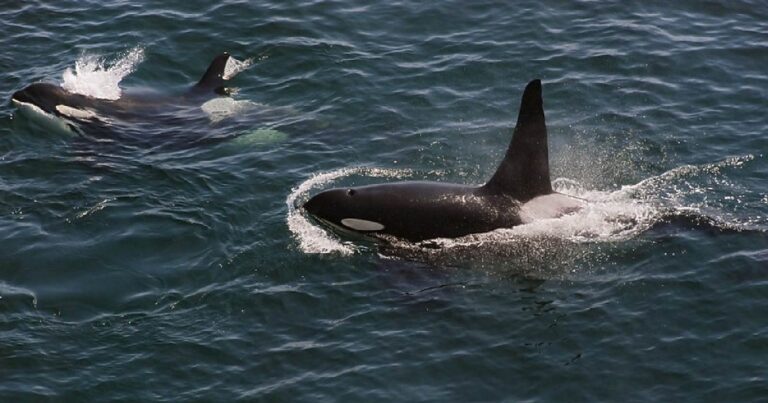
If Southern Resident killer whales are to persist in the Salish Sea decisive steps producing substantive reductions in threats must be taken. Southern Resident killer whales are critically endangered. Their salmon food supply is in decline and their waters are noisy and polluted. This declining population of 73 animals (July 2022) has very low birth rates and premature deaths of adult whales. The birth of recent calves offers hope, but threats that impede their successful feeding and access to Chinook must be addressed for calves to survive and population recovery to occur. Learn more.
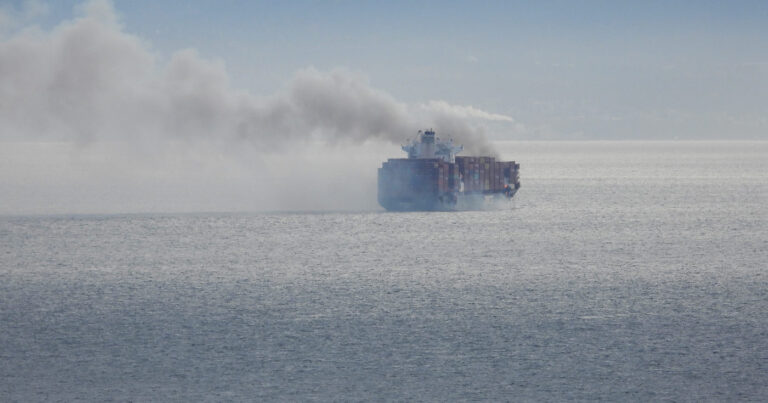
These are relevant questions to ask ourselves, the shipping sector, and government authorities alike.

We are already halfway through the year, and I wanted to share with you some of Raincoast’s achievements thus far. This progress relies on donors like you and the entire team at Raincoast sincerely appreciates your support. Here’s a snapshot of Raincoast’s efforts over the past six months.
We are excited to participate the 2021 GiveBig Washington campaign! The 48-hour fundraiser officially starts next week (May 4-5), but with early giving having already started you can make a contribution now.

With the Canadian federal government set to decide on recovery measures for 2021, we have made it easy for you to send a letter to three federal ministers encouraging them to implement the strongest possible recovery measures to ensure the survival of Southern Resident killer whales.

Join us Wednesday April 7 at 1pm Pacific for Coastal Insights as we look at key conservation issues facing wildlife and their habitat along BC’s coast. The lesson will also discuss how we can take action to protect and sustain the Salish Sea.

We have released a new video about the impacts of the Port of Vancouver’s Terminal 2 expansion on Southern Resident killer whales and Fraser River Chinook salmon.
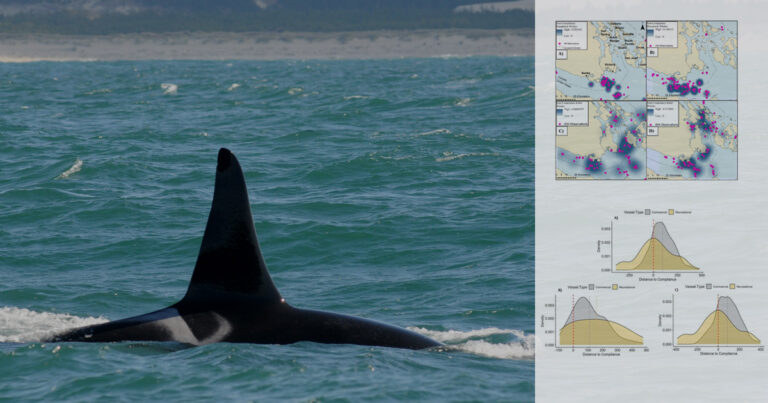
The rise of vessel traffic, the growth of the whale watching industry, increased interactions between whales and small vessels, and the precarious existence of Southern Residents in particular, has given rise to some regulations from the federal government that attempt to mitigate the harm these interactions pose…
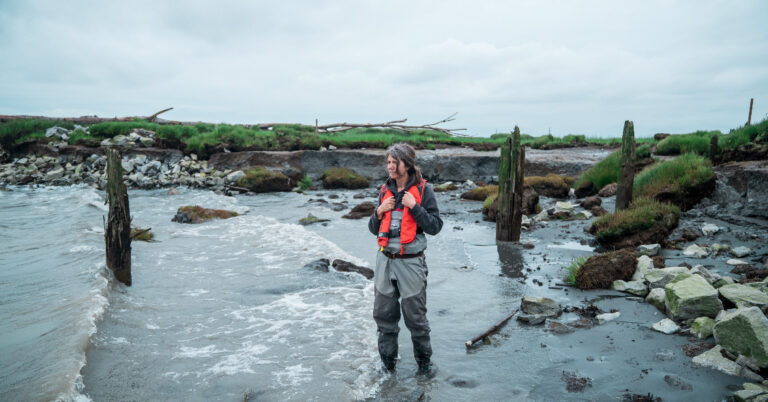
In a six page letter (PDF) to the CEO of the Vancouver Fraser Port Authority, Canada’s minister of Environment and Climate Change, Jonathan Wilkinson, requested more information from the Port to assess the effectiveness of mitigation efforts in the proposed expansion of Terminal 2 on Roberts Bank. Wikinson’s letter conveyed the panel’s conclusion about likely adverse effects to fish, fish habitat and other at-risk species if Terminal 2 proceeds…

41 environmental and sustainability organizations in Washington State have written Governor Jay Inslee (PDF) asking him to oppose RBT2 on behalf of Washingtonians and the environmental, cultural and economic resources of Washington state…
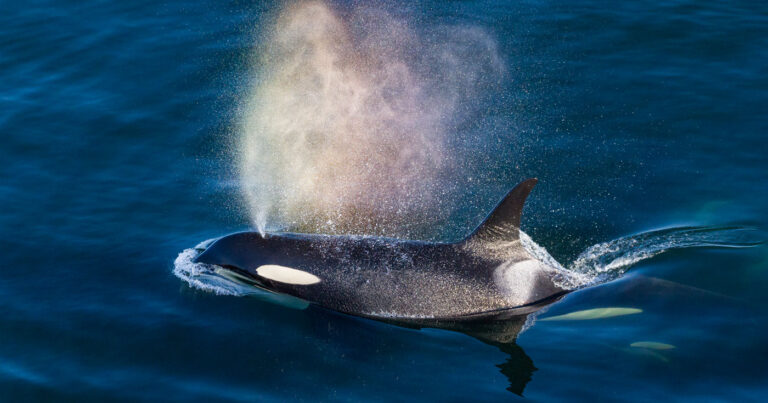
The shipping expansion at the Deltaport terminal will place further stress on the Fraser estuary that has already lost more than 70% of its natural habitat. Raincoast is particularly concerned about the impacts from the terminal on Fraser Chinook salmon and Southern Resident killer whales…

The book was produced to accompany the Royal BC Museum’s 2020 feature exhibition Orcas: Our Shared Future which, due to the pandemic, is rescheduled to now open in May 2021…
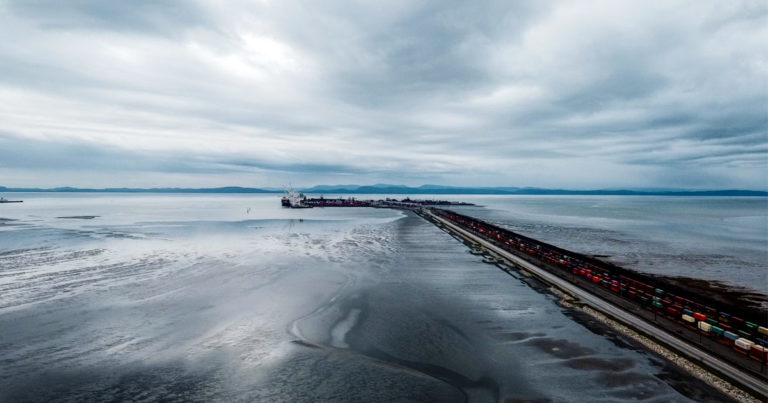
The Port of Vancouver is proposing to double the size of its shipping terminal beside the Tsawwassen Ferry Terminal, putting further stress on an estuary that has already lost more than 70% of its natural habitat…