

Raincoast’s flagship projects
Through directed conservation efforts on umbrella species, Raincoast strives to protect all species and ecosystem processes existing along the British Columbia coastline.
We use on-the-ground, peer-reviewed science to further these objectives and more accurately understand the complexities of the coastal ecosystem. By furthering our knowledge base we are better equipped to both influence decision makers and inspire the public in an effort to conserve and protect the wild salmon, herring, grizzly bears, wolves, marine mammals, and marine birds, who make this coast their home.
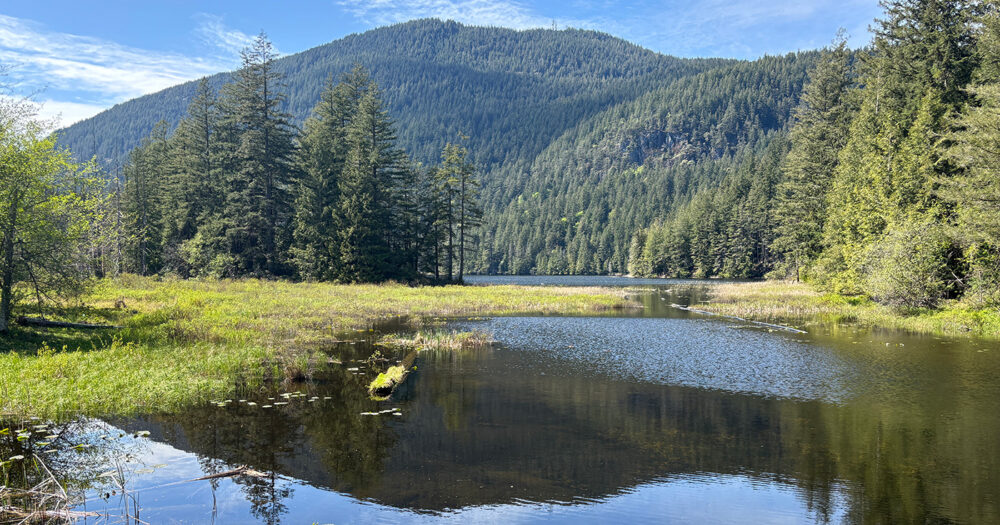
Water connects us all
How can we protect Bowen Island’s freshwater future?
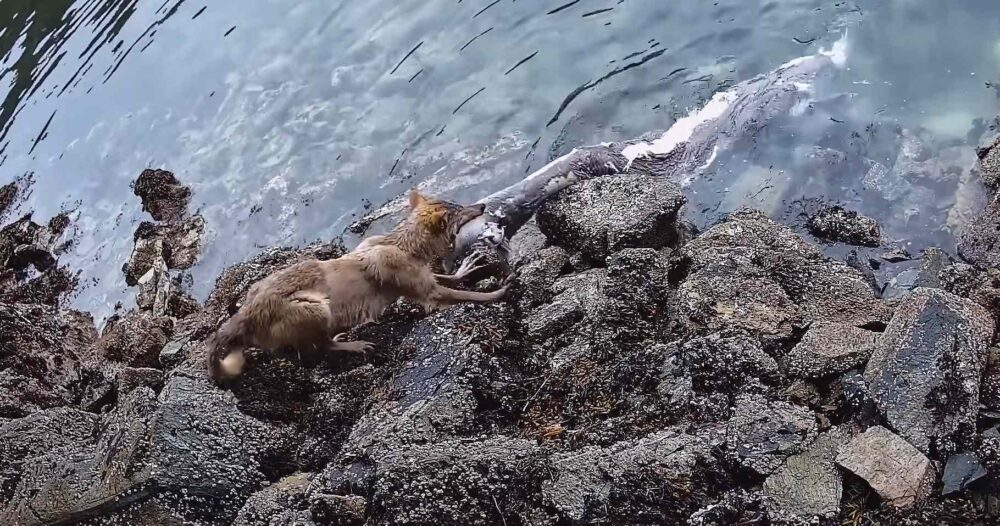
The wild diet of sea wolves
Camera-trap footage offers a rare glimpse into the unique ecology of coastal wolves scavenging on a Pacific sleeper shark.
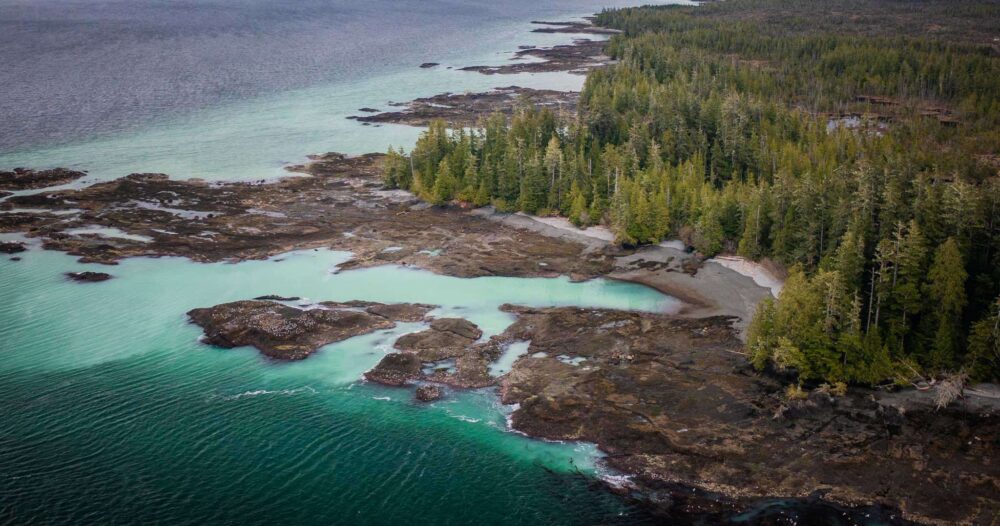
Raincoast scientists summarize decades of literature so you can understand what’s happening on the coast
New fact-sheets make the science clear, with the goal of educating the public in challenging times.
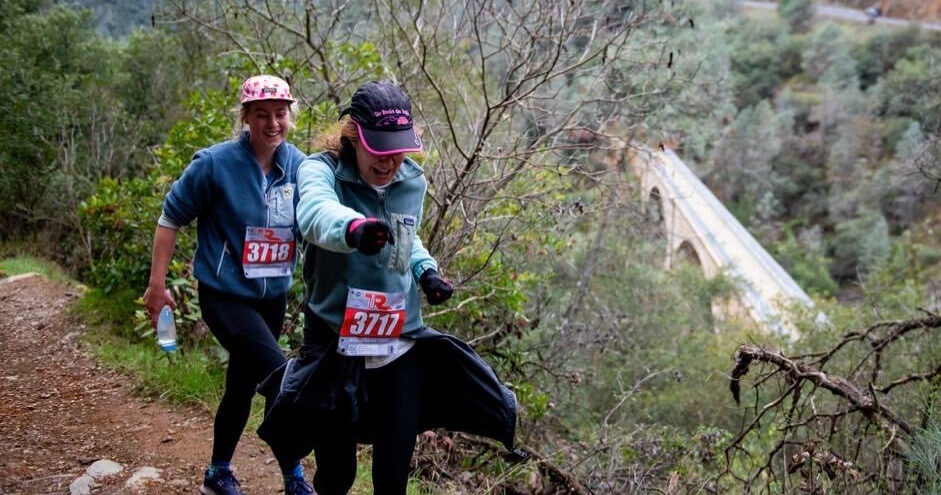
Race for Raincoast! Turning sweat into support
Turn your upcoming physical challenge into a fundraiser to support conservation.
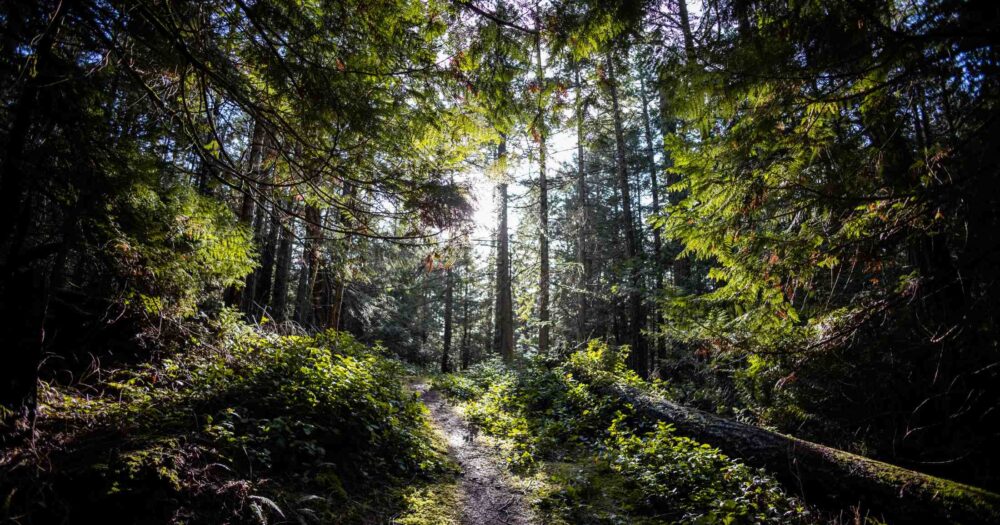
Charitable remainder trusts
Support Raincoast while continuing to receive income.
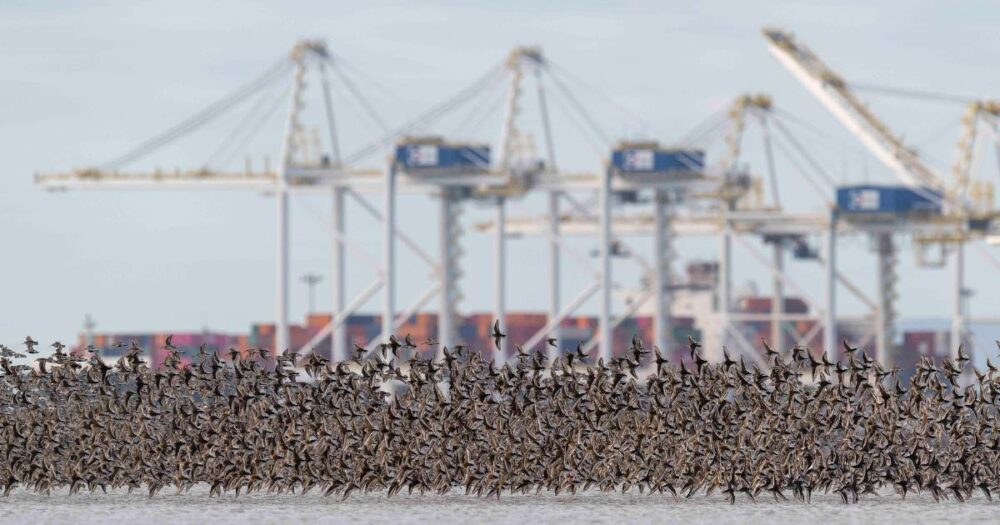
Listing Roberts Bank Terminal 2 as a Project of National Interest
The evidence does not support treating this project as being in the national interest.

A new tee collaboration inspired by the wild coast: Nikki McClure x Raincoast x Anian
Wear what you stand for.