

Hydrocarbon levels in the Fraser River Estuary threaten salmon as Ottawa considers new oil infrastructure
A new report on water quality in the Fraser River Estuary should give us pause on pipelines.
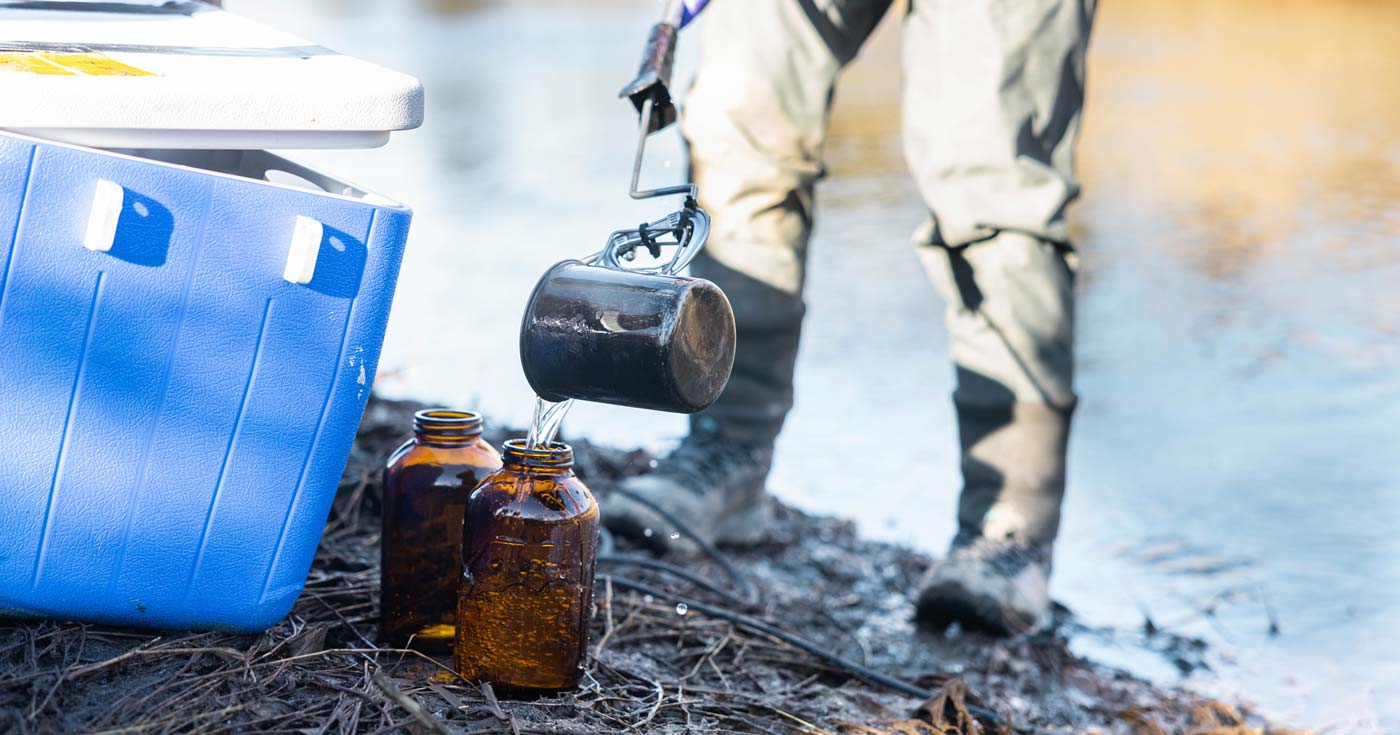
SIDNEY, BC, CANADA: A new study released by Raincoast Conservation Foundation reveals a widespread degradation of fish habitat in the Fraser River Estuary. This degradation can be largely attributed to high concentrations of polycyclic aromatic hydrocarbons (PAHs), toxic chemicals that can harm or kill developing fish, even at very low concentrations. These findings raise new concerns about the additional risks related to the expansion of the Roberts Bank Terminal and the proposed construction of a new West Coast Oil Pipeline.
Other pollutants were also examined. Samples of water and sediment collected from various sites in the North Arm, South Arm, and the upper estuary were also analysed for pesticides, pharmaceuticals, and other industrial chemicals.
Key findings from the report
In water:
- Fraser River North Arm water samples had 1.4 times higher concentrations of most contaminants compared to the South Arm, with the exception of pharmaceuticals, sucralose, and alkylphenol ethoxylates, that were 1.9 times higher in the South Arm water.
- There were 237 contaminants detected in the North Arm water out of 587 examined, compared to the 213 contaminants detected in the South Arm.
- There were 36 exceedances of Environmental Quality Guidelines in water, with 16 in the North Arm, 16 in South Arm, and 4 in the upstream sample.
- These water exceedances included Aluminum (Al; 10), Iron (Fe; 10), Silver (Ag; 2) and Ammonia (NH3 ; 4). There were 6 exceedances of Health Canada Recreational Use Guidelines for E. coli.
In sediments:
- There were 40 exceedances of Environmental Quality Guidelines, with 37 of these in the North Arm, and three in the South Arm. There were no exceedances in the sediment sample from the upstream sample.
- These sediment exceedances were dominated by Polycyclic Aromatic Hydrocarbons (PAH; 29), followed by Dioxins and Furans (DFs; 6), pesticides (n=3), Polychlorinated Biphenyls (PCBs; 1), and Polybrominated Diphenyl Ethers (PBDEs/flame retardants; 1).
- Average total sediment contaminant concentrations were 6.5 times higher in the North Arm than in the South Arm.
- The average number of contaminants detected was 298 in the North Arm sediment samples out of 420 sought, compared to the 281 in the South Arm, and 269 in the upstream Main Stem site.
Overall:
- The findings underscore the contribution of many sources of urban and agricultural pollutants in the Fraser River Estuary, however, hydrocarbons dominated concerns with the majority of exceedances of Environmental Quality Guidelines.
- A forensic evaluation of PAH signatures in the samples suggest that hydrocarbons from industrial activities, road runoff, and smoke are degrading fish habitat.
The Fraser River Estuary represents a biodiversity hotspot in the Salish Sea, providing vital habitat for forage fish, salmon, seabirds, and marine mammals. The estuary provides the heart of salmon rearing habitat, where all species feed and grow on their way to sea. It is again used as a migration corridor for spawning adults transiting back into the Fraser River where they will seek out their natal streams. There is no time of year when some life-stage of salmon is not present in the Fraser River Estuary .
The degradation of fish habitat evidenced in this report raises important questions about the prospects of further industrial expansion in the Fraser River Estuary. This ecological stronghold provides vital habitat for salmon with a foodweb that supports fish, birds, endangered killer whales, and people. Turning the Fraser River Estuary into a superport for ships and oil tankers increases routine operational discharges of oil and oily wastewater from vessel and shore-based activities, harming the fragile foodweb that it reaches, even without a large accident.
Citation
Scott S, Roper P, Scott D, Noel M, and Ross PS. 2026. Fraser River Estuary fish habitat: Contaminant concentrations, profiles and risks in water and sediment. Raincoast Conservation Foundation. https://doi.org/10.70766/9.66067