
Working toward an Oil-Free Coast
One of the greatest threats to habitat quality on the BC coast is increased oil transport through these waters. The threat of harm from diluted bitumen spills and increased vessel traffic are the motivation for our work. Raincoast has worked for more than ten years against oil expansion projects in BC, through on-the-ground research, participation as intervenors in CEAA and NEB review processes, legal action in the courts, and grassroots activism. The projects in our efforts for an Oil-Free Coast are listed below.

Harrison River watershed: Water quality report for the 2024-25 wet season
A total of 9 water samples were collected from field…
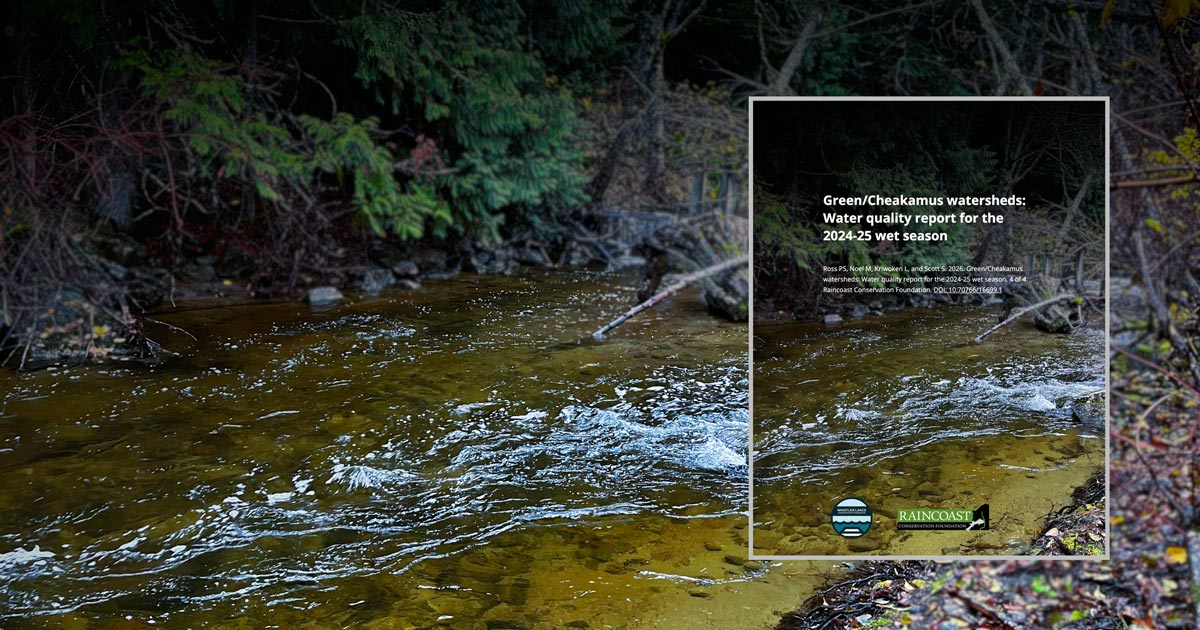
Green/Cheakamus watersheds: Water quality report for the 2024-25 wet season
A total of 16 water samples were collected from field…
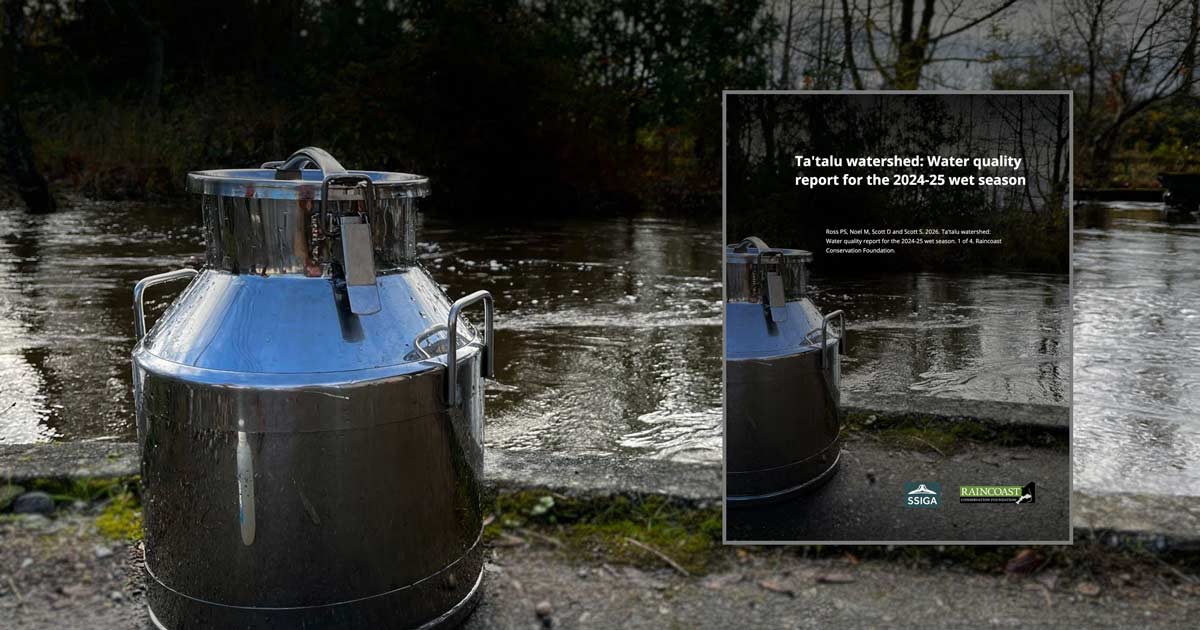
Ta’talu watershed: Water quality report for the 2024-25 wet season
This preliminary assessment of water quality in the Ta’talu watershed…
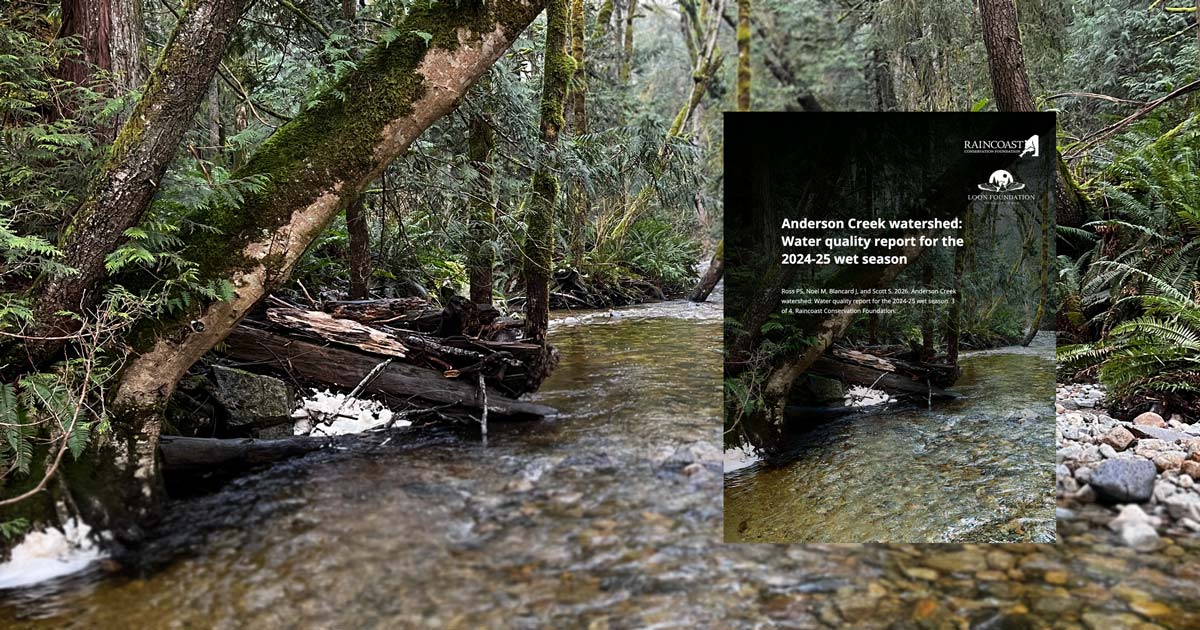
Anderson Creek watershed: Water quality report for the 2024-25 wet season
A total of 12 water samples were collected from field…
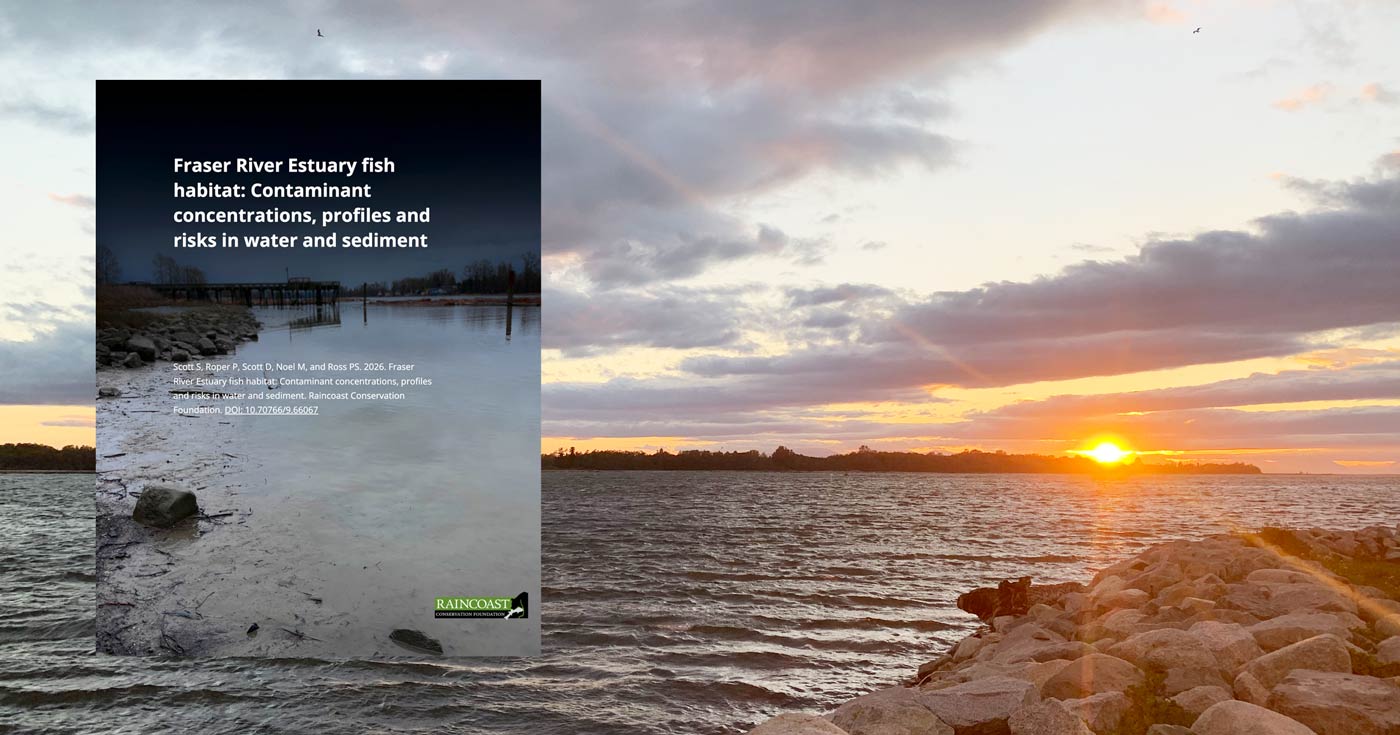
Fraser River Estuary fish habitat: Contaminant concentrations, profiles and risks in water and sediment
Scott S, Roper P, Scott DC, Noel M, Ross PS.…

Water quality monitoring strategies for Metro Vancouver
Clean water is vital to people and wildlife in the…