Long-term research on long-lived species takes a village
We’re listening to protect killer whales, and we need your help to make our 2026 field season happen.
Thank you so much to everyone who has donated and supported our Listening to Protect campaign through December.
The funding you have provided is actively helping us better understand killer whale communication; we are currently tackling the detailed and collaborative process of analysing the massive amounts of data collected. We are meticulously sorting all the information we collected during our 2025 field season, coding vocalizations and behaviours, and aligning them by time to create a single, synchronized, multi modal data set. This process is allowing us to begin exploring patterns and relationships as we align overhead drone footage, underwater acoustic recordings, time-stamped field notes and behavioural observations. Thanks to your support, we are able to do this detailed analysis of our data from last season. Species as long-lived and complex as killer whales need long-term study and durable funding. Our next objective is to cover our 2026 field season aboard Achiever to continue to collect data and learn how to protect these vital communication systems.
What are we discovering?
One of our early focus areas for this project is communication between killer whale mothers and calves. Some of nature’s most devoted mothers, killer whales spend years and incur substantial costs raising their offspring, who will typically remain with them for their entire lives. However, they do occasionally separate from their calves, often leaving them in the care of older siblings or other close relatives. How do mothers and calves stay in contact when they aren’t physically together?
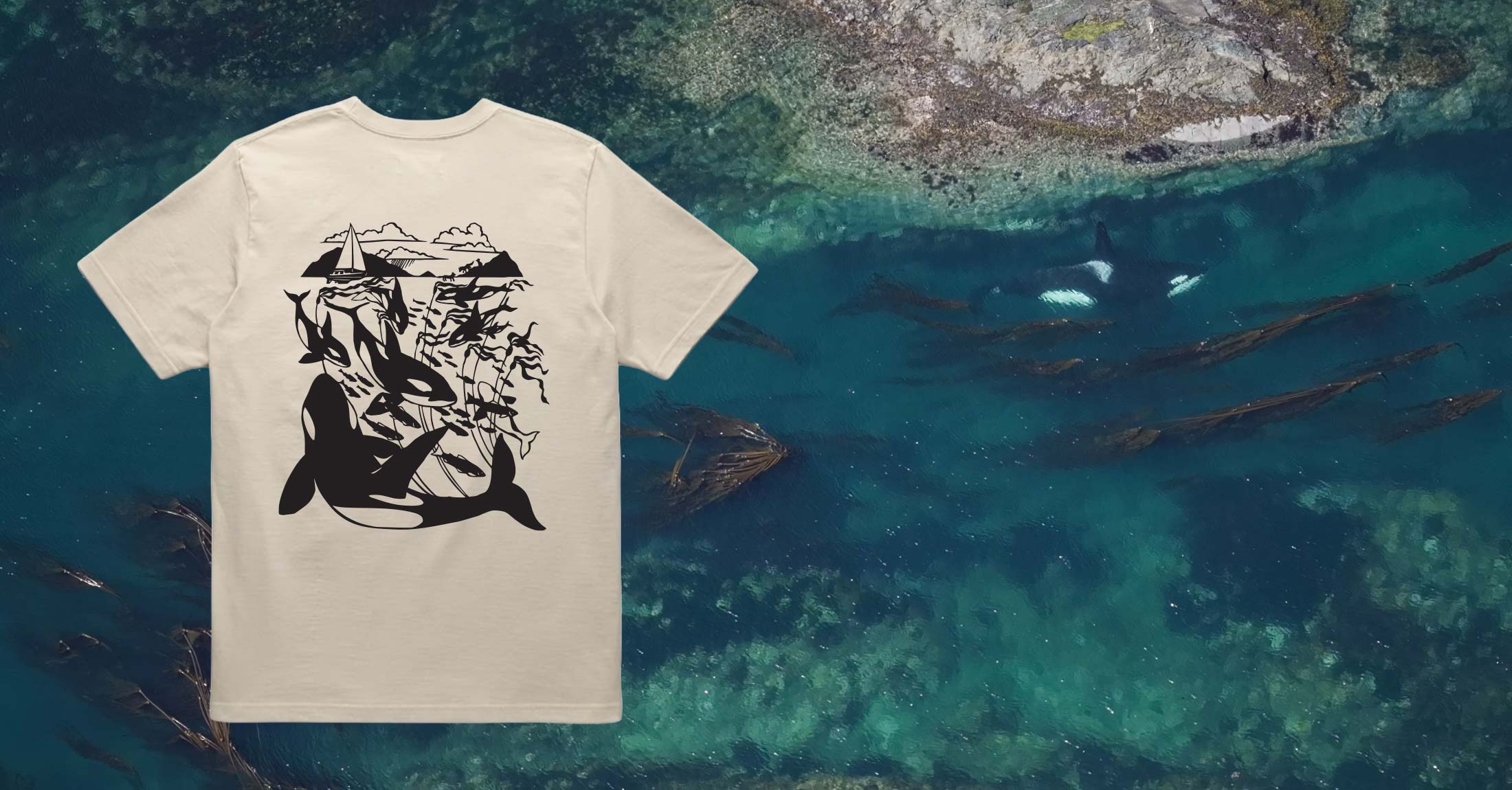
In this video, A123 (a five-year-old female) is separated from her mother (A50), travelling instead with her much-older sister A72 and A72’s two offspring. A few seconds in, A123 starts to break away from the group, swimming quickly and purposefully toward something out of frame. She slows down and is met by her mother, swimming directly toward her from the opposite direction.
Interestingly, A123 appears to begin nursing from her mother as soon as they reunite. As Northern Resident killer whales are generally thought to be weaned before four years of age, this is somewhat unusual and could indicate that age at weaning is more variable than previously thought.
In the Listening to Protect project, we pair video footage such as this one with concurrent audio recordings to understand how killer whales use sound across different social contexts. Reunions between mother-calf pairs, like A50 and A123 finding each other again after a period of separation, are just one example of the many communication functions we aim to explore further.1
We have an updated ambitious goal that will make it possible for our team to continue this work in 2026 and beyond, and you can help. By truly listening, we can understand them in ways never before possible.
This is how we can better advocate for them. This is how we listen to protect them.
Notes and references
- In March of 2026, Listening to Protect entered phase two and became Give Killer Whales a Voice.