

Dylan Smyth, MSc Student
Cetacean Conservation Program Associate
Dylan is an aquatic sciences technician with a focus on marine mammal ecology and conservation. After graduating in 2015 with a Bachelor of Science, Dylan spent several years working on various projects involving juvenile salmon survival before switching gears to marine mammals. He loves being on the water, playing with boats, drones, and various other scientific toys. His keen interest, and ear, for marine mammal acoustics has given him the privilege of working with a variety of organizations such as OrcaLab, Ocean Wise, and DFO.
After nearly 10 years of field work up and down British Columbia’s coastline, Dylan is now returning to school to pursue a Masters degree with the University of the Algarve in Portugal. Working closely in collaboration with Raincoast and Simon Fraser University, his research will investigate the effects of anthropogenic noise on southern resident killer whale call type selection.

Recent articles

Marsh restoration projects in the Lower Fraser River; No.2 Road
Using big tools for small salmon.
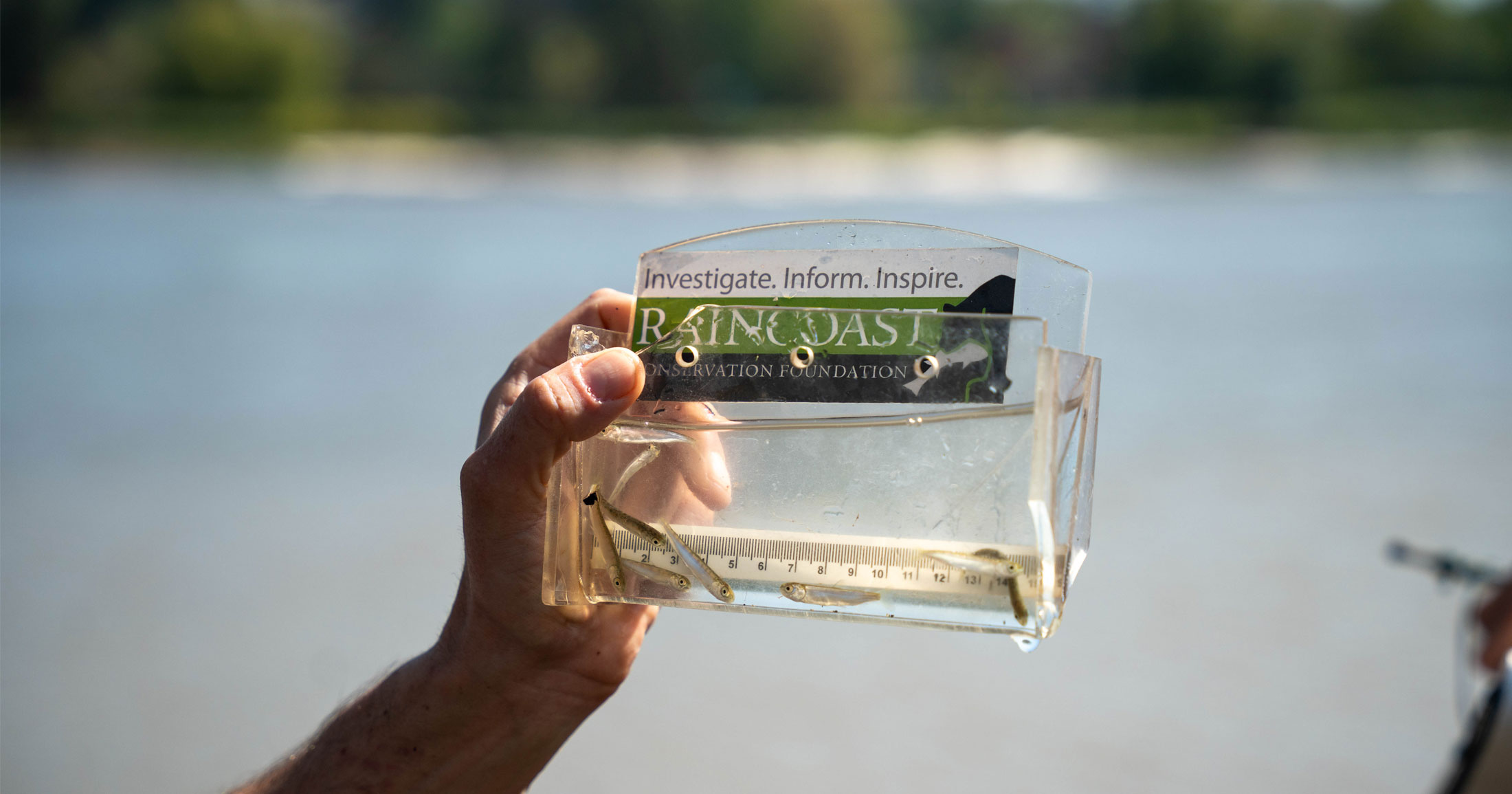
Study: Young Fraser River Chinook salmon swimming in chemical soup
There’s a mixture of chemicals in the Lower Fraser, which…

So you live in B.C., but you’re mostly finding Alaska-caught salmon in stores. Why?
We need to talk about cost, complexities, what “sustainable salmon”…

Weakening SARA’s “jeopardy clause” would directly jeopardize Canada’s endangered wildlife
This decision could push species already struggling into extinction. You…

Canada’s Species at Risk Act is, itself, at risk
Action alert: It’s not just endangered species being undermined by…

Study: Toxic hydrocarbon hotspots in BC coastal sediments, threatening Southern Resident killer whales and Chinook salmon
Burgeoning marine traffic to bring more toxic hydrocarbons to killer…

Give killer whales a voice…for years to come
What it takes to power conservation that lasts.

To restore salmon habitat, one must act like the beaver
Rebuilding riparian habitat, one stick at a time.