

Dylan Smyth, MSc Student
Cetacean Conservation Program Associate
Dylan is an aquatic sciences technician with a focus on marine mammal ecology and conservation. After graduating in 2015 with a Bachelor of Science, Dylan spent several years working on various projects involving juvenile salmon survival before switching gears to marine mammals. He loves being on the water, playing with boats, drones, and various other scientific toys. His keen interest, and ear, for marine mammal acoustics has given him the privilege of working with a variety of organizations such as OrcaLab, Ocean Wise, and DFO.
After nearly 10 years of field work up and down British Columbia’s coastline, Dylan is now returning to school to pursue a Masters degree with the University of the Algarve in Portugal. Working closely in collaboration with Raincoast and Simon Fraser University, his research will investigate the effects of anthropogenic noise on southern resident killer whale call type selection.

Recent articles
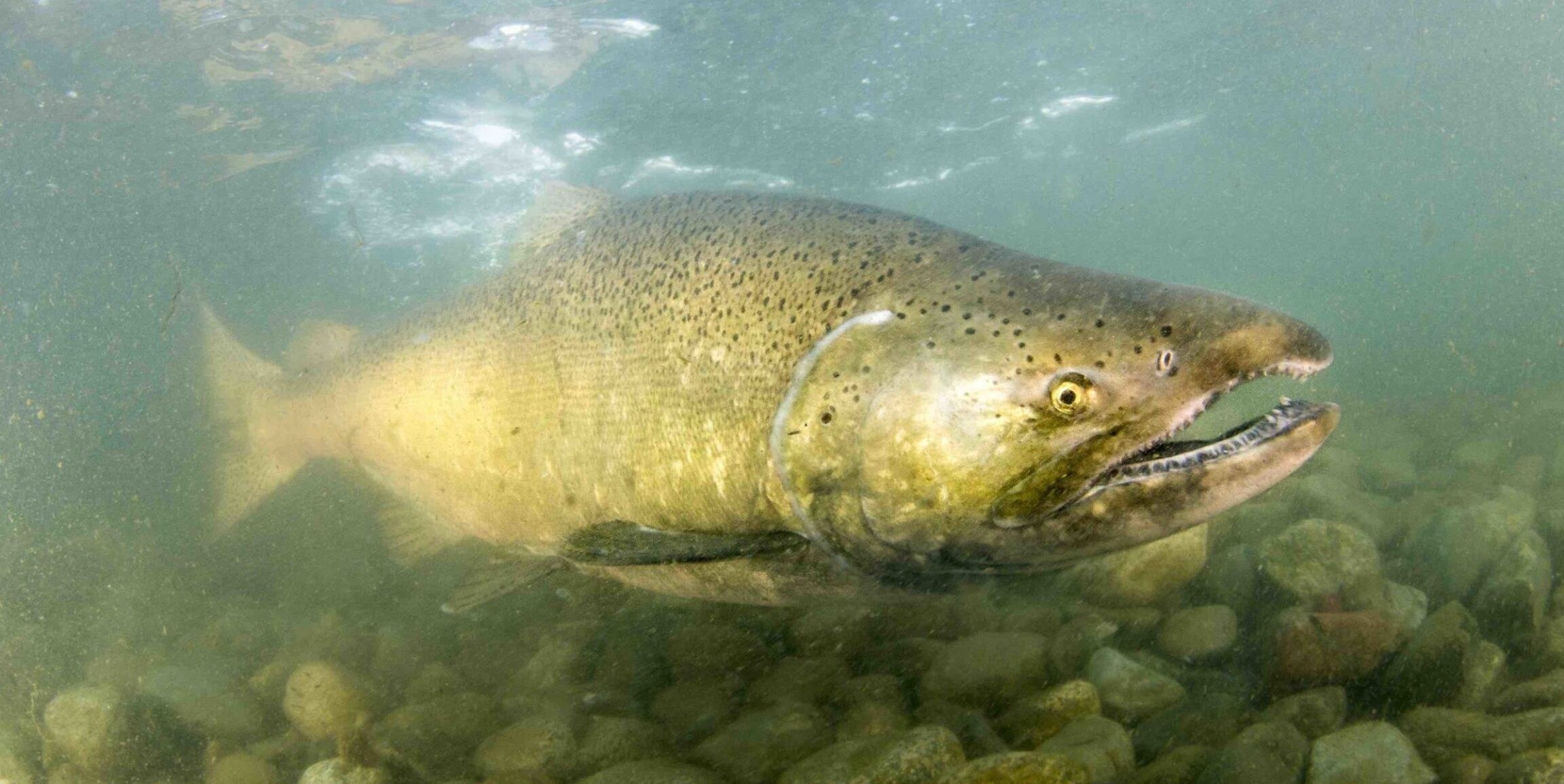
Harvesting immature Chinook salmon can shrink size and reduce future returns
New research highlights the problems of modern fisheries.
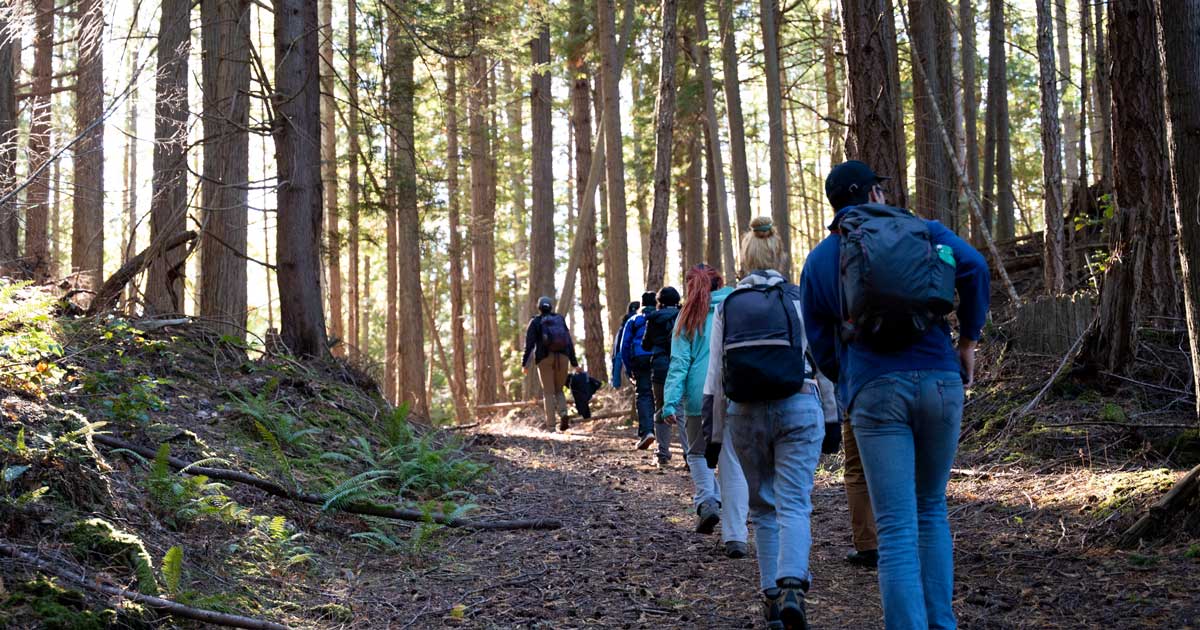
Sea-to-soil expeditions throughout the Salish Sea
As we set sail on our next Land Healing Stewards…

Raincoast’s feedback on Getting Major Projects Built in Canada
The government’s proposed dismantling of a key clause has significant…

A meaningful excuse to plan a party: Peer-to-peer fundraising!
Ways to involve family and friends in supporting Raincoast.

Marsh restoration projects in the Lower Fraser River; Woods Island
Restoring a 30 year old compensation site to support salmon.

Endangered caribou, wolves, and ecological integrity
Killing wolves to protect caribou may accelerate ecological decline and…

Goodness Grey-cious!
A surprise visit from a grey whale in Swanson Channel.

Wolf ecotypes in BC
Understanding the ecotype of recovering wolves is critical for conservation,…