Learning from the land and each other
Five transformative days filled with immersive learning and healing in the Salish Sea.
Land Healing Stewards (LHS) is Raincoast’s forest education initiative that blends place-based learning and habitat restoration, with a particular focus on Coastal Douglas-fir ecosystems of the Salish Sea. LHS was created to be a learner-guided education program that brings together local communities and creates opportunities for those often excluded from conservation spaces, all while learning and helping to restore and protect vulnerable ecosystems.
Now in our second year, we delivered another multi-day sea-to-soil expedition aboard the SV Achiever, one of our core program offerings. A group of 8 BIPOC and 2SLGBTQ+ youth from the Victoria and Vancouver regions came together to learn, connect, and explore the coastal habitats of the Southern Gulf Islands, which kicked off with a day and a half of restoration and monitoring at KELÁ_EKE Kingfisher Forest on S,DÁYES (Pender Islands).
Facilitated by LHS co-leaders Priya Puri (Forest Conservation Program) and Pascale Campagna-Slater (Salish Sea Emerging Stewards), and the crew of Achiever, Drew Grav-Graham and John Kelsey, our goal for this cohort was to create space for peer-to-peer learning and deeper discussions, while engaging in hands-on learning and restoration.

Connecting with the land
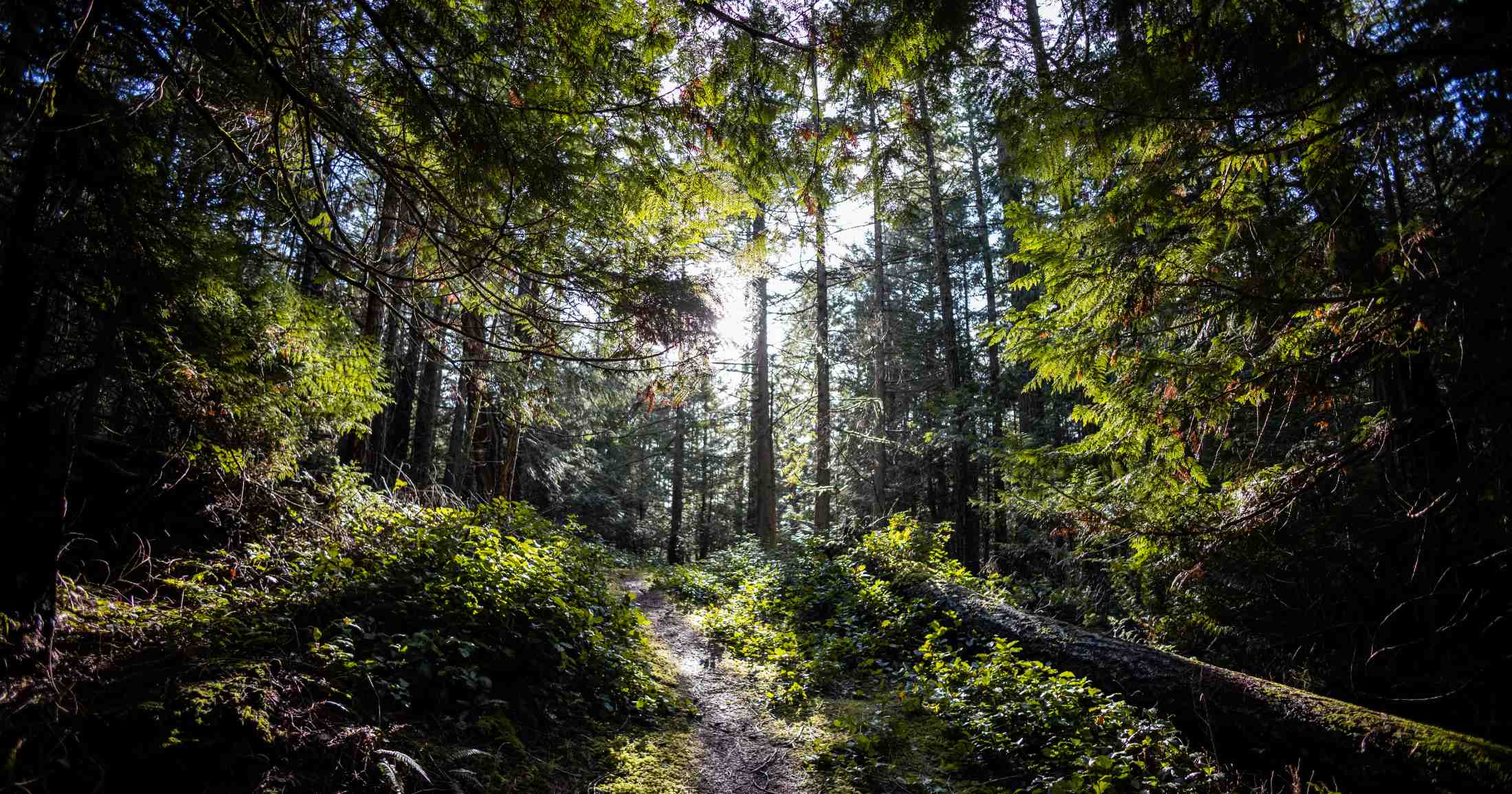
A key component of our multi-day sailing trips is spending time at KELÁ_EKE Kingfisher Forest, where youth participants engage in forest education and ecological restoration. This protected conservation area provides the perfect space for connection with each other and the land.
We began by taking time to acknowledge and learn about the W̱SÁNEĆ communities who have stewarded these lands since time immemorial. At the time of our trip, we were approaching ĆENQÁLES (‘hot earth season’ or ‘time of heat’), which is a time of year that encapsulates several phases of the W̱SÁNEĆ 13 Moons Calendar (read about the calendar and hear the moon names).
The moon phases that occur during what is referred to as spring and summer are phases grounded in connection with the land and community-based stewardship. It is a time of abundance – abundant harvest, learning, and relationships. The W̱SÁNEĆ 13 Moons Calendar embodies the teaching of ȻENEṈITEL – doing good work together,,. 1 2 3
Carrying our learnings with us, we aimed to start our days in the forest grounded in place by drawing on forest bathing practices. Forest bathing, traditionally known as shinrin-yoku, is a now widely adopted Japanese practice aimed at self-healing and building mindfulness through intentional connection to nature. Forest bathing is also an excellent way to build observational awareness that is essential to many types of forest conservation activities, such as ecological monitoring. After taking time to engage their senses, the group was ready to take a walk through KELÁ_EKE Kingfisher Forest with a sense of calm and care.


As we walked through the forest, we were quickly able to see evidence of past disturbances and discussed what type of conservation action could be taken to restore the ecological and cultural integrity of this forest. Covering everything from tree identification to forest management to plant diseases, our walk through the forest prompted lively group discussions, peer knowledge sharing, and moments of intentional observation.
Diving into restoration activities next, our group of land healing stewards embodied the spirit of ‘doing good work together’ by successfully building an assembled nurse log, constructing a natural deer fence, and mulching the hundreds of freshly planted native species in the restored wetland. The afternoon of hands-on restoration led to terrific teamwork and peer leadership, all while contributing to vital land healing.
“I think it made the entire approach to conservation much more whole in a way. I was able to experience hands-on work, observe what has already been done, and imagine how the future might look.” – Juliette


Returning the next day to KELÁ_EKE Kingfisher Forest, we started by visiting Gardom Pond, an existing wetland within the forest, where there has been extensive effort to manage invasive reed canary grass and restore native plant biodiversity to the riparian area. An impromptu group discussion was sparked by one of our land healing stewards who shared a lesson taught by a Knowledge Keeper from the Songhees Nation of the lək̓ʷəŋən (Lekwungen) Territory. We were reminded to approach introduced species that are classified as invasive with compassion because, after all, they are a living organism in a foreign landscape trying to find their home, and they do not know they are ‘invasive’. A thoughtful peer discussion followed, covering themes of climate change adaptation, plant ethics, and conservation culture.
“I have so much to take back and share from this trip. Not only the practical skills, but perhaps more importantly, all the incredible ideas and knowledge from the amazing conversations we had.” – Jaanasheen
Feeling inspired by plants and each other, we then made our way into the forest understorey, finding a particularly mossy spot to learn about vegetation monitoring. Once again showing their exemplary teamwork skills, the group worked together to survey their understorey vegetation quadrats, practice their plant identification skills, and immerse themselves in ecological monitoring.
Ending their morning off with a Pacific Northwest Plant Knowledge Card quiz, the group left KELÁ_EKE Kingfisher Forest with a deeper understanding of each other and the land, and ready to grow their connections.


Widening our horizons
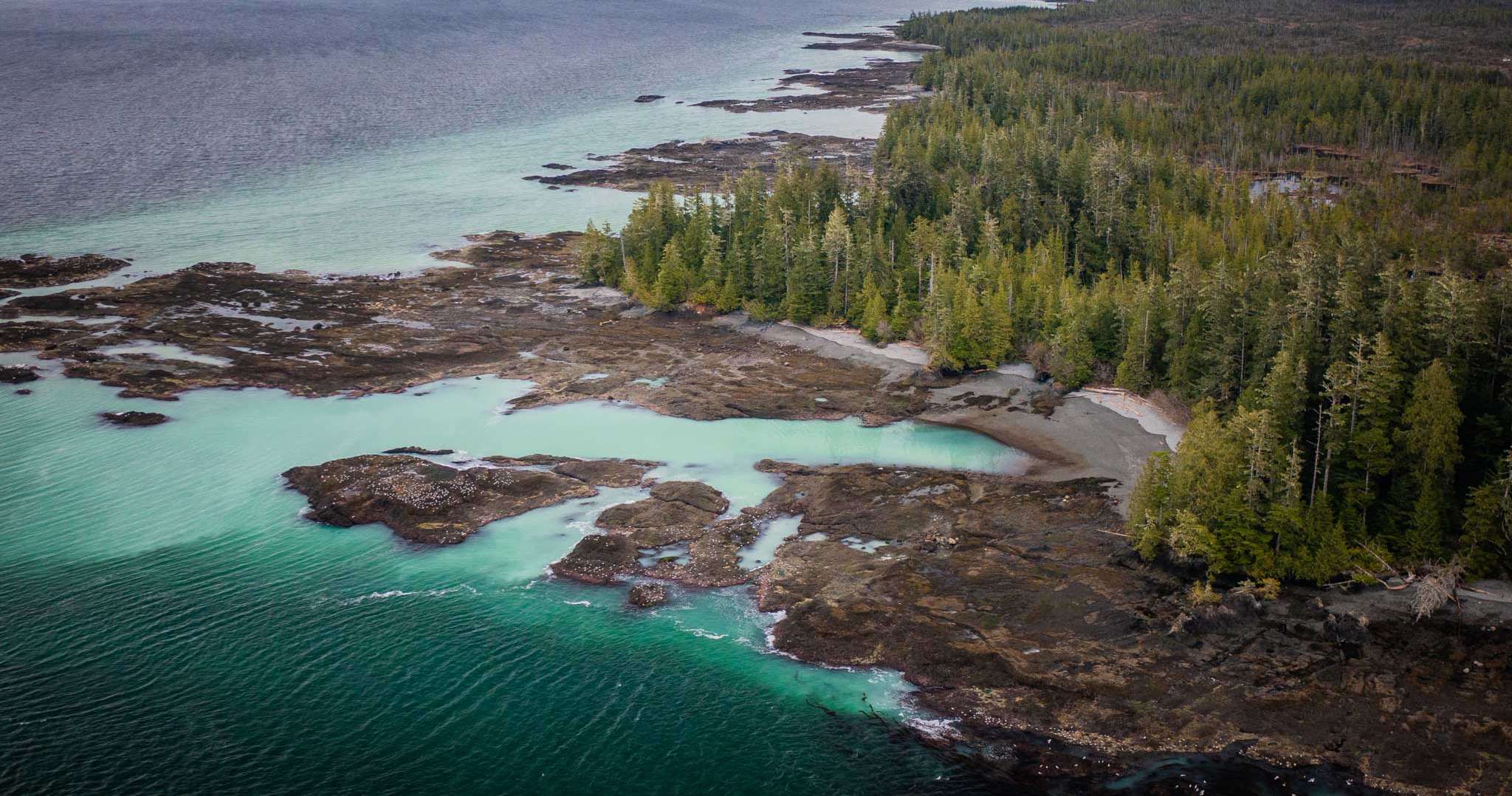
For the rest of our time, we explored various locations throughout the Southern Gulf Islands and learned about local habitats and species. Participants had ample flexible time, which allowed for bonding with each other and connecting to nature.
We were thrilled to have past LHS participant Trentön Schulz-Franco of the Special Bird Service join the group on board to guide a couple of hours of birding. Trentön taught us about many local seabird species and how to identify them, and shared birding tips that the group utilized throughout the trip.
Many bouts of strong winds allowed us to turn off the engine and glide through the Salish Sea with the sails up. With participants manning every sheet and winch, the group got hands-on sailing knowledge and the full Achiever experience. Along with knot-tying learning sessions – and a quiz! – and opportunities to take the helm, participants appreciated the balancing of land- and sea-based experiential learning.


Peer-to-peer learning
While exploring the Southern Gulf Islands, we also provided space for participants to share their expertise on topics that they are knowledgeable about and lead learning sessions. On Saturna Island, we learned about Garry oak trees and ecosystems, and how Indigenous communities tended to them since time immemorial. A beach day at Portland Island’s Shell Beach also turned into an opportunity to observe and learn about common seaweed species. On our final morning at Montague Harbour on Galiano Island, the very low tide allowed us to explore the rocky intertidal zone and observe the sea stars, sea cucumbers, crabs, and other marine invertebrates that call it home. We also observed a shell midden, an indication of an Indigenous village, which prompted a lesson on Indigenous archeology and history from one of our participants.
The crew wrapped up the trip with a quiz night, testing participants on their knowledge gained while stirring up some friendly competition. Collaborating in teams, the group one last time exemplified the teaching of ȻENEṈITEL – doing good work together.
“I loved this program so much and feel so, so grateful to have been provided the opportunity to sail, explore the Gulf Islands, learn from the land and the incredibly knowledgeable staff at Raincoast, and my peers. All without a financial barrier. After this trip, I feel recharged, curious, hopeful, and so full of love for everyone on board, the land, and the sea. I know it’s land healing, but I also feel healed” – Max


Thank you to our supporters
This trip was made possible due to the generous support of the Gencon Foundation, the Real Estate Foundation of BC, and the Drax Foundation. In addition, we thank the team of Pender Islands Conservancy for supporting the restoration activities at KELÁ_EKE Kingfisher Forest and the whole LHS program. We extend our gratitude to the PEPAKEṈ HÁUTW̱ Foundation, Special Bird Service, UBC CampOUT!, and CPAWS-BC for amplifying this opportunity. Finally, we would like to thank past Land Healing Stewards participants who shared their experiences with their peers and encouraged them to apply to the program.
- In the SENĆOŦEN language, ȻENEṈITEL (kwun-ung-eetal) has various definitions, including “working together to restore our lands and culture”. All definitions of ȻENEṈITEL are centered on working together, support, and care for each other and the land. ↩︎
- Search ‘ȻENEṈITEL’ in the SENĆOŦEN dictionary. ↩︎
- Hear ȻENEṈITEL used in a sentence. ↩︎