

Chavon Robertshaw, DipTech
Program Coordinator, Wildlife Technician
As Program Coordinator and a Wildlife Technician working with the Wolf Conservation team, Chavon studies how large carnivores, such as wolves, are recovering in wild landscapes on the South Coast of BC, and how science, paired with Indigenous knowledge, can support their protection. This research involves building relationships and collaborating with Indigenous partners, surveying large carnivores using wildlife camera traps and acoustic recorders, collecting samples for genetic analysis, and managing and analyzing a vast and growing data set.
Chavon graduated from the British Columbia Institute of Technology with a Diploma of Technology in Applied & Natural Sciences. During her time in the two-year Fish, Wildlife, and Recreation program, Chavon gained extensive scientific knowledge and hands-on training across a broad range of disciplines, including carrying out mark-recapture surveys on Pacific salmon and conducting a year-long wildlife camera project to study the potential responses of large mammals to forestry harvesting treatments and successional stages. Her practical experiences have not only honed her expertise but also instilled in her a deep passion for protecting wildlife, their habitats, and biodiversity as a whole. In her free time, she loves to hike, paint, read, and do any outdoor activity that comes her way.

Recent articles

Endangered caribou, wolves, and ecological integrity
Killing wolves to protect caribou may accelerate ecological decline and…

Goodness Grey-cious!
A surprise visit from a grey whale in Swanson Channel.

Wolf ecotypes in BC
Understanding the ecotype of recovering wolves is critical for conservation,…

Genetic legacy and ecological differences of grey wolves (Canis lupus) in southern British Columbia
Understanding the ecotype of recovering wolf populations is important for…

Marsh restoration projects in the Lower Fraser River; No.2 Road
Using big tools for small salmon.
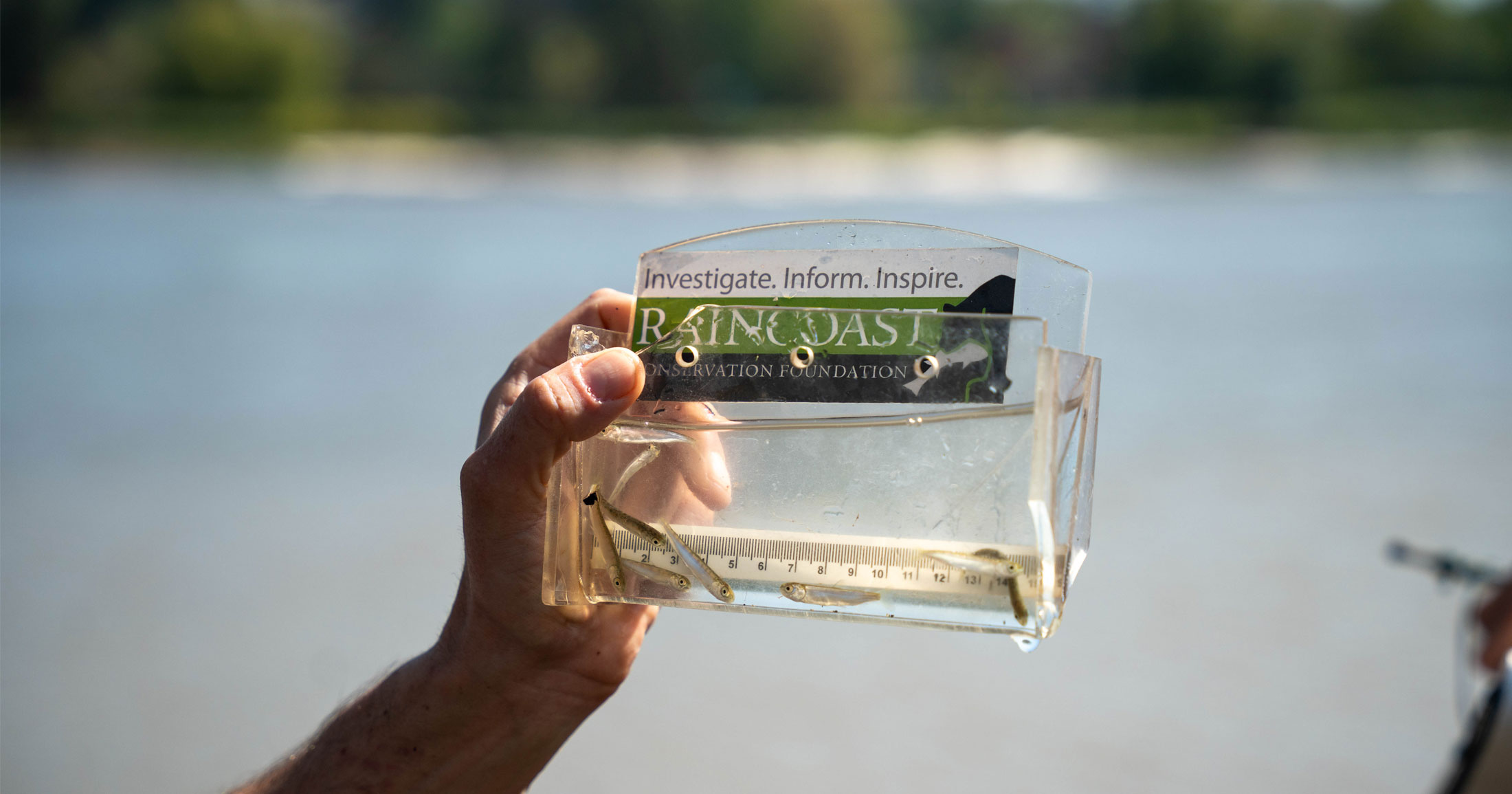
Study: Young Fraser River Chinook salmon swimming in chemical soup
There’s a mixture of chemicals in the Lower Fraser, which…