Webinar: Tree Protection and the Islands Trust
We are hosting a webinar on July 28th at noon to decode the complexities of tree and forest protection policy within the jurisdiction of the Islands Trust.

What's new // Gulf Islands Forest Project

We are hosting a webinar on July 28th at noon to decode the complexities of tree and forest protection policy within the jurisdiction of the Islands Trust.
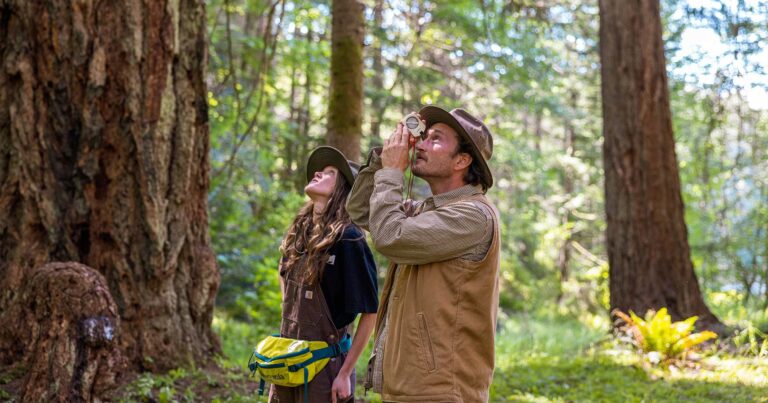
We are thrilled to be releasing video tutorials on how to measure trees that we co-created with Nerdy About Nature! We’ve learned so much from Ross Reid, the ‘nerd’ behind Nerdy About Nature, so when we were thinking about making this video resource, teaming up with him to co-create tutorial videos on how to measure trees seemed like the perfect idea.

We are very pleased to have five passionate students joining our team for the summer. Over the summer, these five youth will contribute to several of our programs, while developing their own skills.

The Gulf Islands represent 33.2% of the provincial extent of Coastal Douglas-fir forests and associated habitats which are among the most biodiverse in the province. Yet, this region is also the most degraded.
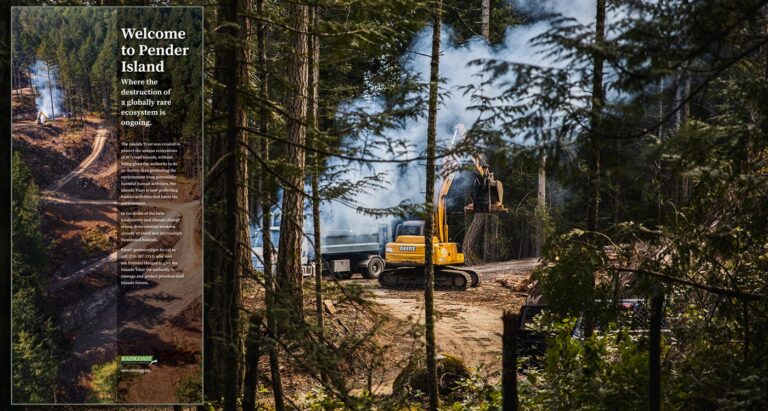
The Islands Trust was created to protect the unique ecosystems of BC’s Gulf Islands, without being given the authority to do so. But rather than protecting the environment from potentially harmful human activities, the Islands Trust is now protecting human activities that harm the environment.
The preservation and protection of BC’s Gulf Islands “for the benefit of residents of the trust area and of the province generally” has been charged to the Islands Trust. However, recent decision-making has demonstrated that a majority of Local Trustee’s are focusing on different priorities. In February, Raincoast submitted feedback as part of a public engagement process seeking input on the Islands Trust Policy Statement in two areas: climate change and affordable housing within the Islands Trust area.
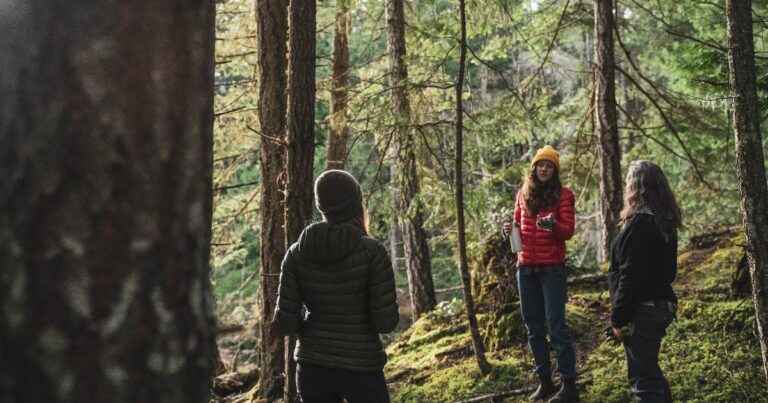
Later this month, Raincoast, along with partners, will be hosting a workshop exploring the feasibility of implementing carbon stewardship projects on the Gulf Islands and across the Coastal Douglas-fir (CDF) zone in the Salish Sea. This workshop aims to establish a civic and Indigenous community of learners. Our goal is to collaboratively develop a nature-based climate project financed from conservation, restoration and improved ecosystem management.
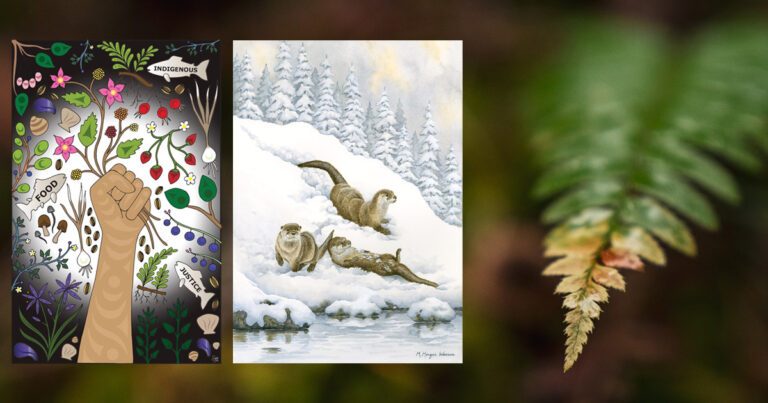
We are incredibly grateful to every person who transformed this initiative from the hopes of one person into reality, and because we cannot thank each of you individually, we wanted to recognize a few of the artists who have donated their time and talent to the permanent protection of local ecosystems.
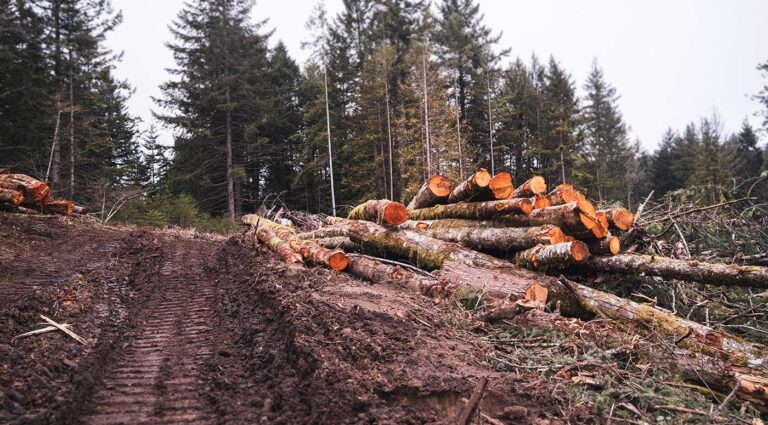
In an era where climate change is a modern reality and biodiversity is in crisis the world over, the province’s continued support of industrial logging in old growth forests is out of sync with global scientific consensus and policy objectives. This is especially true in the Coastal Douglas-fir (CDF) biogeoclimactic zone, the smallest and most endangered of 16 such zones in BC…
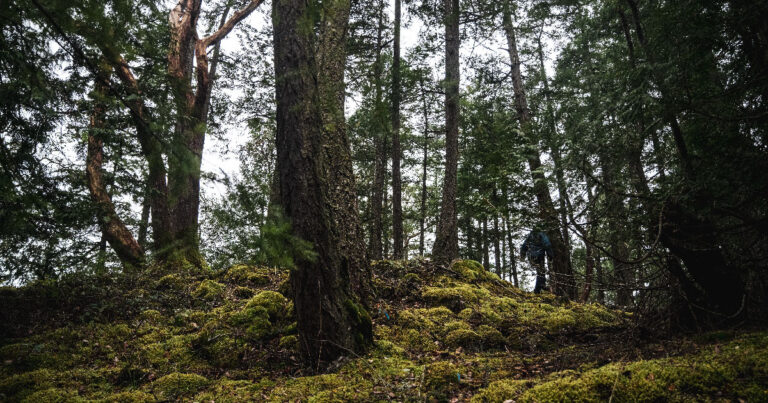
Taeven Lopatecki volunteering with the Big Tree Registry is a way of quantifiably supporting conservation and awareness for this Island and this coast that she calls home. Raincoast’s scope of work, stretching from coastal landscapes to the waters of the Salish Sea and beyond, satisfies her interest in conservation topics.
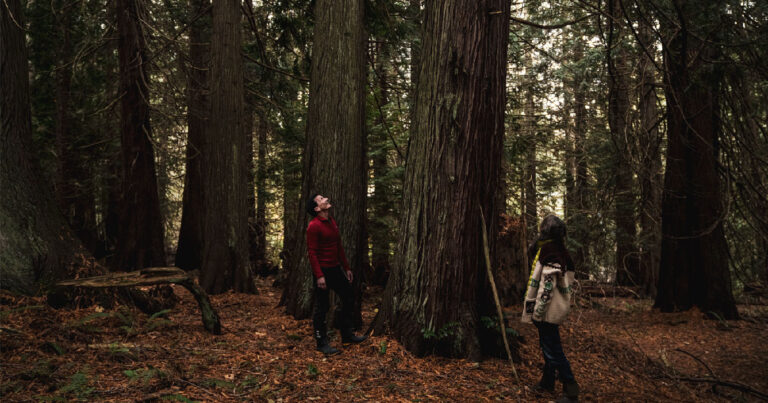
It was in late November when we launched our initiative to purchase and permanently protect the S,DÁYES Flycatcher Forest. We determined the sale price and set our goal to raise $395,000 by April. Now, less than 2 months into our 6 month fundraising campaign, we are less than $20,000 away from meeting our target…
One week into the fundraising campaign for the S,DÁYES Flycatcher Forest initiative, the Pender Islands Conservancy and Raincoast Conservation Foundation have collectively raised over $62,000 in donations…