Oil and chemical spill tracking

Spills of oil and chemicals into freshwater and ocean environments have killed fish, degraded habitat, and led to closures of commercial, recreational, and Indigenous fisheries. Raincoast’s Healthy Waters Program is positioned to collect data at the scene of a spill and collaborate with various organizations and First Nations to understand the impact of a spill. 

Tracker will host a number of rugged analytical instruments, and enable the measurement of several contaminants in the field, including coliform bacteria, nutrients, metals, pesticides, and tracers of wastewater effluent.
Photo by Peter Ross.
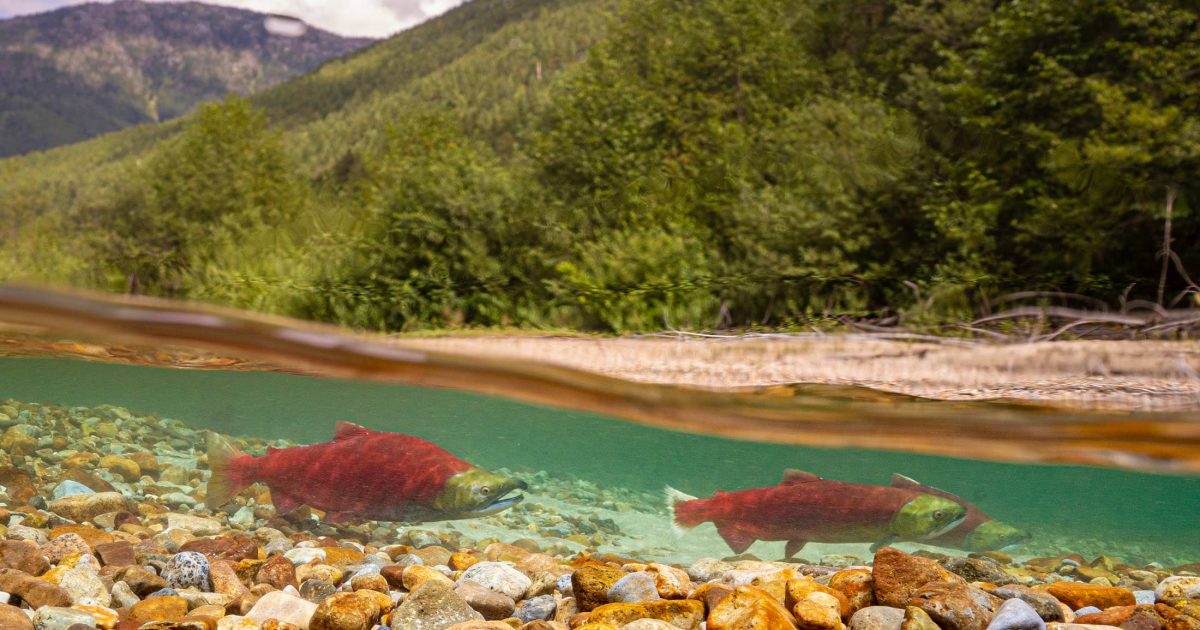
Two sockeye salmon swimming in a river.
Photo by Fernando Lessa.

Spills happen

Spills originate from all manner of accidents. The 2005 train derailment that spilled caustic soda into the Cheakamus River that killed 500,000 fish, The 2015 spill of 3,000 L of Bunker C oil from the MV Marathassa into English Bay. The 2020 fire aboard the MV ZIM Kingston in Juan de Fuca Strait that resulted in the loss of 104 mixed cargo shipping containers into the ocean. Each and every accident is bad news, and threatens the health of fish and whales, and contributes to the degradation of their habitats.

Being prepared is key

Given the sudden and unpredictable nature of oil and chemical spills, our oil and chemical spill response work entails being agile and available for support to First Nations, government agencies, and industry during a major spill. We are developing science protocols, and acquiring sampling kits, field equipment, and safety gear, and are poised to deploy our team to the scene of a spill. 

Being prepared on all fronts is key to limiting the damage from a spill. We recognize that with spills, it’s not a matter of if, but when. Research and monitoring to confirm the origin of the spill, track the fate of the spilled product, and monitor the recovery of ecosystem components routinely fails to be a priority. We will deploy expert capacity where and when needed, and work to prevent harm to valued ecosystem components.
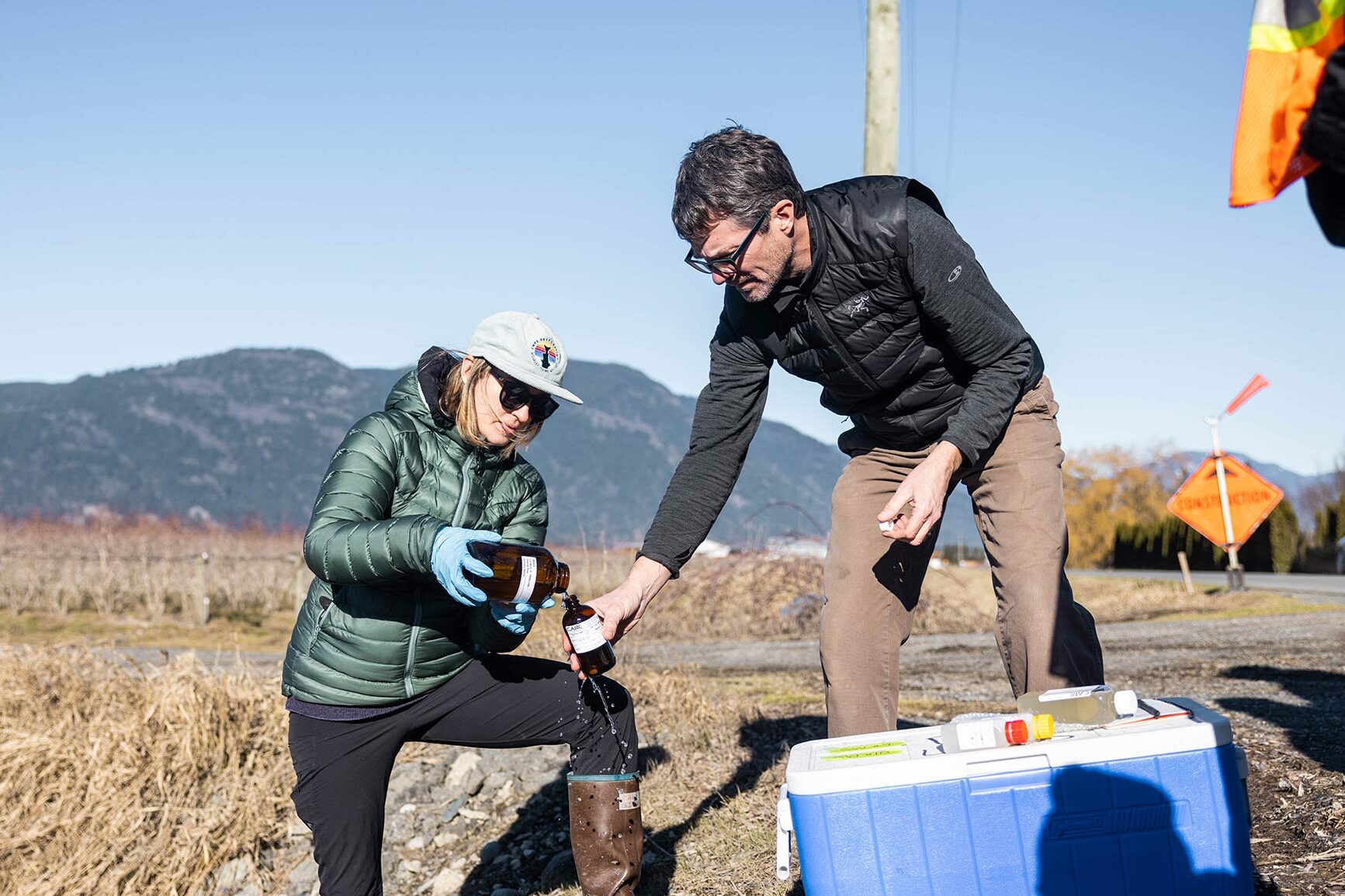
Two people working together to collect water samples in a farm field with the mountains in the background.
Photo by Alex Harris.
https://www.raincoast.org/reports/flood

Semá:th X̱ó:tsa (Sumas Lake) Floods of 2021

The catastrophic floods of late 2021 in southern British Columbia (Canada) and neighbouring Washington State (USA) destroyed homes, farms and businesses, with excess water spilling debris, animal carcasses and diesel fuel into historically productive fish habitat. 

We assembled a team to assess water quality in the former Semá:th X̱ó:tsa (Sumas Lake) area of the Fraser Valley over a seven-week period after the floods. We collected water samples from 11 surface water sites and four groundwater sites for comprehensive contaminant analysis and a subsequent risk-based evaluation. We measured 379 analytes (chemical components and bacteria), including 262 anthropogenic contaminants. We examined excess nutrients, metals, fecal coliform, hydrocarbons, pesticides, pharmaceuticals, and personal care products, perfluorinated compounds, sucralose, and tire-related chemicals.

Recent articles

dummy-img

Take the lead: On climate action

By Chris Genovali Calgary Herald, Nov 30, 2009 Re: “Climate plan will take 40 years: Prentice,” Nov. 21. Climate scientist James Hansen of NASA states we have already passed the threshold for “maximum permissible concentration of carbon dioxide in the atmosphere.”
dummy-img

Grizzly Details: Salmon Collapse Could Be Bad News for Bears

Scientific AmericanBy Anne Casselman Scientists are collecting hairs from live bears to prevent population declines as a result of declines in a principal food source: salmon. For most of May, Chris Darimont, an environmental scientist at the University of California, Santa Cruz, poured liters of fermented cattle blood mixed with pureed rotten fish guts on…
A juvenile grizzly stands at the base of an uprooted tree, situated in a wetland.

The Grizzly Bear Necessities

2008 ranked as one of the worst years for salmon returns on British Columbia’s central coast and the ‘silent fall’ I experienced there last year, while not surprising given the lack of fish, was disturbing nonetheless…
dummy-img

The Bear Necessities: A Fall Harvest of Salmon

Island Tides By Chris Darimont and Misty MacDuffee How do salmon declines affect coastal bears? And how much salmon is required to sustain wildlife? These are questions that many people are asking
dummy-img

Raincoast speaks for salmon

Fall 2009 news coverage, letters and articles voicing our concerns for wild salmon. Times Colonist, October 4, 2009 Letter to Minister, Sept 16, 2009 Notes from the Field: Sept 11, 2009 Times Colonist, Sept 9, 2009 Seaside Times, September 05, 2009 Times Colonist, August 29, 2009 Globe & Mail, August 19, 2009
dummy-img

Fraser Sockeye Collapse: Did sea lice play a role?

There has been much media attention about the factors responsible for the Fraser sockeye collapse, and whether sea lice from fish farms were a contributor. As an organization on the front lines of this issue, our research plays a pivotal role in finding an answer. In the spring of 2007, Raincoast’s field crew searched the waters…
A coastal wolf moves along the coast, rocks are in the background.

British Columbia’s Rainforest Wolves

Fall was in the air and Raincoast’s wolf project was conducting a ten day expedition on our research vessel Achiever to collect genetic samples from areas on B.C.’s north coast in the vast area known as the ‘Great Bear Rainforest.’ Arriving after sunset, we anchored in a system known to us to be a wolf…
dummy-img

The bear essentials of saving salmon

Fully protected safe havens would have positive effect on ecosystems By Chris Darimont and Misty MacDuffee Times Colonist The headlines blare across local, regional, and national media: Nine million Fraser River sockeye salmon missing. At the same time, questions have arisen concerning the status of other Pacific salmon runs