

Shifting salmon policy
Photo by Alex Harris.
Ecosystems are complex. They are communities of living organisms connected through interacting processes and features on the land, in water, and between the two. Yet BC’s antiquated environmental policy doesn’t reflect this. Colonial society governs ecosystems by siloing them into distinct ministries and resources instead of reflecting the interconnected nature of habitats that make them function in the living world. This “siloed decision making”is the root cause of many of the ecological challenges we face today.
Our policy goals
1. Manage fisheries for ecosystems
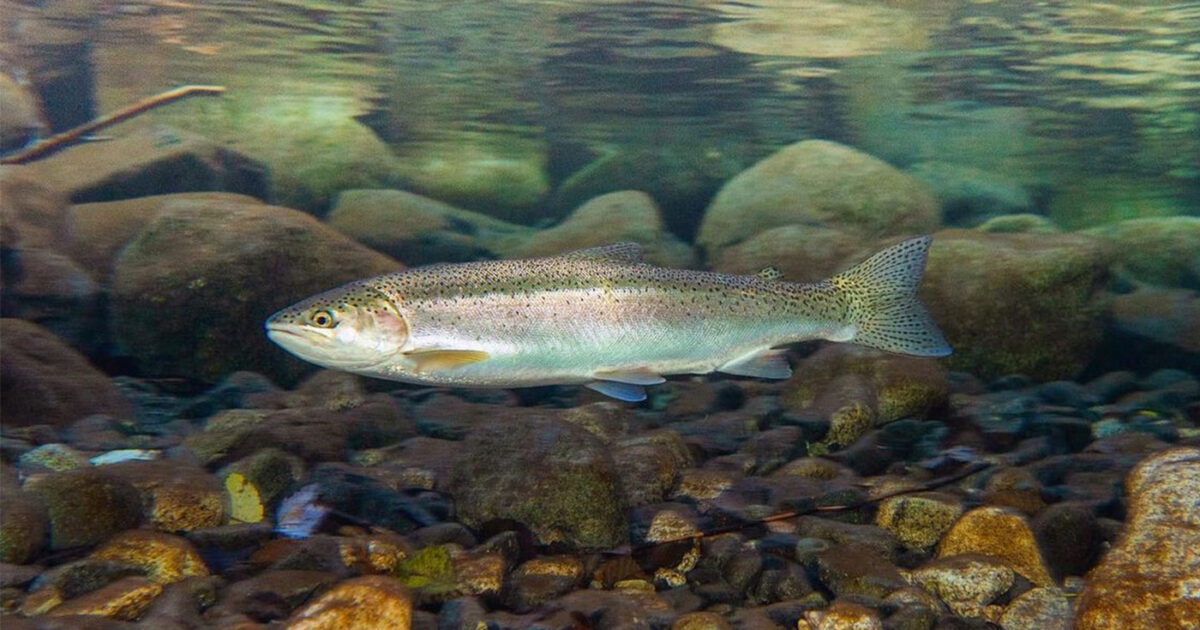
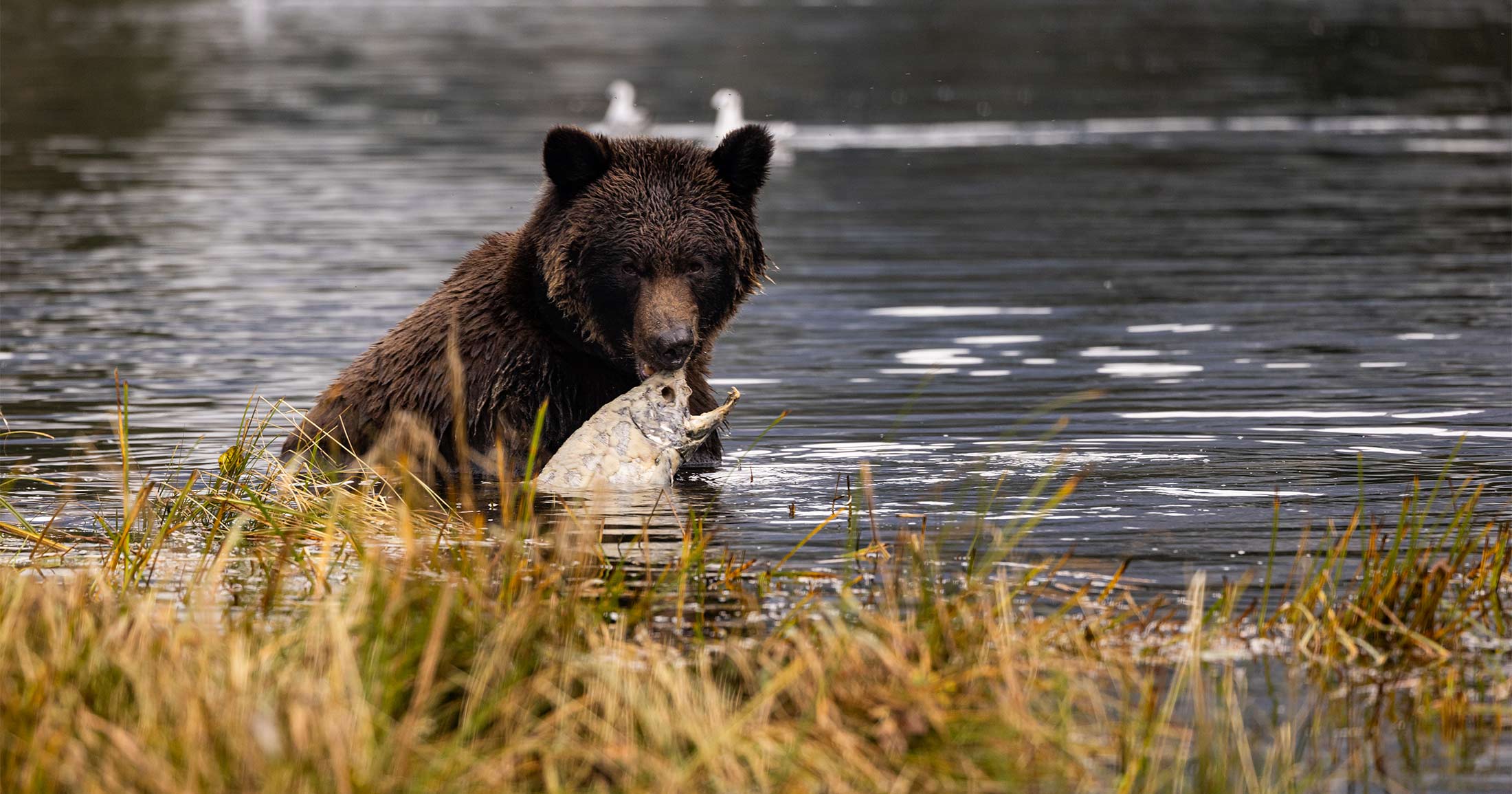
- Set salmon harvest at levels that optimize the benefits of spawning salmon to watersheds and wildlife.
- Shift away from historic management paradigms that minimize the number of spawning salmon reaching rivers and maximize harvest (called Maximum Sustainable Yield). Move towards fisheries management that meets salmon spawning targets that are ecologically based, not harvest-based.
- Shift harvest toward selective terminal fisheries (conducted in or near the rivers of origin) that respect the ‘place-based’ nature of salmon, and optimize the benefits to ecosystems, Indigenous cultures, and local communities.
2. Implement ecological-based governance
- Conservation planning and a commitment to sustainability that looks 7 generations ahead.
- A “whole-of-government” approach that implements shared solutions by Indigenous, federal, provincial, and municipal governments to achieve salmon recovery from inland watersheds and rivers, to the open ocean.
- Governance that honours Aboriginal rights and title, inherent Indigenous jurisdiction and law, and the United Nations Declaration on the Rights of Indigenous Peoples (UNDRIP) and the Declaration on the Rights of Indigenous Peoples Act (DRIPA).
- Sustainable funding strategies for watershed-scale restoration and planning.
3. Advance land-use policies that prioritize the health of wild salmon and biodiversity
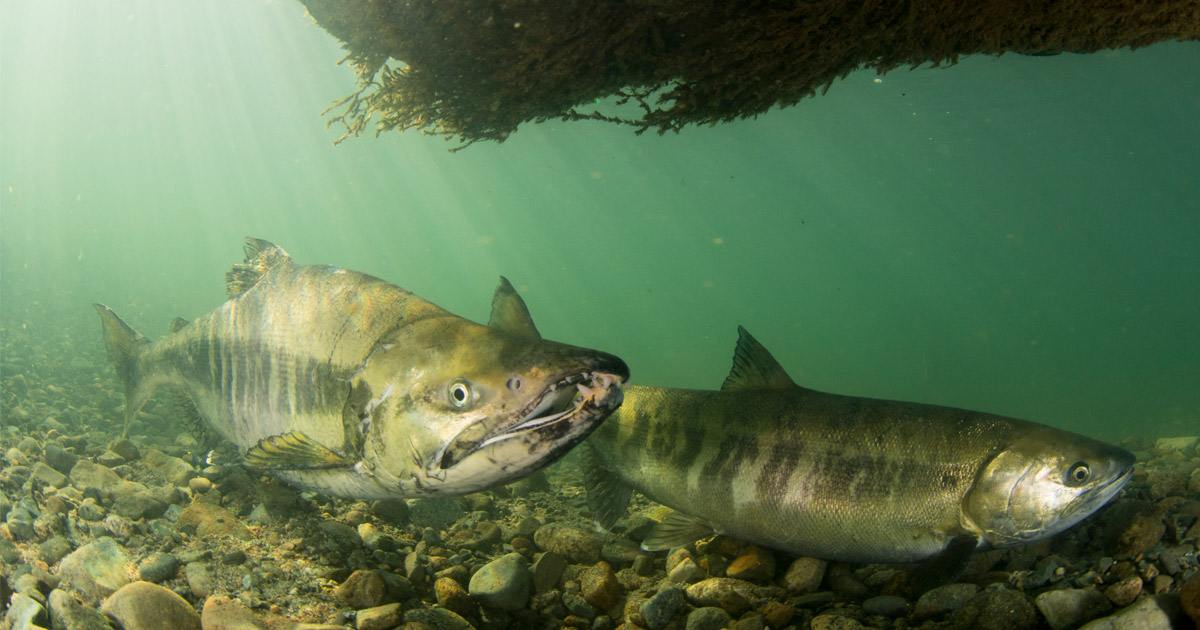
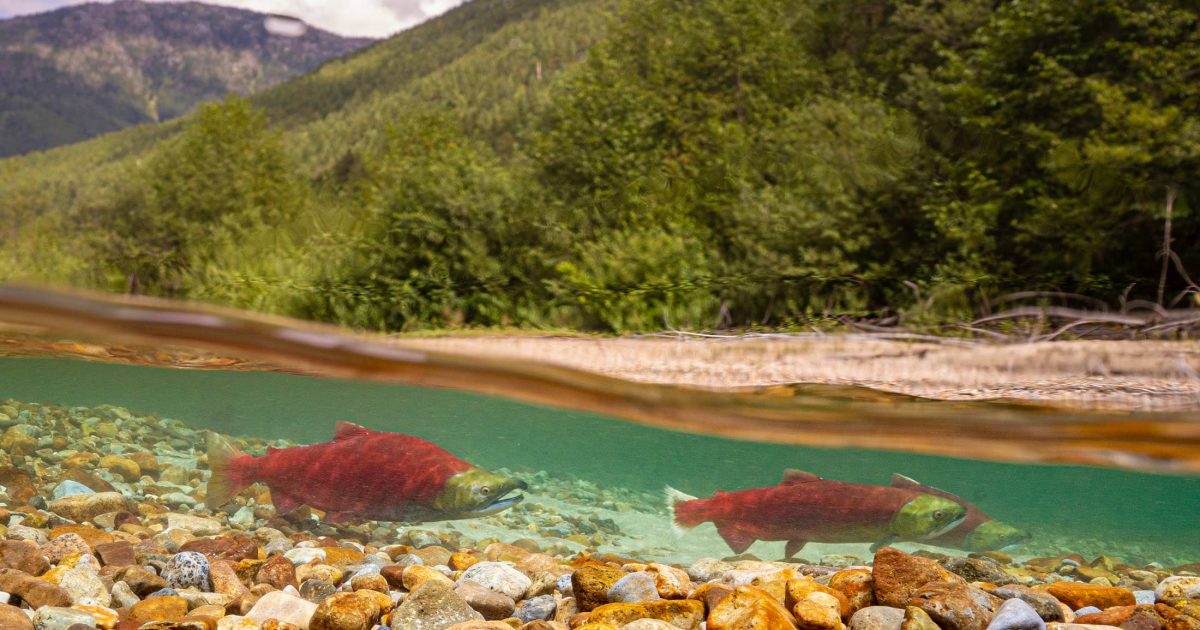
- Zoning that bolsters functioning watersheds and riparian habitat (i.e.protect natural features, limit impervious surfaces, reduce urban sprawl, adopt nature-based solutions).
- Forestry policy that prioritizes salmon health by restricting clear-cutting in salmon watersheds, and incentivizes a sustainable, second or third-growth forest economy.
- Climate adaptation policy that incentivizes nature-based solutions including natural shorelines, intact riparian areas, unrestricted floodplains, managed retreat, and use of rain-gardens in urban areas.
Our recent reports
Recent articles
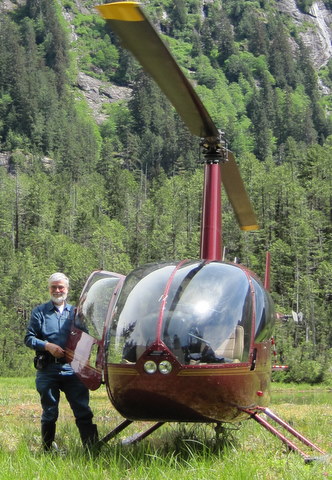
Days with Don
The field crew has just ended the final round of helicopter sites. I stayed on terra firma for this round, and as such the past few days have taken on a more relaxed pace. With my feet firmly on the ground and with time to reflect on the weeks gone by my head has been…

Now protect grizzly habitat
Letter to the Editor, Edmonton Journal Re: Grizzlies at risk: province; Dwindling bears given threatened status, The Journal, June 4. Sustainable Resource Development Minister Mel Knight should be commended for finally listing the province’s grizzly bears as a threatened species and for keeping the trophy hunting ban in place. However, he falls critically short by…
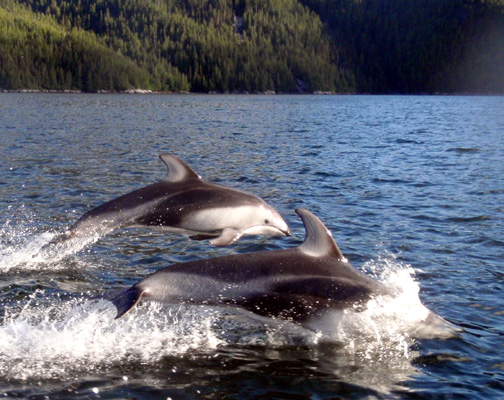
The morning commute
Ever been thrilled with lots of traffic during your morning commute? We were yesterday. Heading up a nearby channel to hit our bear hair-snagging stations, we encountered a herd of about 75 Pacific White Sided Dolphins. We maintained our course and speed and they chose to come play with us.

Hair Extravaganza
We approach the site in silence, hoping to find evidence of an ursid visitor. Crouching close to the ground, we examine each barb along the 25 m of fencing we set up. Having set up 71 of these barbed wire hair snagging stations across 5000 square kilometers, our work now consists of returning to each…

Fish farms make louse-y migration routes
Fraser River sockeye returned in record low numbers last fall, one percent of what they were a century ago
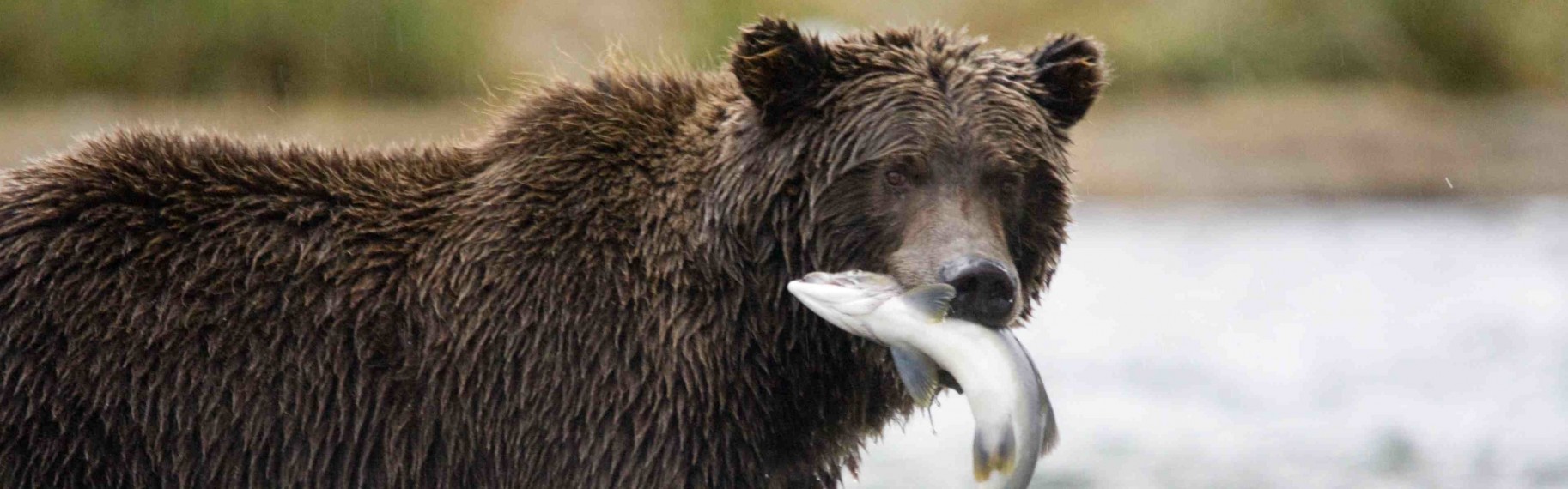
Salmon for wildlife
Elected officials need to hear public support for allocating salmon to bears. The federal Minister of Fisheries and Oceans makes decisions every day that effect the allocation of salmon to various interests. Until very recently, wildlife were never mentioned in the decision-making process. Now, a policy exists that states the ecosystem, specifically bears and other…