
Shifting salmon policy
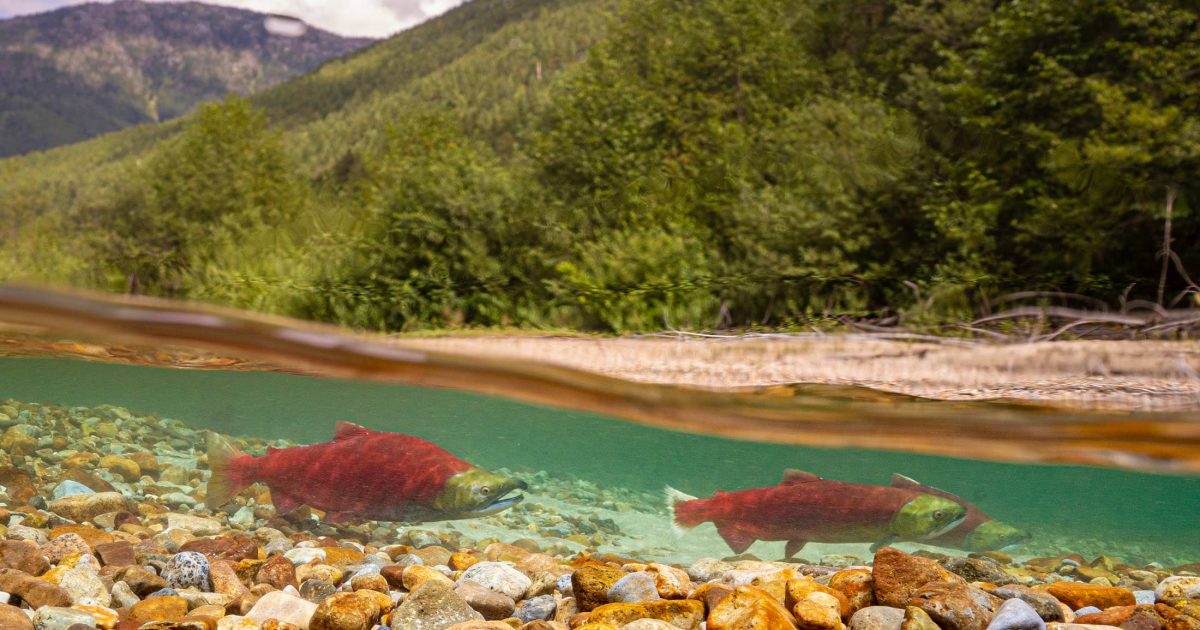
Photo by Alex Harris.
Ecosystems are complex. They are communities of living organisms connected through interacting processes and features on the land, in water, and between the two. Yet BC’s antiquated environmental policy doesn’t reflect this. Colonial society governs ecosystems by siloing them into distinct ministries and resources instead of reflecting the interconnected nature of habitats that make them function in the living world. This “siloed decision making”is the root cause of many of the ecological challenges we face today.
Our policy goals
1. Manage fisheries for ecosystems
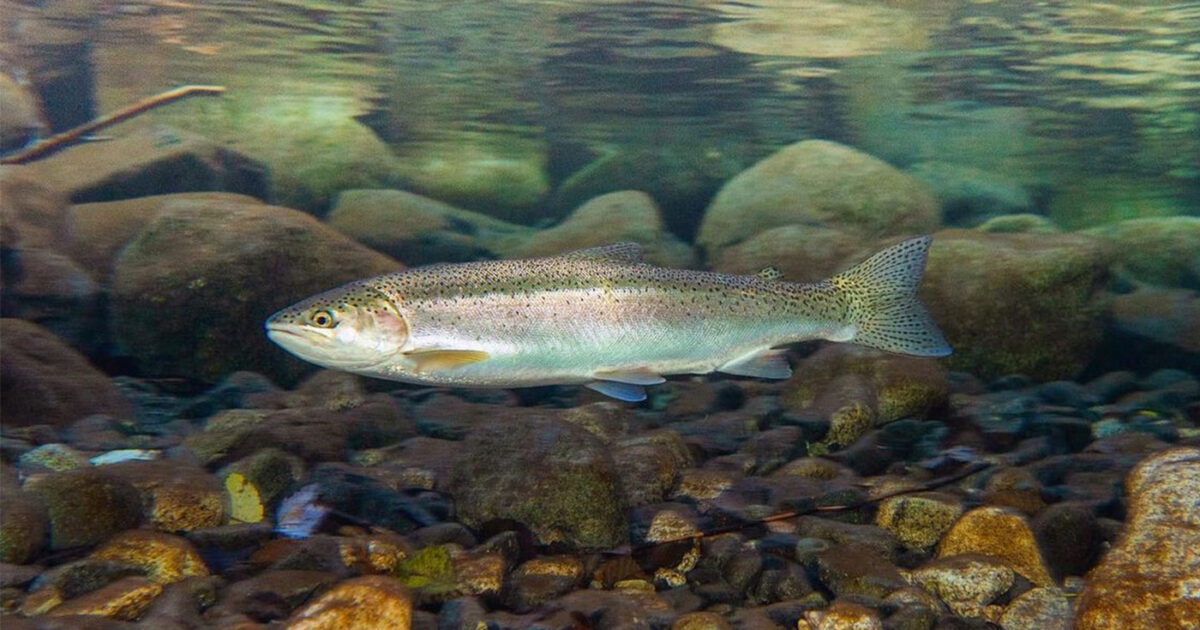
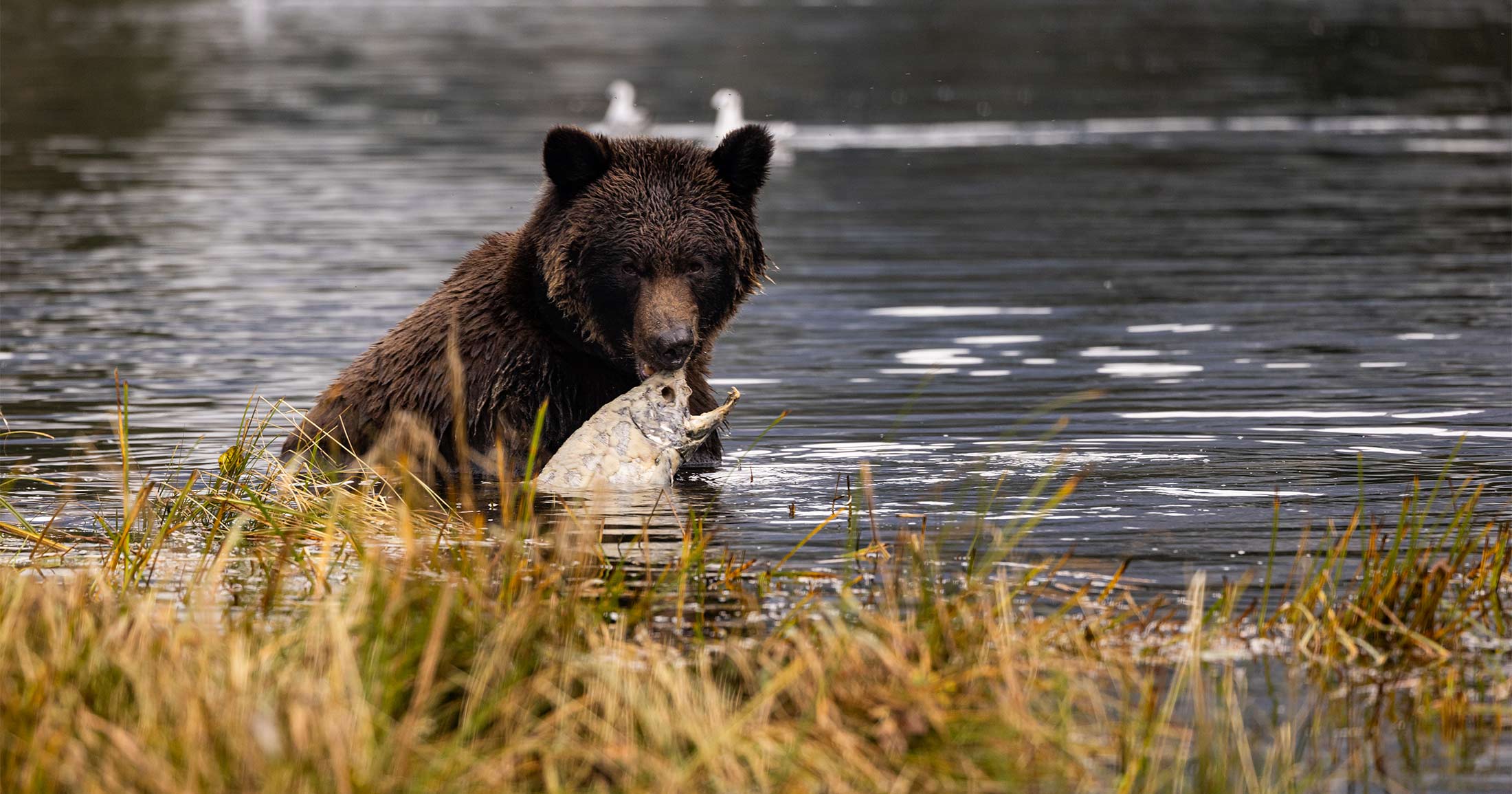
- Set salmon harvest at levels that optimize the benefits of spawning salmon to watersheds and wildlife.
- Shift away from historic management paradigms that minimize the number of spawning salmon reaching rivers and maximize harvest (called Maximum Sustainable Yield). Move towards fisheries management that meets salmon spawning targets that are ecologically based, not harvest-based.
- Shift harvest toward selective terminal fisheries (conducted in or near the rivers of origin) that respect the ‘place-based’ nature of salmon, and optimize the benefits to ecosystems, Indigenous cultures, and local communities.
2. Implement ecological-based governance
- Conservation planning and a commitment to sustainability that looks 7 generations ahead.
- A “whole-of-government” approach that implements shared solutions by Indigenous, federal, provincial, and municipal governments to achieve salmon recovery from inland watersheds and rivers, to the open ocean.
- Governance that honours Aboriginal rights and title, inherent Indigenous jurisdiction and law, and the United Nations Declaration on the Rights of Indigenous Peoples (UNDRIP) and the Declaration on the Rights of Indigenous Peoples Act (DRIPA).
- Sustainable funding strategies for watershed-scale restoration and planning.
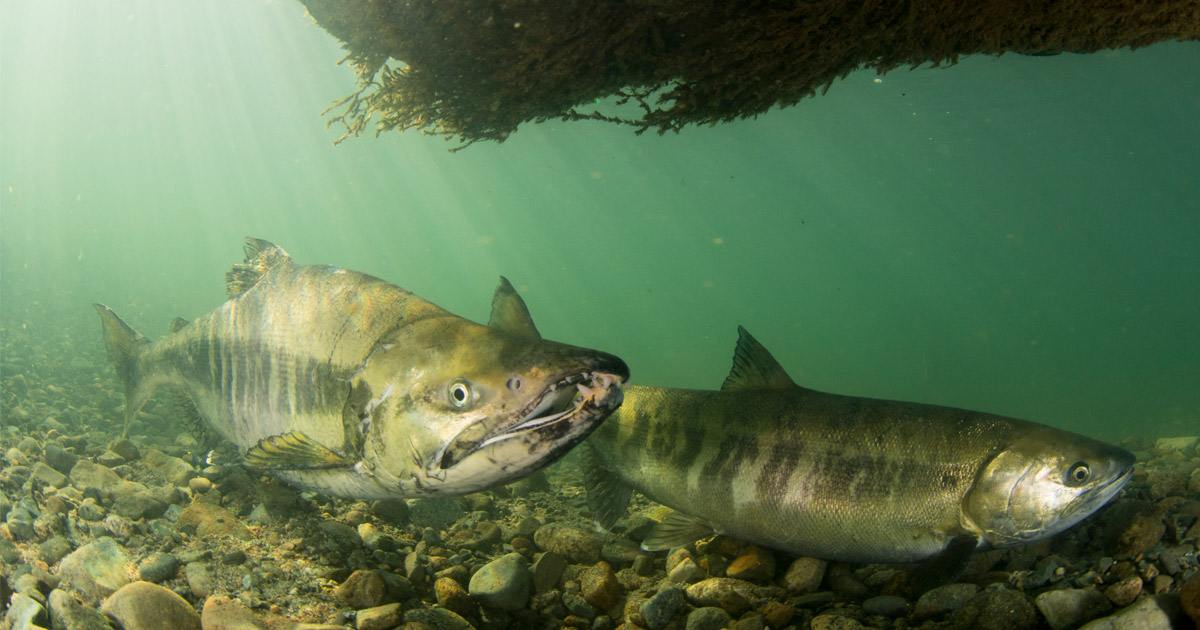
3. Advance land-use policies that prioritize the health of wild salmon and biodiversity
- Zoning that bolsters functioning watersheds and riparian habitat (i.e.protect natural features, limit impervious surfaces, reduce urban sprawl, adopt nature-based solutions).
- Forestry policy that prioritizes salmon health by restricting clear-cutting in salmon watersheds, and incentivizes a sustainable, second or third-growth forest economy.
- Climate adaptation policy that incentivizes nature-based solutions including natural shorelines, intact riparian areas, unrestricted floodplains, managed retreat, and use of rain-gardens in urban areas.
Our recent reports
Recent articles

Oh, the Dread-less Wind & Rain
Last week we had a howling southeast rip through. Good timing.

Raincoast Field Station Bears
As we sit down at the dinner table at the Raincoast Field Station to exchange stories about our day of fieldwork, we look out to notice an uninvited but welcomed guest.

Follow Raincoast at Huffington Post
Follow Raincoast’s Chris Genovali at the Huffington Post
Recent Articles:
Kill for Cash: Coyotes are targeted in Nova Scotia’s “pelt incentive program”
The Death Cults Among Us: Wolves are targets on both sides of the Canada US border
Enbridge Northern Gateway Project: Enbridge’s record and Canadian wildlife mean too great a risk from oil tankers on the BC coast.

Skunk Cabbage Cafe
Don Arney (www.sei-ind.com), our helicopter pilot and volunteer extraordinaire, expertly touches down in an alpine bog. With the rotors whirring above our heads, we begin unloading our supplies in preparation for setting up a hair snagging station. When the rotors slow and come to a stop, we pause for a moment in awe of our…

2010 Bear Team photo
I know I promised the picture of the momma bear and cubs I wrote about yesterday, but the satellite internet being what it is up here, that will have to wait. In the meantime, I’d like to introduce you to this year’s crew: From left to right: Me, Howard Humchitt, Collin Reid, Kyle Artelle, Heather…
Harold the Heron
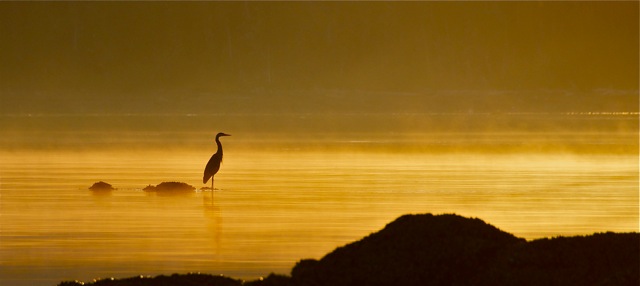
I promised you a story about bears…it’s coming. First I want to share with you one of the less mammalian experiences that treat our team up at the field station each year. Almost daily we observe Harold the (Great Blue) Heron, who includes our dock in his territory. Great fish habitat for this piscivore (fish…