

Shifting salmon policy
Photo by Alex Harris.
Ecosystems are complex. They are communities of living organisms connected through interacting processes and features on the land, in water, and between the two. Yet BC’s antiquated environmental policy doesn’t reflect this. Colonial society governs ecosystems by siloing them into distinct ministries and resources instead of reflecting the interconnected nature of habitats that make them function in the living world. This “siloed decision making”is the root cause of many of the ecological challenges we face today.


Our policy goals
1. Manage fisheries for ecosystems
- Set salmon harvest at levels that optimize the benefits of spawning salmon to watersheds and wildlife.
- Shift away from historic management paradigms that minimize the number of spawning salmon reaching rivers and maximize harvest (called Maximum Sustainable Yield). Move towards fisheries management that meets salmon spawning targets that are ecologically based, not harvest-based.
- Shift harvest toward selective terminal fisheries (conducted in or near the rivers of origin) that respect the ‘place-based’ nature of salmon, and optimize the benefits to ecosystems, Indigenous cultures, and local communities.
2. Implement ecological-based governance
- Conservation planning and a commitment to sustainability that looks 7 generations ahead.
- A “whole-of-government” approach that implements shared solutions by Indigenous, federal, provincial, and municipal governments to achieve salmon recovery from inland watersheds and rivers, to the open ocean.
- Governance that honours Aboriginal rights and title, inherent Indigenous jurisdiction and law, and the United Nations Declaration on the Rights of Indigenous Peoples (UNDRIP) and the Declaration on the Rights of Indigenous Peoples Act (DRIPA).
- Sustainable funding strategies for watershed-scale restoration and planning.


3. Advance land-use policies that prioritize the health of wild salmon and biodiversity
- Zoning that bolsters functioning watersheds and riparian habitat (i.e.protect natural features, limit impervious surfaces, reduce urban sprawl, adopt nature-based solutions).
- Forestry policy that prioritizes salmon health by restricting clear-cutting in salmon watersheds, and incentivizes a sustainable, second or third-growth forest economy.
- Climate adaptation policy that incentivizes nature-based solutions including natural shorelines, intact riparian areas, unrestricted floodplains, managed retreat, and use of rain-gardens in urban areas.
Our recent reports
Recent articles

Join us at the Karen Cooper Gallery on Granville Island
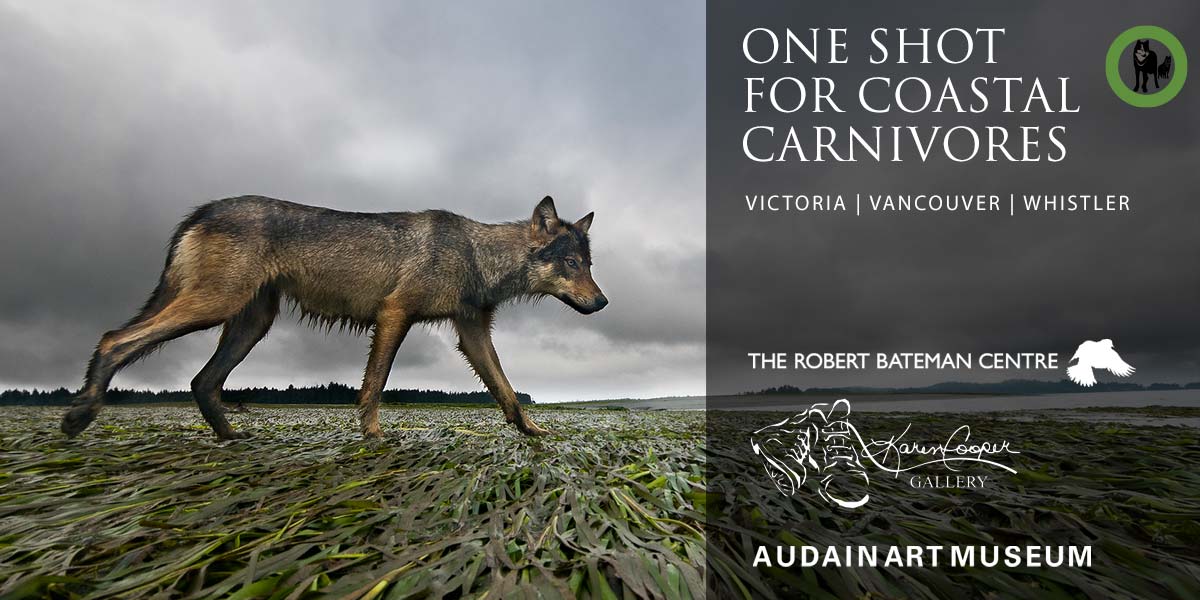
On the 23rd of October we launch the One Shot for Coastal Carnivores exhibit in Vancouver. Contributing photographer Karen Cooper will be hosting us at her gallery on Granville Island. The video below gives you a sense of both Karen’s work and the first space in which you’ll be able to view conservation photography from…
Unique wildlife photography collection coming this fall
From Victoria to Whistler we have set-up a range of viewings, sponsorship opportunities and public events. We have contributions from a fantastic range of photographers, some of whom have spent their entire lives on the coast of British Columbia, dedicated to telling its stories…

From meerkats to killer whales
While meerkats, a species of mongoose native to southern Africa, may seem far removed from Raincoast’s work in BC, they share many characteristics with a much more familiar species: killer whales.

Chris Genovali and Terry Moore on trophy hunting and the changing paradigm of “wildlife as commodity”
This summer Raincoast executive director Chris Genovali spoke with Terry Moore to discuss the problems with trophy hunting in BC and globally. We learned last week that Terry Moore passed away. Our sincere condolences to Terry’s family and to his colleagues at CFAX. We have deep respect for his body of work as a journalist…

Proceeds from guidebook to go towards protecting wolves and other large carnivores
When I first visited Cape Scott Provincial Park (now almost 2 decades ago!), I scratched the surface of something incredible. Over time, it called me back again and again. It wasn’t any one thing that I found that I was looking for. It was more the feeling of the place, like a drum beat deep…
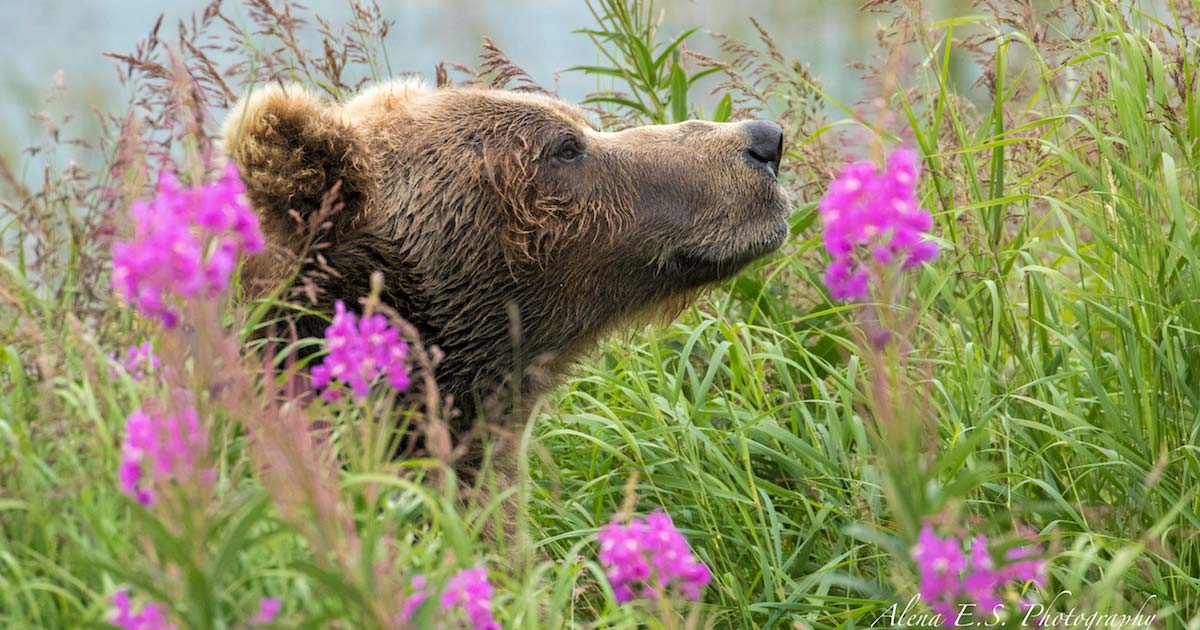
We can end commercial trophy hunting in the Nadeea tenure
In the world we currently live in, it is such a rare opportunity to have a direct, tangible, positive impact. It can be excruciatingly difficult to know whether or not you are making a positive change. When you’re just one person, the world often seems so big, and the problems in it so insurmountable, that…