

Shifting salmon policy
Photo by Alex Harris.
Ecosystems are complex. They are communities of living organisms connected through interacting processes and features on the land, in water, and between the two. Yet BC’s antiquated environmental policy doesn’t reflect this. Colonial society governs ecosystems by siloing them into distinct ministries and resources instead of reflecting the interconnected nature of habitats that make them function in the living world. This “siloed decision making”is the root cause of many of the ecological challenges we face today.


Our policy goals
1. Manage fisheries for ecosystems
- Set salmon harvest at levels that optimize the benefits of spawning salmon to watersheds and wildlife.
- Shift away from historic management paradigms that minimize the number of spawning salmon reaching rivers and maximize harvest (called Maximum Sustainable Yield). Move towards fisheries management that meets salmon spawning targets that are ecologically based, not harvest-based.
- Shift harvest toward selective terminal fisheries (conducted in or near the rivers of origin) that respect the ‘place-based’ nature of salmon, and optimize the benefits to ecosystems, Indigenous cultures, and local communities.
2. Implement ecological-based governance
- Conservation planning and a commitment to sustainability that looks 7 generations ahead.
- A “whole-of-government” approach that implements shared solutions by Indigenous, federal, provincial, and municipal governments to achieve salmon recovery from inland watersheds and rivers, to the open ocean.
- Governance that honours Aboriginal rights and title, inherent Indigenous jurisdiction and law, and the United Nations Declaration on the Rights of Indigenous Peoples (UNDRIP) and the Declaration on the Rights of Indigenous Peoples Act (DRIPA).
- Sustainable funding strategies for watershed-scale restoration and planning.


3. Advance land-use policies that prioritize the health of wild salmon and biodiversity
- Zoning that bolsters functioning watersheds and riparian habitat (i.e.protect natural features, limit impervious surfaces, reduce urban sprawl, adopt nature-based solutions).
- Forestry policy that prioritizes salmon health by restricting clear-cutting in salmon watersheds, and incentivizes a sustainable, second or third-growth forest economy.
- Climate adaptation policy that incentivizes nature-based solutions including natural shorelines, intact riparian areas, unrestricted floodplains, managed retreat, and use of rain-gardens in urban areas.
Our recent reports
Recent articles
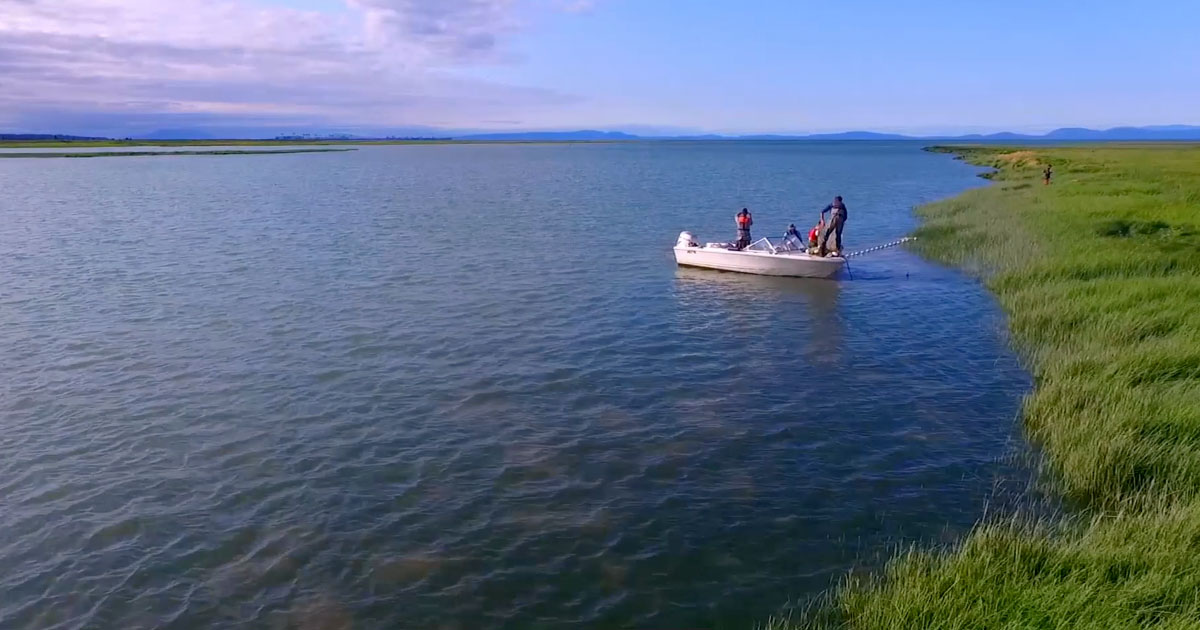
Fraser estuary research completed for 2018
After a long five months we have now wrapped up our 2018 field season in the Fraser estuary, our best year yet! This year our team spent 76 days in the field and we captured more than 35,000 fish, including over 6,400 juvenile salmon. While it has been a long and hot season with a…
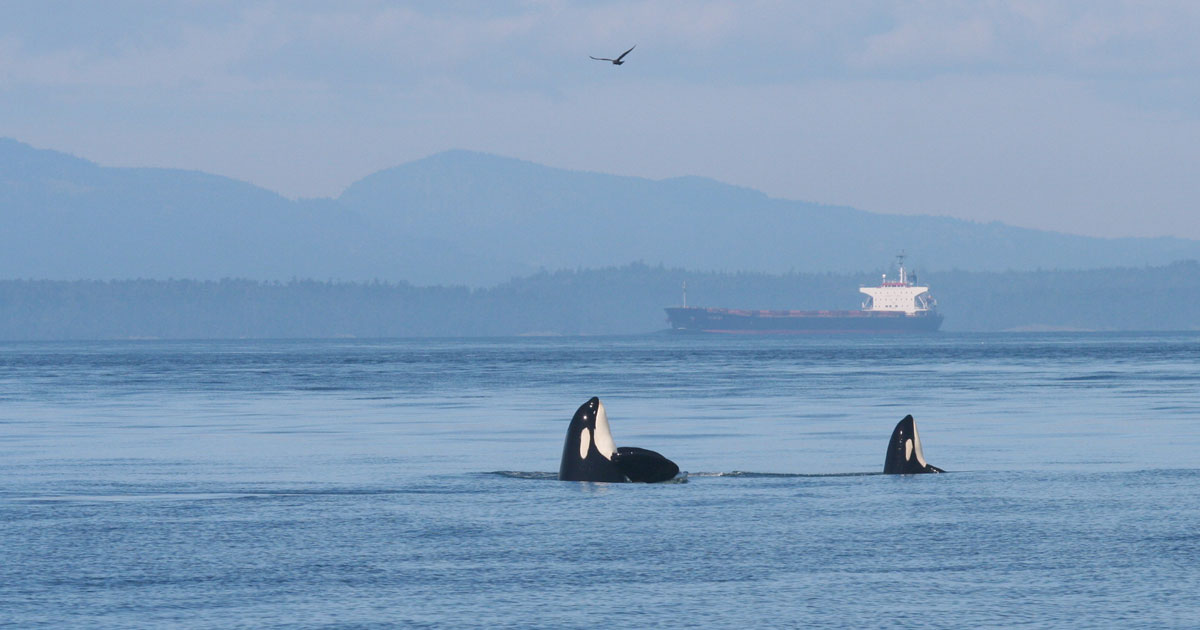
Still no adequate threat reduction measures for endangered killer whales
The federal government is instructing the National Energy Board to conduct a review of marine shipping associated with the proposed sevenfold increase in tanker traffic from the Trans Mountain expansion…

Heart of the Fraser: Ecological stronghold faces imminent threat
The Fraser River is an incredibly productive and important ecosystem which has supported abundant populations of salmon and sturgeon for thousands of years. However, in a few short centuries humans have drastically modified habitats throughout the watershed…

Endangered species, decline of biodiversity, and more on Quirks and Quarks
This episode of Quirks & Quarks explores pressing conservation issues facing endangered species…

Of coastal carnivores and conservation
It’s a misty, bracing morning on the banks of the Koeye River. Before long, the summer sun will rise to burn off the fog and reveal a world dazzling in shades of greens, blues, and sandy beige, and buzzing with biodiversity. But in these soft, quiet morning hours, a different shade of gold slinks along…

I am riding my bike to save coastal carnivores, and you can help me
This area is home to each of these large carnivores, in addition to grizzly bears and wolverines. Unfortunately, they can all (with the exception of grizzly bears) be legally hunted for sport. You can help me protect them…