

Shifting salmon policy
Photo by Alex Harris.
Ecosystems are complex. They are communities of living organisms connected through interacting processes and features on the land, in water, and between the two. Yet BC’s antiquated environmental policy doesn’t reflect this. Colonial society governs ecosystems by siloing them into distinct ministries and resources instead of reflecting the interconnected nature of habitats that make them function in the living world. This “siloed decision making”is the root cause of many of the ecological challenges we face today.
Our policy goals
1. Manage fisheries for ecosystems
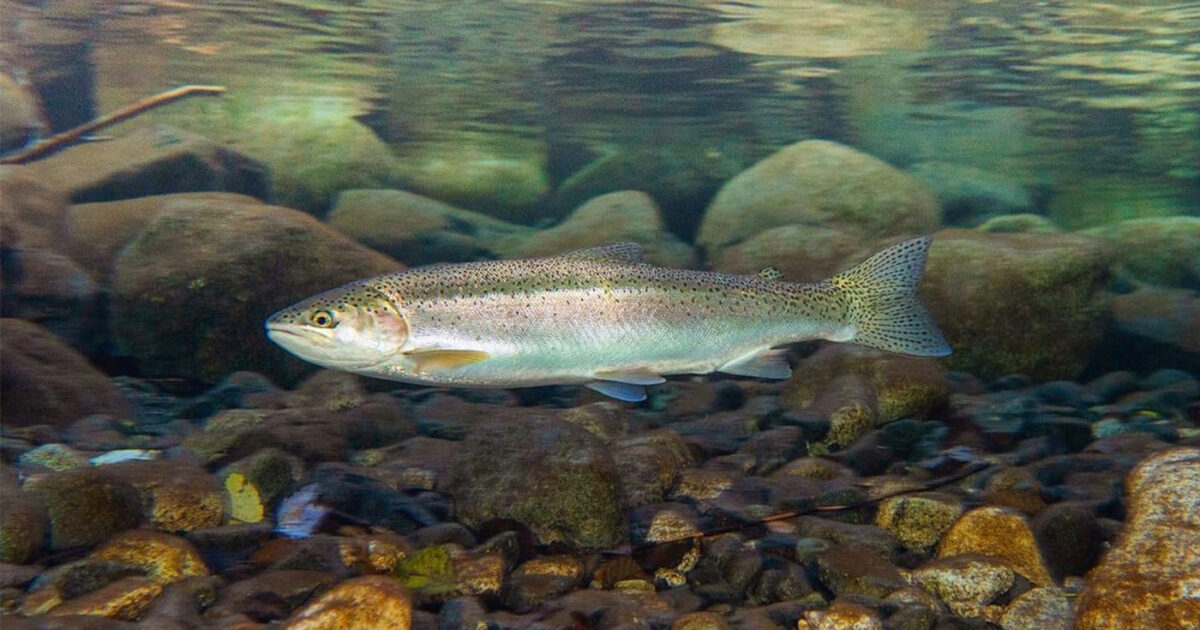
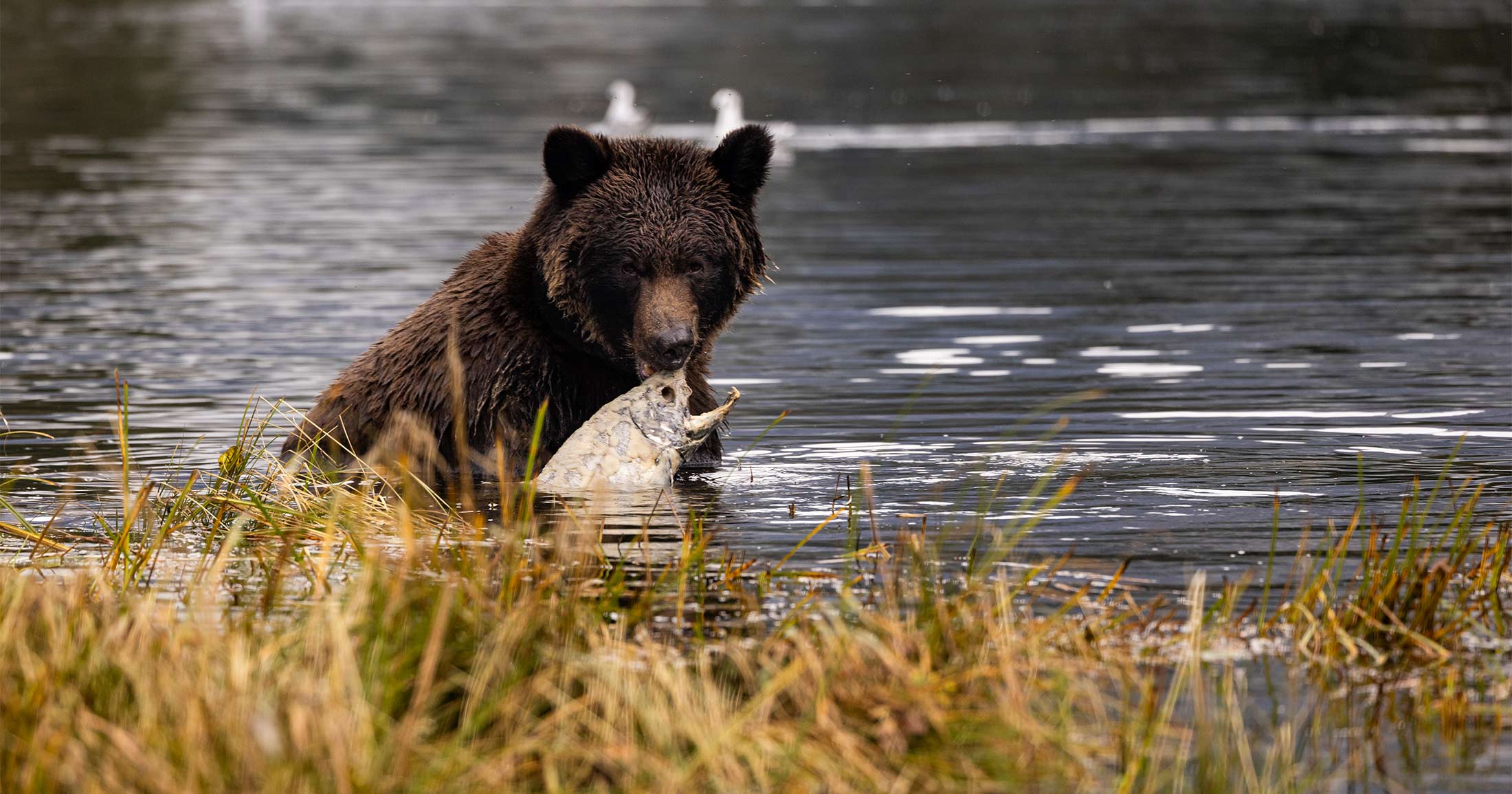
- Set salmon harvest at levels that optimize the benefits of spawning salmon to watersheds and wildlife.
- Shift away from historic management paradigms that minimize the number of spawning salmon reaching rivers and maximize harvest (called Maximum Sustainable Yield). Move towards fisheries management that meets salmon spawning targets that are ecologically based, not harvest-based.
- Shift harvest toward selective terminal fisheries (conducted in or near the rivers of origin) that respect the ‘place-based’ nature of salmon, and optimize the benefits to ecosystems, Indigenous cultures, and local communities.
2. Implement ecological-based governance
- Conservation planning and a commitment to sustainability that looks 7 generations ahead.
- A “whole-of-government” approach that implements shared solutions by Indigenous, federal, provincial, and municipal governments to achieve salmon recovery from inland watersheds and rivers, to the open ocean.
- Governance that honours Aboriginal rights and title, inherent Indigenous jurisdiction and law, and the United Nations Declaration on the Rights of Indigenous Peoples (UNDRIP) and the Declaration on the Rights of Indigenous Peoples Act (DRIPA).
- Sustainable funding strategies for watershed-scale restoration and planning.
3. Advance land-use policies that prioritize the health of wild salmon and biodiversity
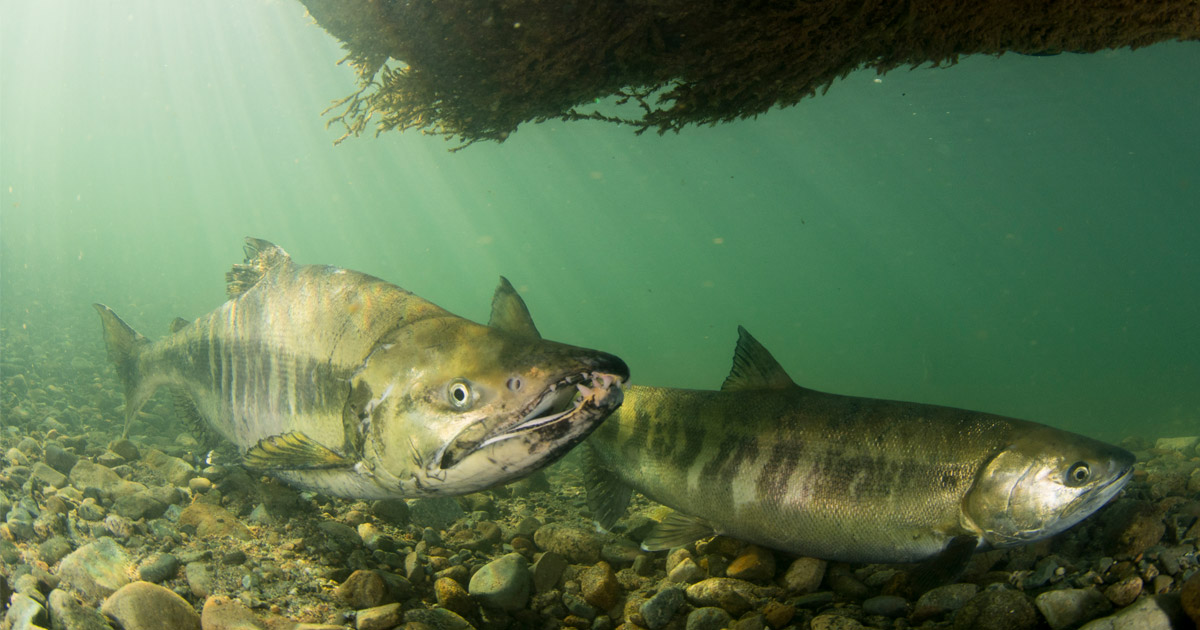
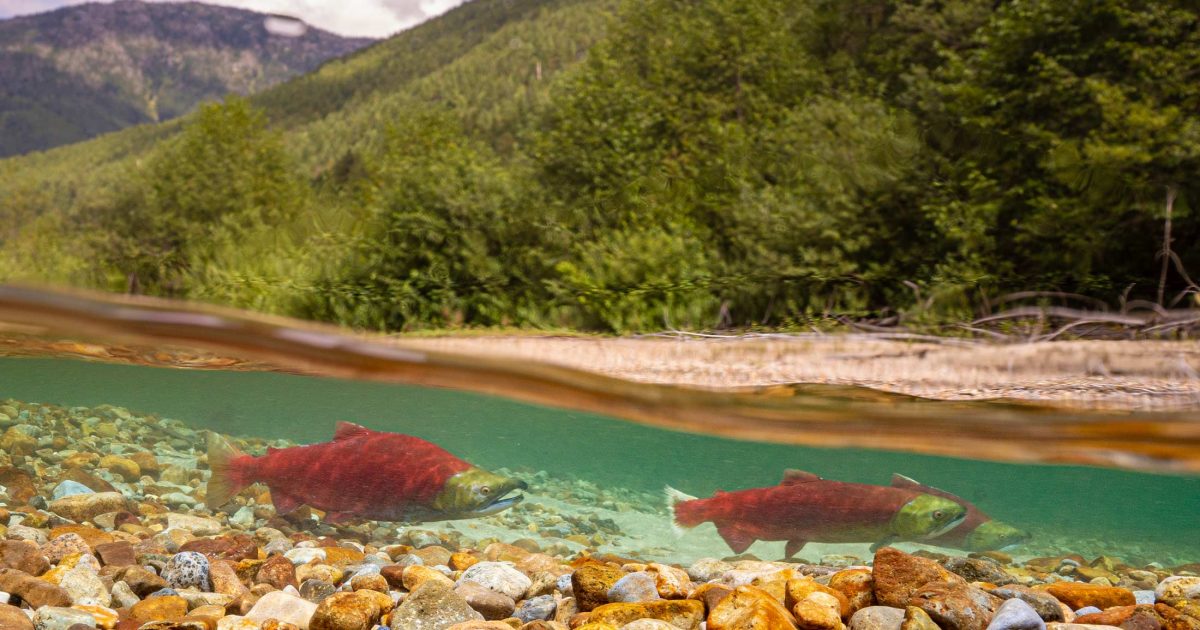
- Zoning that bolsters functioning watersheds and riparian habitat (i.e.protect natural features, limit impervious surfaces, reduce urban sprawl, adopt nature-based solutions).
- Forestry policy that prioritizes salmon health by restricting clear-cutting in salmon watersheds, and incentivizes a sustainable, second or third-growth forest economy.
- Climate adaptation policy that incentivizes nature-based solutions including natural shorelines, intact riparian areas, unrestricted floodplains, managed retreat, and use of rain-gardens in urban areas.
Our recent reports
Recent articles

Backgrounder on Canada’s Pacific salmon fishery losing its Marine Stewardship Council certification
What is the Marine Stewardship Council? The Marine Stewardship Council, or “MSC”, is an international, independent non-profit organization which sets a standard for sustainable fishing. Fisheries that wish to demonstrate they are well-managed and sustainable compared to the science-based MSC standards are assessed by a team of experts who are independent of both the fishery…

Beautiful photographic prints from our favorite photographers for sale
A picture is worth a thousand words, and we are selling prints for $98. We are very grateful for photographers who are able to capture exceptional images who donated a limited number of prints. These images not only capture the beauty of the wildlife they also directly support our efforts to Safeguard Coastal Carnivores in…

Finding communities in salmon conservation
As I crouch on the riverbank taking measurements of the salmon carcass, the ever-telling sensation of being watched creeps up my neck. I look up to see a mother black bear and her two cubs across the river, staring right at me. Our eyes meet, and time slows. In this moment of connected eyes and…

A short history of fantastic peer to peer fundraising campaigns
As an organization working to end commercial trophy hunting in the Great Bear Rainforest, we rely on our supporters. We’re inspired, and grateful, for those who take donations to the next level by creating their own supporting campaigns. Already, people have been working with us towards securing the Kitlope Tenure. As we continue towards our…

B.C.’s human-wildlife conflict response needs reform
Recent events have raised important legal questions about the policies, practices, and procedures of the British Columbia Conservation Officer Service (BCCOS) for responding to human-wildlife conflicts. This past summer was marked by multiple encounters involving people and black bears in the Lower Mainland, with accompanying BCCOS-related controversy as well. In a high-profile incident in Coquitlam,…

BC Bear Day was a success!
BC Bear Day this past weekend was a grand success. We saw lots of kids, teddy bears in hand, residents looking for tips on how to coexist with bears and people generally interested in learning more about bears. The afternoon portion of the event was filled with presentations, games, face painting, bear yoga and an…