

Shifting salmon policy
Photo by Alex Harris.
Ecosystems are complex. They are communities of living organisms connected through interacting processes and features on the land, in water, and between the two. Yet BC’s antiquated environmental policy doesn’t reflect this. Colonial society governs ecosystems by siloing them into distinct ministries and resources instead of reflecting the interconnected nature of habitats that make them function in the living world. This “siloed decision making”is the root cause of many of the ecological challenges we face today.
Our policy goals
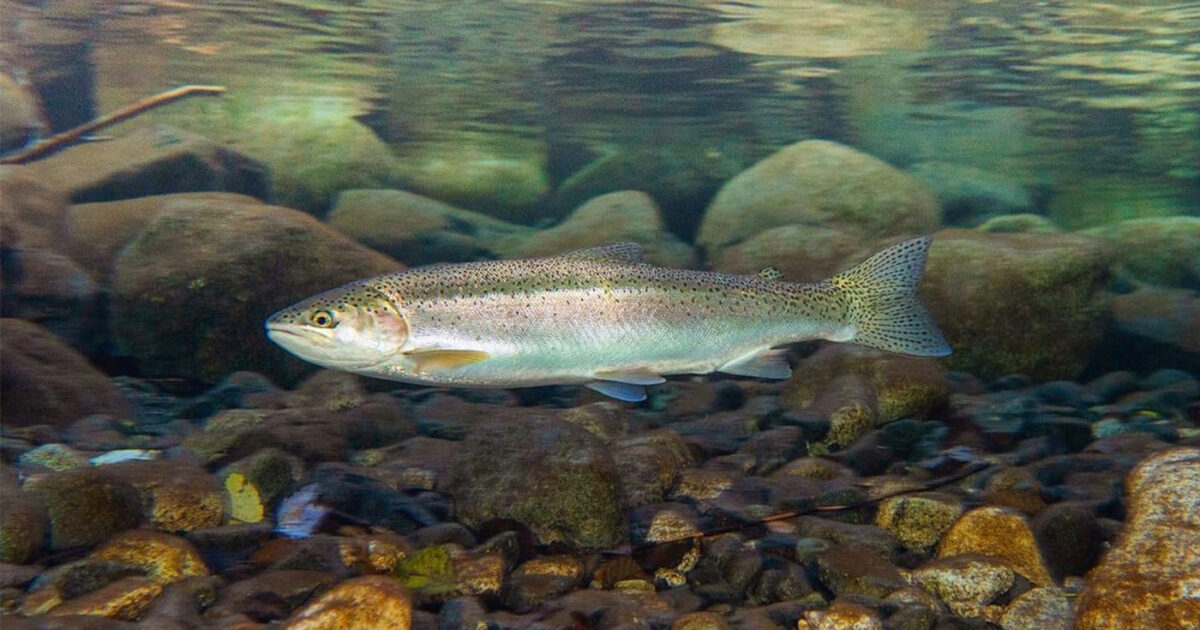
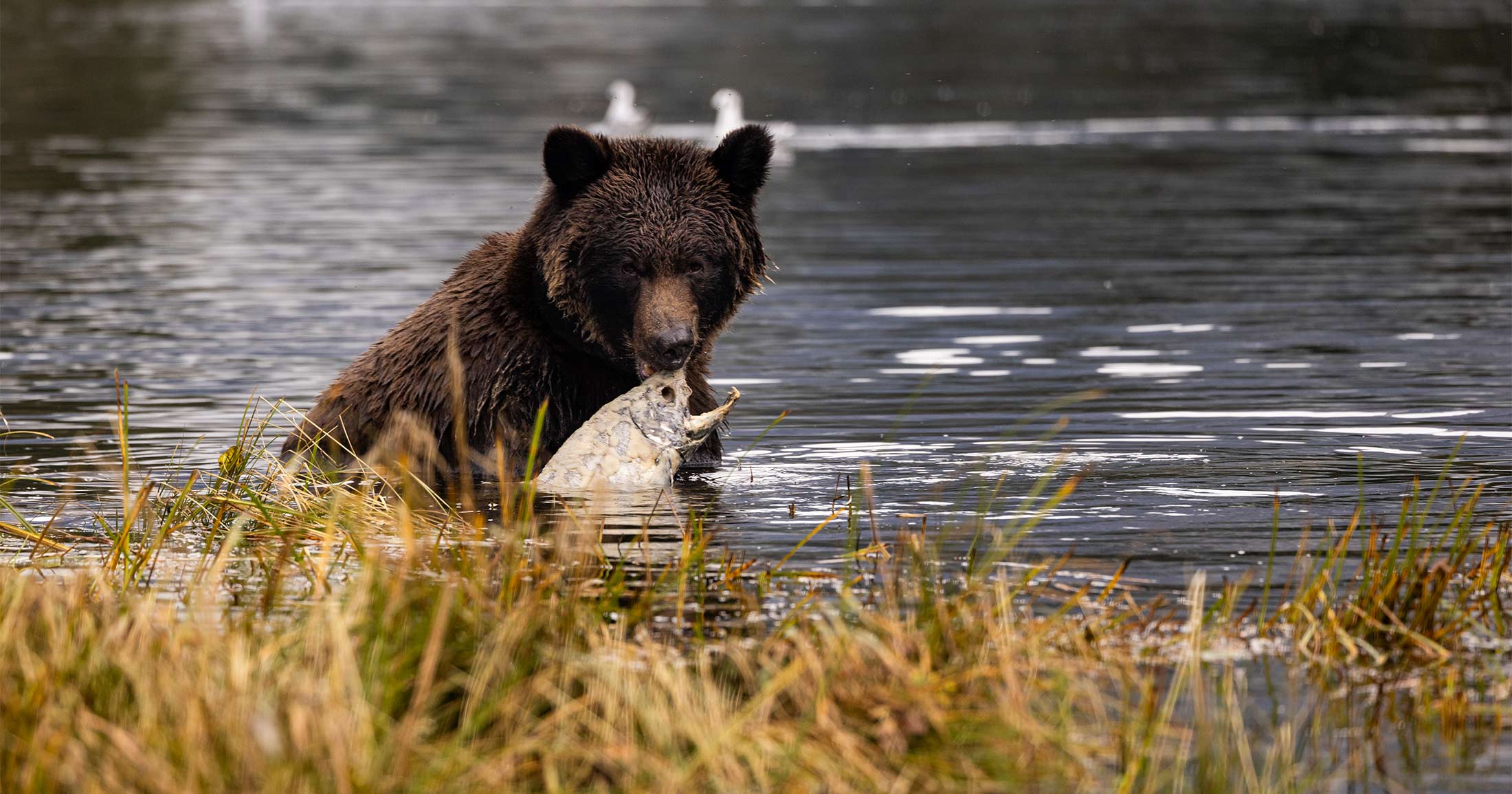
1. Manage fisheries for ecosystems
- Set salmon harvest at levels that optimize the benefits of spawning salmon to watersheds and wildlife.
- Shift away from historic management paradigms that minimize the number of spawning salmon reaching rivers and maximize harvest (called Maximum Sustainable Yield). Move towards fisheries management that meets salmon spawning targets that are ecologically based, not harvest-based.
- Shift harvest toward selective terminal fisheries (conducted in or near the rivers of origin) that respect the ‘place-based’ nature of salmon, and optimize the benefits to ecosystems, Indigenous cultures, and local communities.
2. Implement ecological-based governance
- Conservation planning and a commitment to sustainability that looks 7 generations ahead.
- A “whole-of-government” approach that implements shared solutions by Indigenous, federal, provincial, and municipal governments to achieve salmon recovery from inland watersheds and rivers, to the open ocean.
- Governance that honours Aboriginal rights and title, inherent Indigenous jurisdiction and law, and the United Nations Declaration on the Rights of Indigenous Peoples (UNDRIP) and the Declaration on the Rights of Indigenous Peoples Act (DRIPA).
- Sustainable funding strategies for watershed-scale restoration and planning.
3. Advance land-use policies that prioritize the health of wild salmon and biodiversity
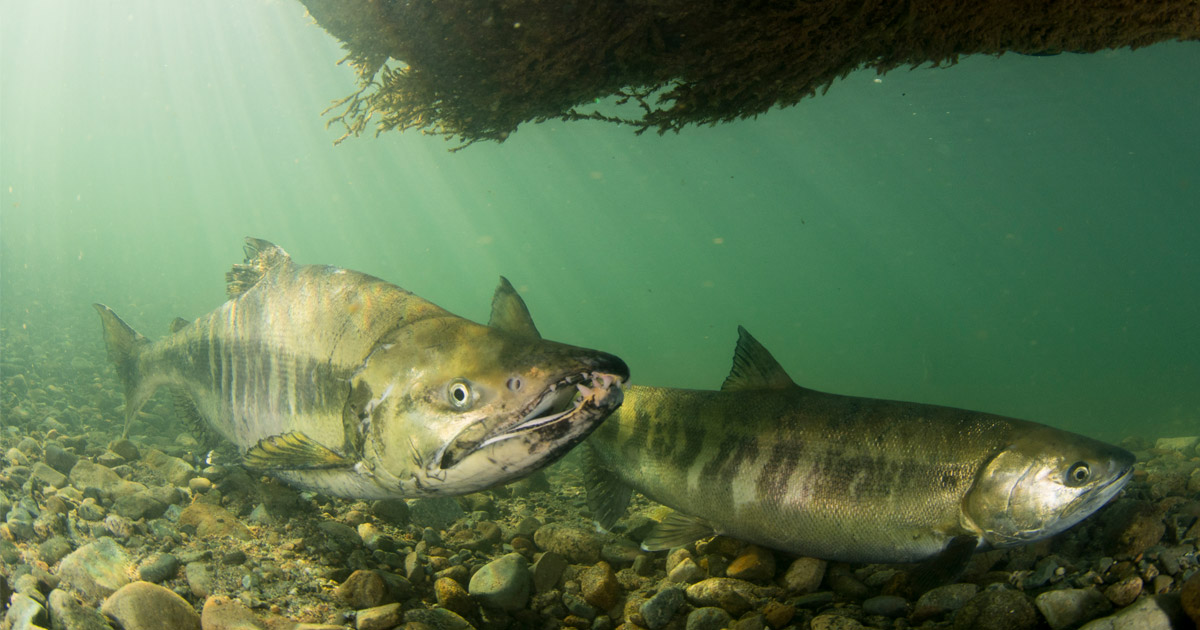
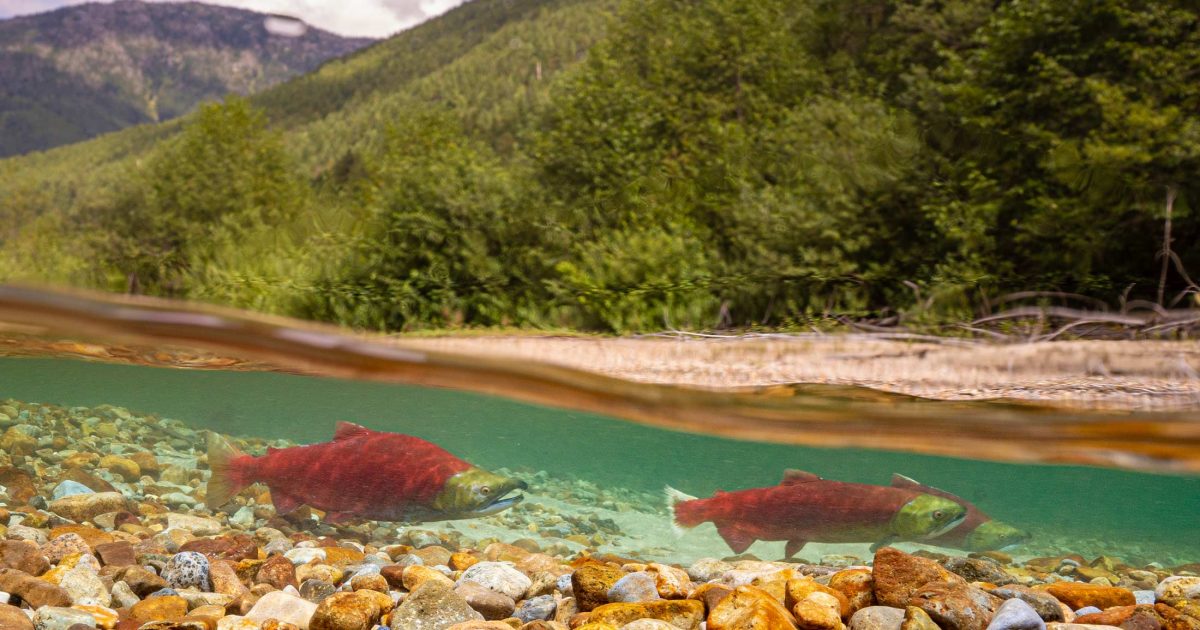
- Zoning that bolsters functioning watersheds and riparian habitat (i.e.protect natural features, limit impervious surfaces, reduce urban sprawl, adopt nature-based solutions).
- Forestry policy that prioritizes salmon health by restricting clear-cutting in salmon watersheds, and incentivizes a sustainable, second or third-growth forest economy.
- Climate adaptation policy that incentivizes nature-based solutions including natural shorelines, intact riparian areas, unrestricted floodplains, managed retreat, and use of rain-gardens in urban areas.
Our recent reports
Recent articles

Gvukva’áus Haíɫzaqv. House of the Haíɫzaqv, it’s always been here
The Haíɫzaqv (Heiltsuk) community of Waglisla (Bella Bella) who have been our friends, supporters and partners for over a generation, were about to celebrate the historic opening of the stunning new Gvukva’áus Haíɫzaqv (house of the Haíɫzaqv) with a five day potlatch celebration. Over 3000 people were expected. Knowing that accommodations were limited in the…

Where bears, fish, and humans roam
Transitioning between seasons can often push your senses to work overtime. This is especially true in summer and autumn in the Atnarko River corridor, where the river comes alive with Chinook, chum, pink, sockeye, and coho salmon runs. The smell of a river containing spawned-out fish is unforgettable, and one I have grown fond of….

Searching for sentinels at the top of the world
White on white is hard to see. It is especially difficult when what’s white is a mountain goat tucked into the nooks and crannies at the top of a mountain. These elusive animals cling to the windswept peaks of the coastal mountains of British Columbia where they find relief from warm summer temperatures and the…

Stories from the Magic Canoe, Victoria on November 21st
This November we are inviting you to an evening conversation with author Briony Penn, Raincoast’s Brian Falconer, and photographer Alex Harris, hosted by CBC’s Bob McDonald. They’ll share stories about one of North America’s most important Indigenous leaders, Wa’xaid, Cecil Paul and the watershed he helped protect. Find this event on Facebook. November 21st, UVic…

Evidence, values, policy, and the advance of science
Last month, a group of scientists published a letter in the journal Science that advocated for trophy hunting, arguing that the practice can help safeguard biodiversity. In today’s issue of Science, there are six response letters, and Raincoast scientists (Drs. Kyle Artelle, Chris Darimont and Paul Paquet), contribute to three. Our team argues that there…

Join us at the Salish Sea Ecosystem Conference in Vancouver
Along with the Lower Fraser Fisheries Alliance, Raincoast is chairing a traditional session at the upcoming Salish Sea Ecosystem Conference April 19-22, 2020 Vancouver Convention Centre Vancouver BC. The session, Toward a vision for Ecological Resilience in the Lower Fraser River, session ID1438, is accepting abstracts until November 1st. Our goal is to bring together…