

Shifting salmon policy
Photo by Alex Harris.
Ecosystems are complex. They are communities of living organisms connected through interacting processes and features on the land, in water, and between the two. Yet BC’s antiquated environmental policy doesn’t reflect this. Colonial society governs ecosystems by siloing them into distinct ministries and resources instead of reflecting the interconnected nature of habitats that make them function in the living world. This “siloed decision making”is the root cause of many of the ecological challenges we face today.


Our policy goals
1. Manage fisheries for ecosystems
- Set salmon harvest at levels that optimize the benefits of spawning salmon to watersheds and wildlife.
- Shift away from historic management paradigms that minimize the number of spawning salmon reaching rivers and maximize harvest (called Maximum Sustainable Yield). Move towards fisheries management that meets salmon spawning targets that are ecologically based, not harvest-based.
- Shift harvest toward selective terminal fisheries (conducted in or near the rivers of origin) that respect the ‘place-based’ nature of salmon, and optimize the benefits to ecosystems, Indigenous cultures, and local communities.
2. Implement ecological-based governance
- Conservation planning and a commitment to sustainability that looks 7 generations ahead.
- A “whole-of-government” approach that implements shared solutions by Indigenous, federal, provincial, and municipal governments to achieve salmon recovery from inland watersheds and rivers, to the open ocean.
- Governance that honours Aboriginal rights and title, inherent Indigenous jurisdiction and law, and the United Nations Declaration on the Rights of Indigenous Peoples (UNDRIP) and the Declaration on the Rights of Indigenous Peoples Act (DRIPA).
- Sustainable funding strategies for watershed-scale restoration and planning.


3. Advance land-use policies that prioritize the health of wild salmon and biodiversity
- Zoning that bolsters functioning watersheds and riparian habitat (i.e.protect natural features, limit impervious surfaces, reduce urban sprawl, adopt nature-based solutions).
- Forestry policy that prioritizes salmon health by restricting clear-cutting in salmon watersheds, and incentivizes a sustainable, second or third-growth forest economy.
- Climate adaptation policy that incentivizes nature-based solutions including natural shorelines, intact riparian areas, unrestricted floodplains, managed retreat, and use of rain-gardens in urban areas.
Our recent reports
Recent articles

A gift to end commercial trophy hunting of coastal carnivores
#GivingTuesday is a global movement of generosity that has a huge impact on smaller charitable organizations like Raincoast. Raincoast is funded by donations from people like you and those donations allow us to continue our work of protecting the wildlife of BC’s coast, the Salish Sea, Great Bear Rainforest and beyond. 100% of your donations…

Stories from the Magic Canoe – An Update on the Kitlope Tenure
Last Thursday, Raincoast hosted a sold out event in Victoria about the legacy of the Kitlope and Xenaxiala elder, Cecil Paul. Cecil was the last person born in the Kitlope and led the efforts to protect the Kitlope from extractive industries. Although Cecil could not join us, we were privileged to be joined by three…
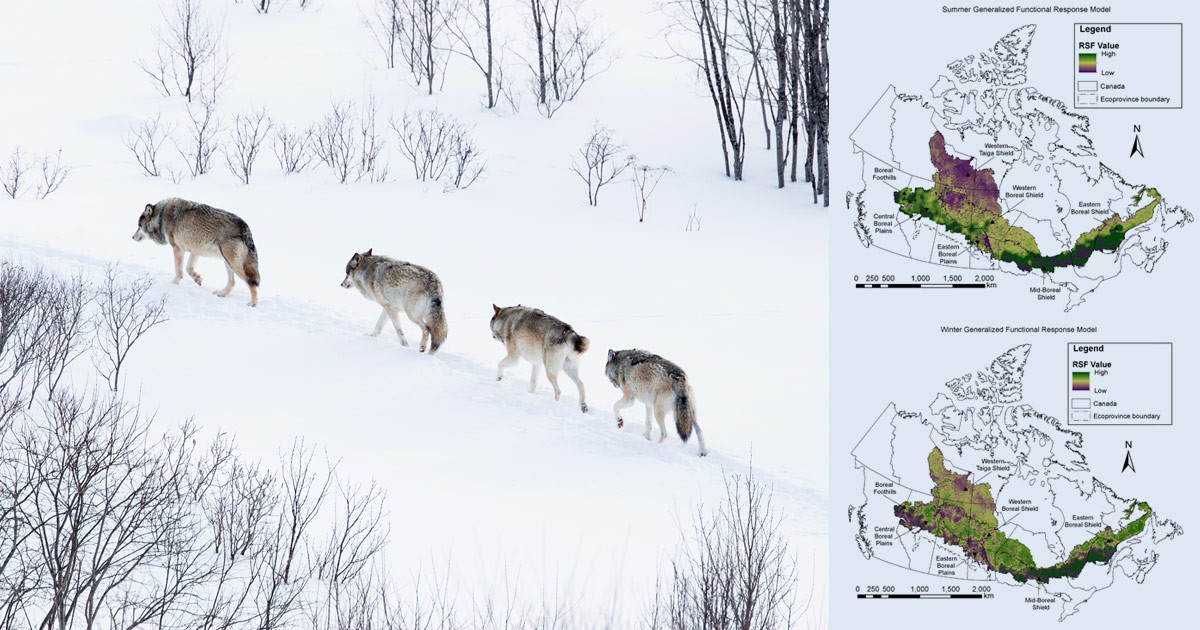
Ecology and Evolution: Functional response of wolves to human development across boreal North America
Previous research on how wolves are affected by human development have been limited in scope and location and the results were mixed. Wolves adapted in a range of ways depending on contextual factors like road or cutblock density. Research undertaken by a team of conservation scientists, including Paul Paquet of Raincoast Conservation Foundation, endeavoured to…
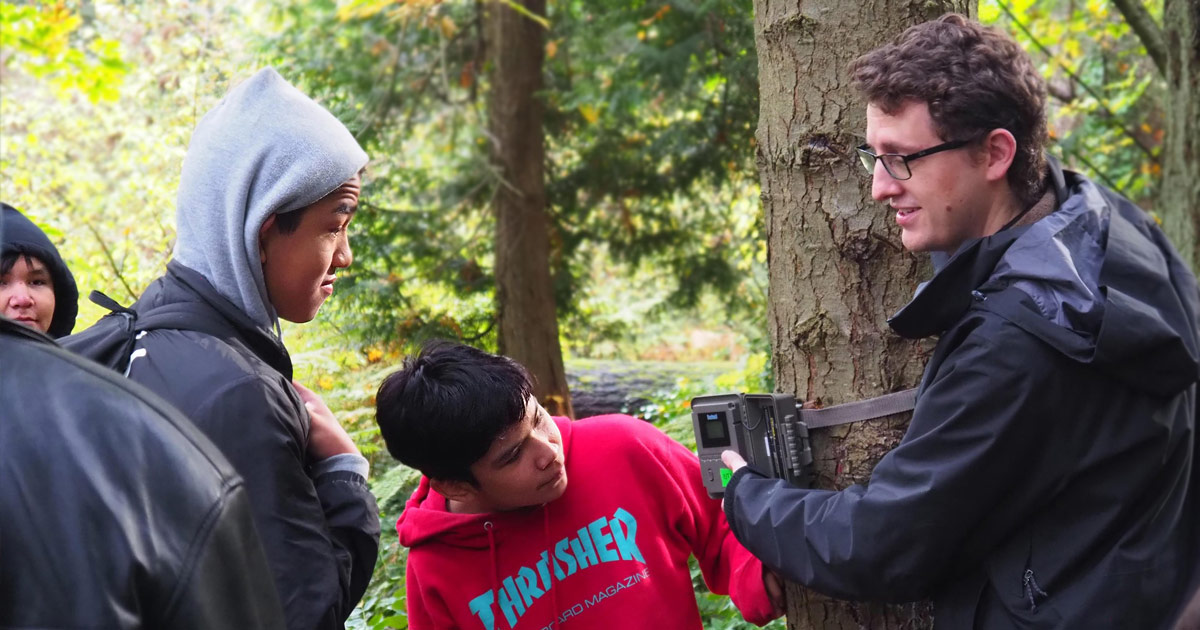
Collaborating with the next generation
As I walk onto campus at the University of Victoria, I am surrounded by the hustle and bustle of students scurrying off to their classes. For the students, their familiarity with the area makes their travel effortless as they weave and bob through the buildings and walkways. As a visitor, the school is a giant…
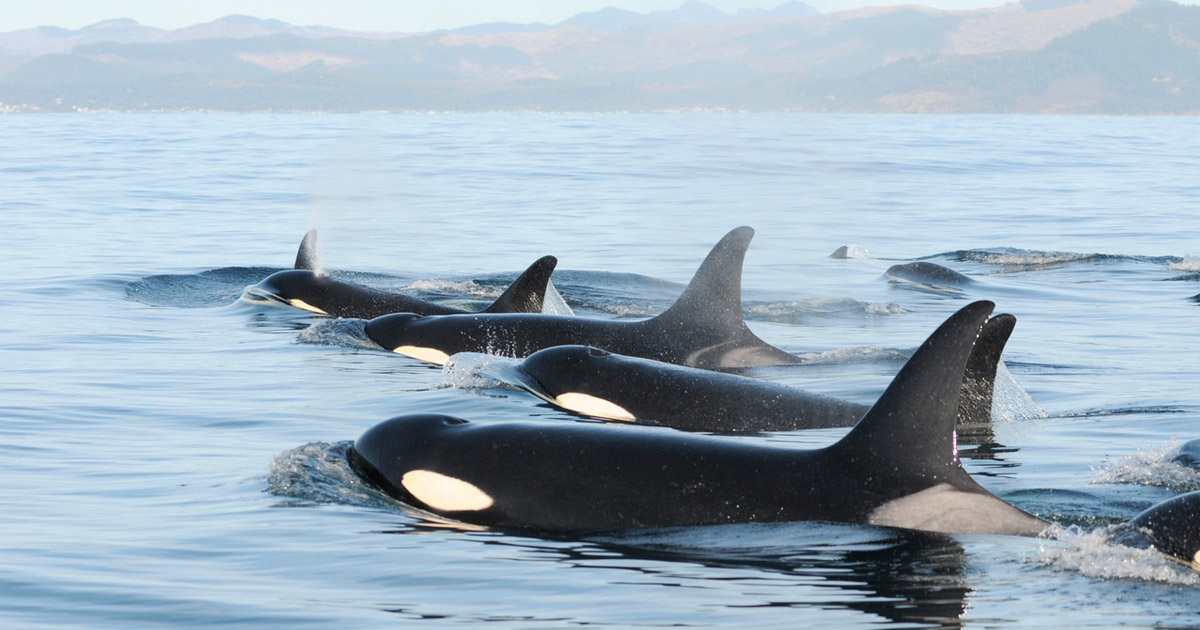
We are headed to the Supreme Court for Southern Resident killer whales
Today, Raincoast takes our work to protect Southern Resident killer whales from the Trans Mountain pipeline expansion all the way to the Supreme Court of Canada. Working with Living Oceans Society and our legal team at Ecojustice, we have filed an application for leave to appeal to the Supreme Court. We are arguing that the…

Trans Mountain Expansion & Southern Resident killer whales: Project timeline
Raincoast Conservation Foundation represented by Ecojustice have worked through the courts to protect Southern Resident killer whales from the threats posed by the Trans Mountain Expansion project. Timeline 2013 – Raincoast and Living Oceans, legally represented by Ecojustice, file as formal intervenors in the National Energy Board’s review of Kinder Morgan’s Trans Mountain Expansion (TMX)….