

Shifting salmon policy
Photo by Alex Harris.
Ecosystems are complex. They are communities of living organisms connected through interacting processes and features on the land, in water, and between the two. Yet BC’s antiquated environmental policy doesn’t reflect this. Colonial society governs ecosystems by siloing them into distinct ministries and resources instead of reflecting the interconnected nature of habitats that make them function in the living world. This “siloed decision making”is the root cause of many of the ecological challenges we face today.
Our policy goals
1. Manage fisheries for ecosystems
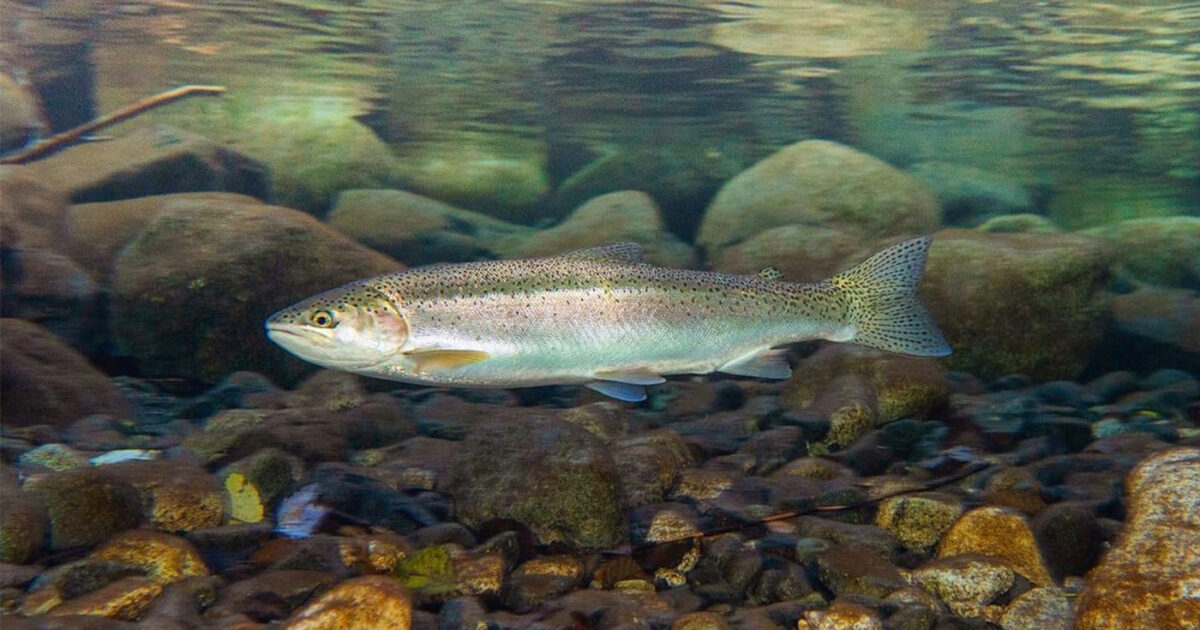
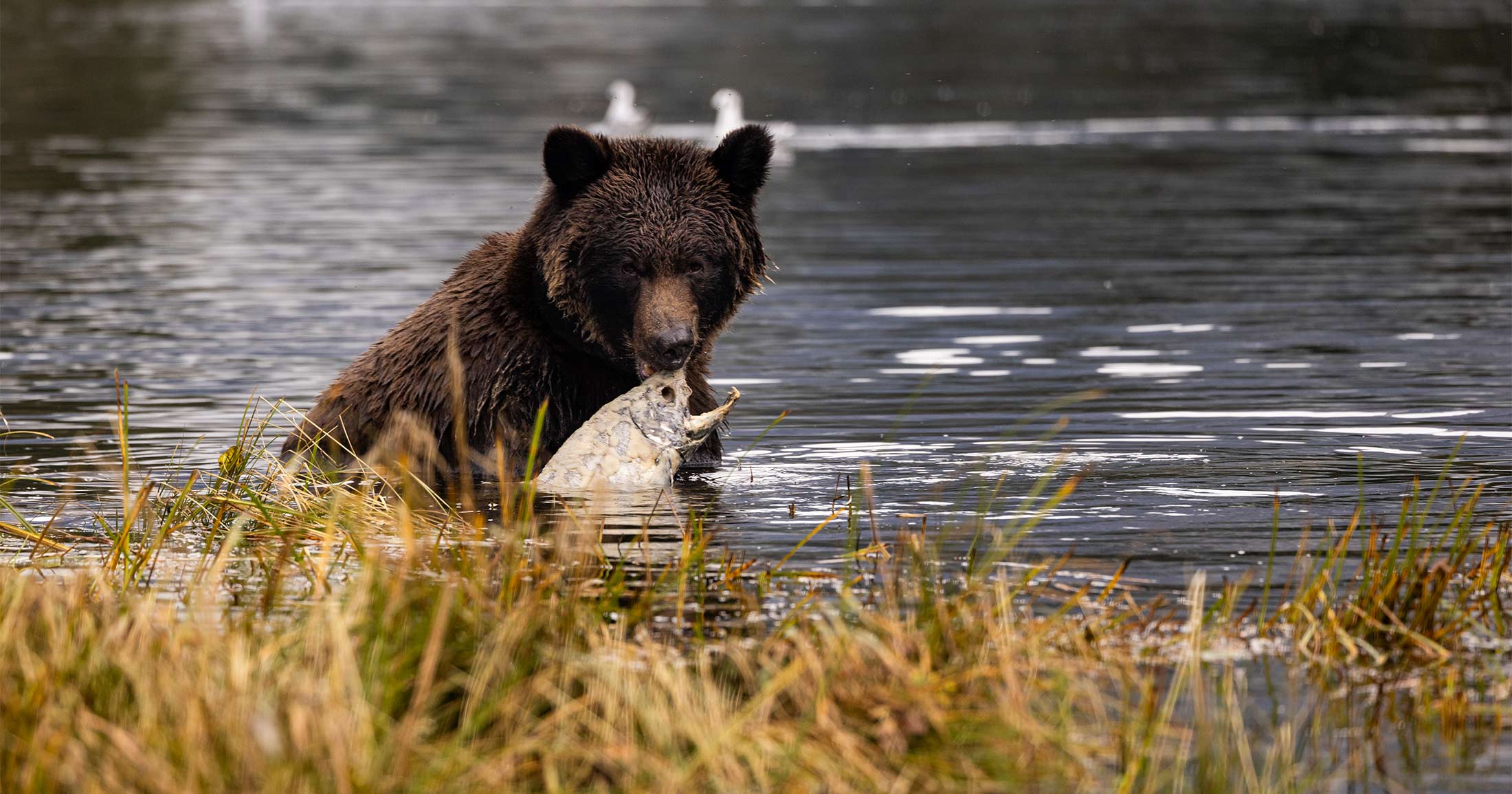
- Set salmon harvest at levels that optimize the benefits of spawning salmon to watersheds and wildlife.
- Shift away from historic management paradigms that minimize the number of spawning salmon reaching rivers and maximize harvest (called Maximum Sustainable Yield). Move towards fisheries management that meets salmon spawning targets that are ecologically based, not harvest-based.
- Shift harvest toward selective terminal fisheries (conducted in or near the rivers of origin) that respect the ‘place-based’ nature of salmon, and optimize the benefits to ecosystems, Indigenous cultures, and local communities.
2. Implement ecological-based governance
- Conservation planning and a commitment to sustainability that looks 7 generations ahead.
- A “whole-of-government” approach that implements shared solutions by Indigenous, federal, provincial, and municipal governments to achieve salmon recovery from inland watersheds and rivers, to the open ocean.
- Governance that honours Aboriginal rights and title, inherent Indigenous jurisdiction and law, and the United Nations Declaration on the Rights of Indigenous Peoples (UNDRIP) and the Declaration on the Rights of Indigenous Peoples Act (DRIPA).
- Sustainable funding strategies for watershed-scale restoration and planning.
3. Advance land-use policies that prioritize the health of wild salmon and biodiversity
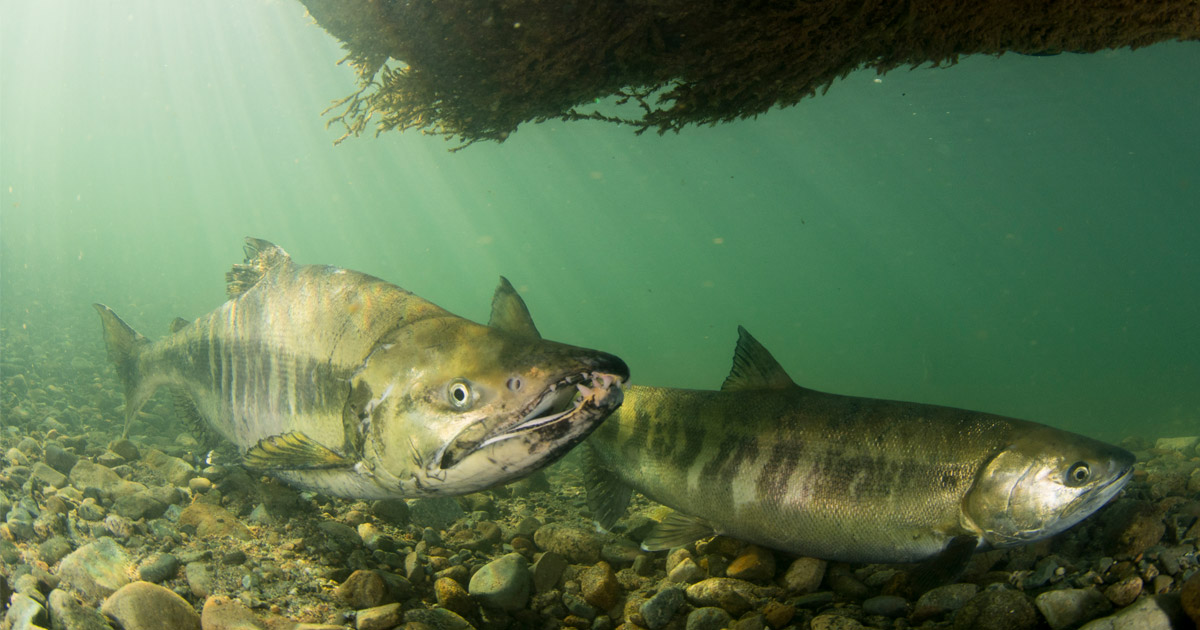
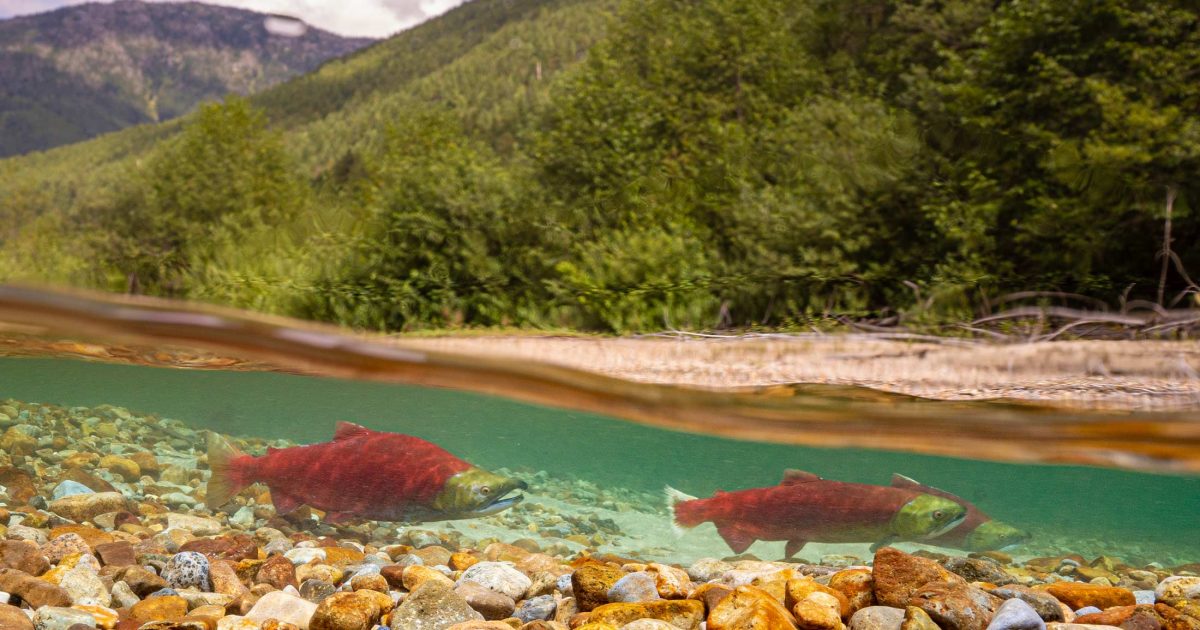
- Zoning that bolsters functioning watersheds and riparian habitat (i.e.protect natural features, limit impervious surfaces, reduce urban sprawl, adopt nature-based solutions).
- Forestry policy that prioritizes salmon health by restricting clear-cutting in salmon watersheds, and incentivizes a sustainable, second or third-growth forest economy.
- Climate adaptation policy that incentivizes nature-based solutions including natural shorelines, intact riparian areas, unrestricted floodplains, managed retreat, and use of rain-gardens in urban areas.
Our recent reports
Recent articles

Kitlope River estuary visit
This spot on a map of BC means little until you follow the 70-mile Gardner Canal that branches off Devastation Channel and winds its way deep into the coastal mountains of northern BC. While single-handing my old wooden sailboat, ERN, I was reminded of my first trip to the mountains and the thrill of seeing…

BC Bear Day photography exhibit
As part of BC Bear Day – this Sunday in North Vancouver – you can view a fantastic collection of wildlife photography that will, of course, include BC Bears. You can take a sneak peak below, and we hope you can view them in person. The event is hosted in the stunning heritage status Pipe-Shop,…
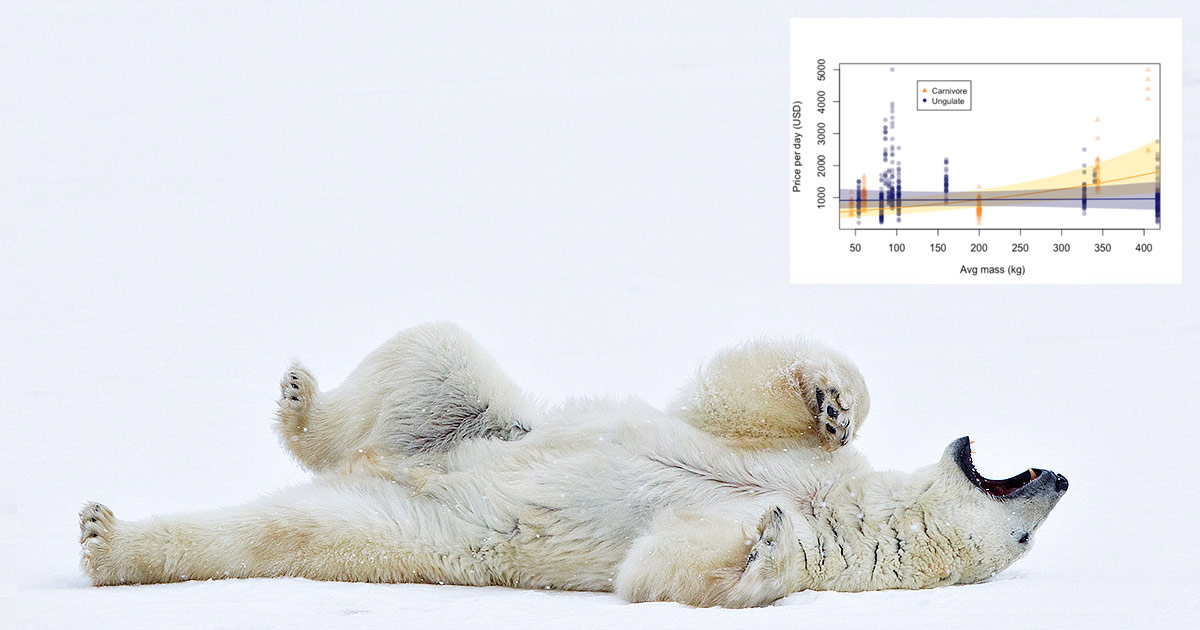
Research: Trophy hunters pay more to target larger-bodied carnivores
The behaviour of human hunters diverges from other animals. Other predators tend to target vulnerable individuals in prey populations. Humans, often males, tend to hunt large, reproductive-aged individuals. In the case of guided trophy hunting these species are likely perceived as costly, by increasing failure risk and risk of injury, and providing lower nutritional returns.

How new research on habitats within the Fraser River estuary implicates conservation strategy
Raincoast biologist Misty MacDuffee joined Mark Brennae on CFAX 1070 to talk about the Fraser River and the fish that rely on its distinct and interconnected habitat. The Fraser Estuary supports more than 100 species that are recognized as “at-risk” (threatened, endangered or of concern) either provincially or federally.1 Misty MacDuffee is part of a…

Buy a boat, help protect coastal carnivores
We have a fantastic opportunity for you to own a beautiful sailboat while supporting the conservation of wildlife at the same time. Tooth and Nail was donated to us by the family of the late Ronald Martin. Ronald and his family have been longtime supporters of Raincoast. Ron loved to sail Tooth and Nail as…
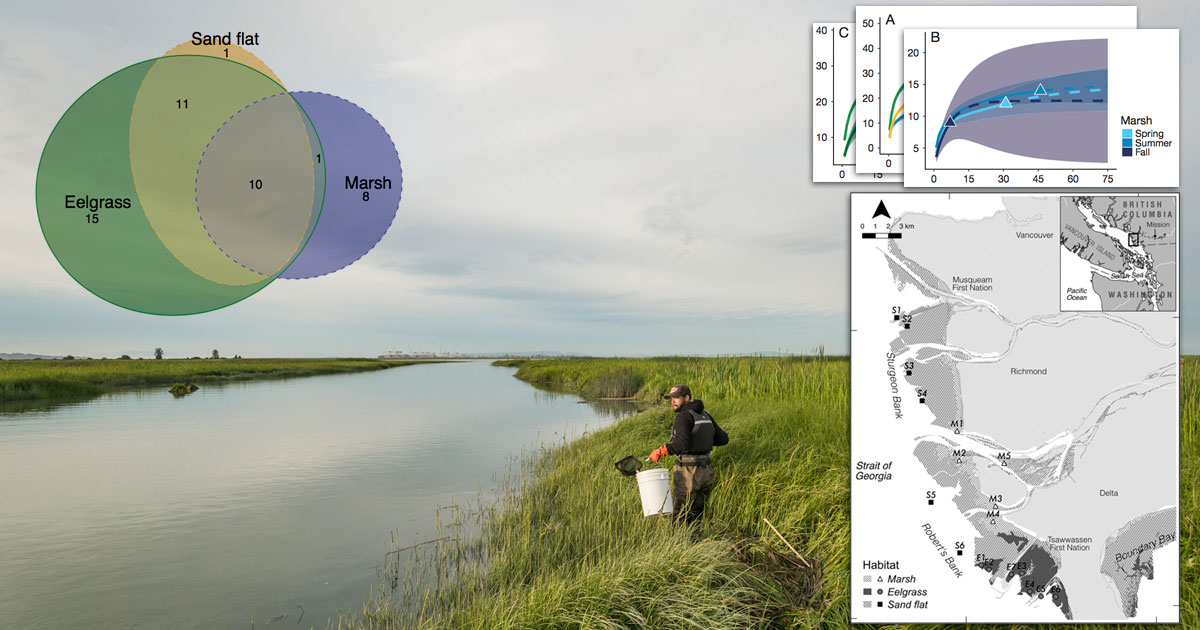
Habitat use by juvenile salmon, other migratory fish, and resident fish species underscores the importance of estuarine habitat mosaics
Pacific salmon, especially Chinook and Chum, reside and feed in estuaries during downstream migrations. But the extent to which they rely on estuaries, and which habitats within estuaries, is not well understood. We need to understand this complexity if we are going to enact effective conservation policies. This is especially important in urban systems where habitat loss is ongoing, and at different rates across the estuarine mosaic. The Fraser River estuary, for example, supports a multitude of fish species…