

Shifting salmon policy
Photo by Alex Harris.
Ecosystems are complex. They are communities of living organisms connected through interacting processes and features on the land, in water, and between the two. Yet BC’s antiquated environmental policy doesn’t reflect this. Colonial society governs ecosystems by siloing them into distinct ministries and resources instead of reflecting the interconnected nature of habitats that make them function in the living world. This “siloed decision making”is the root cause of many of the ecological challenges we face today.
Our policy goals
1. Manage fisheries for ecosystems
- Set salmon harvest at levels that optimize the benefits of spawning salmon to watersheds and wildlife.
- Shift away from historic management paradigms that minimize the number of spawning salmon reaching rivers and maximize harvest (called Maximum Sustainable Yield). Move towards fisheries management that meets salmon spawning targets that are ecologically based, not harvest-based.
- Shift harvest toward selective terminal fisheries (conducted in or near the rivers of origin) that respect the ‘place-based’ nature of salmon, and optimize the benefits to ecosystems, Indigenous cultures, and local communities.
2. Implement ecological-based governance
- Conservation planning and a commitment to sustainability that looks 7 generations ahead.
- A “whole-of-government” approach that implements shared solutions by Indigenous, federal, provincial, and municipal governments to achieve salmon recovery from inland watersheds and rivers, to the open ocean.
- Governance that honours Aboriginal rights and title, inherent Indigenous jurisdiction and law, and the United Nations Declaration on the Rights of Indigenous Peoples (UNDRIP) and the Declaration on the Rights of Indigenous Peoples Act (DRIPA).
- Sustainable funding strategies for watershed-scale restoration and planning.
3. Advance land-use policies that prioritize the health of wild salmon and biodiversity
- Zoning that bolsters functioning watersheds and riparian habitat (i.e.protect natural features, limit impervious surfaces, reduce urban sprawl, adopt nature-based solutions).
- Forestry policy that prioritizes salmon health by restricting clear-cutting in salmon watersheds, and incentivizes a sustainable, second or third-growth forest economy.
- Climate adaptation policy that incentivizes nature-based solutions including natural shorelines, intact riparian areas, unrestricted floodplains, managed retreat, and use of rain-gardens in urban areas.
Our recent reports
Recent articles

We are off to a great start to stopping commercial trophy hunting in the Southern Great Bear Rainforest Tenure
Last week we launched our campaign to stop commercial trophy hunting in the Southern Great Bear Rainforest Tenure and we were met with so much support that we’ve already raised $145,110 of our total goal of $1.92 million – that’s 7%!
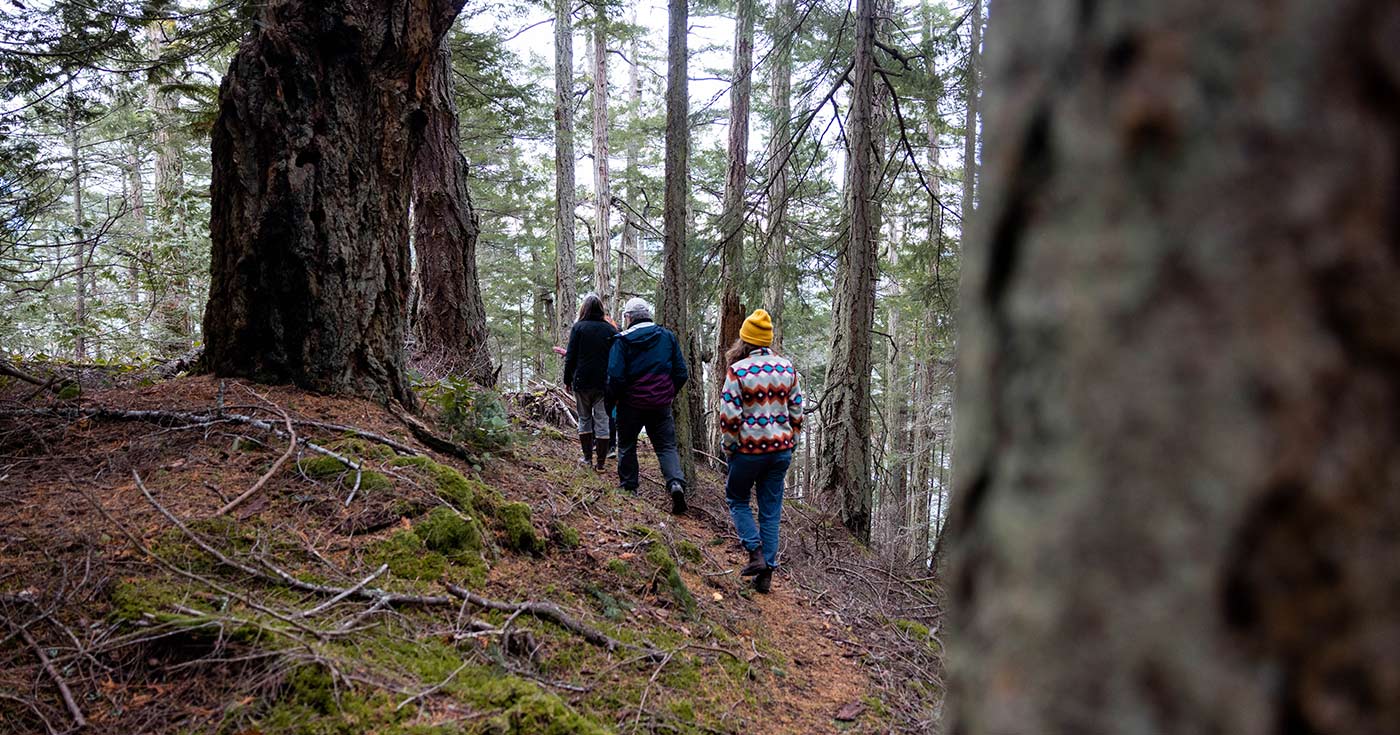
Coastal Douglas-fir Forests: Present, past, and future
It is well known among foresters and ecologists in British Columbia that the Coastal Douglas-fir (CDF) biogeoclimatic zone is among the most threatened assemblages of habitats in the province.

Launching our newest tenure acquisition
At 18,239 km2 it covers a quarter of the Great Bear Rainforest.

The MV ZIM Kingston incident brought near-disaster to killer whale critical habitat: more questions than answers
These are relevant questions to ask ourselves, the shipping sector, and government authorities alike.
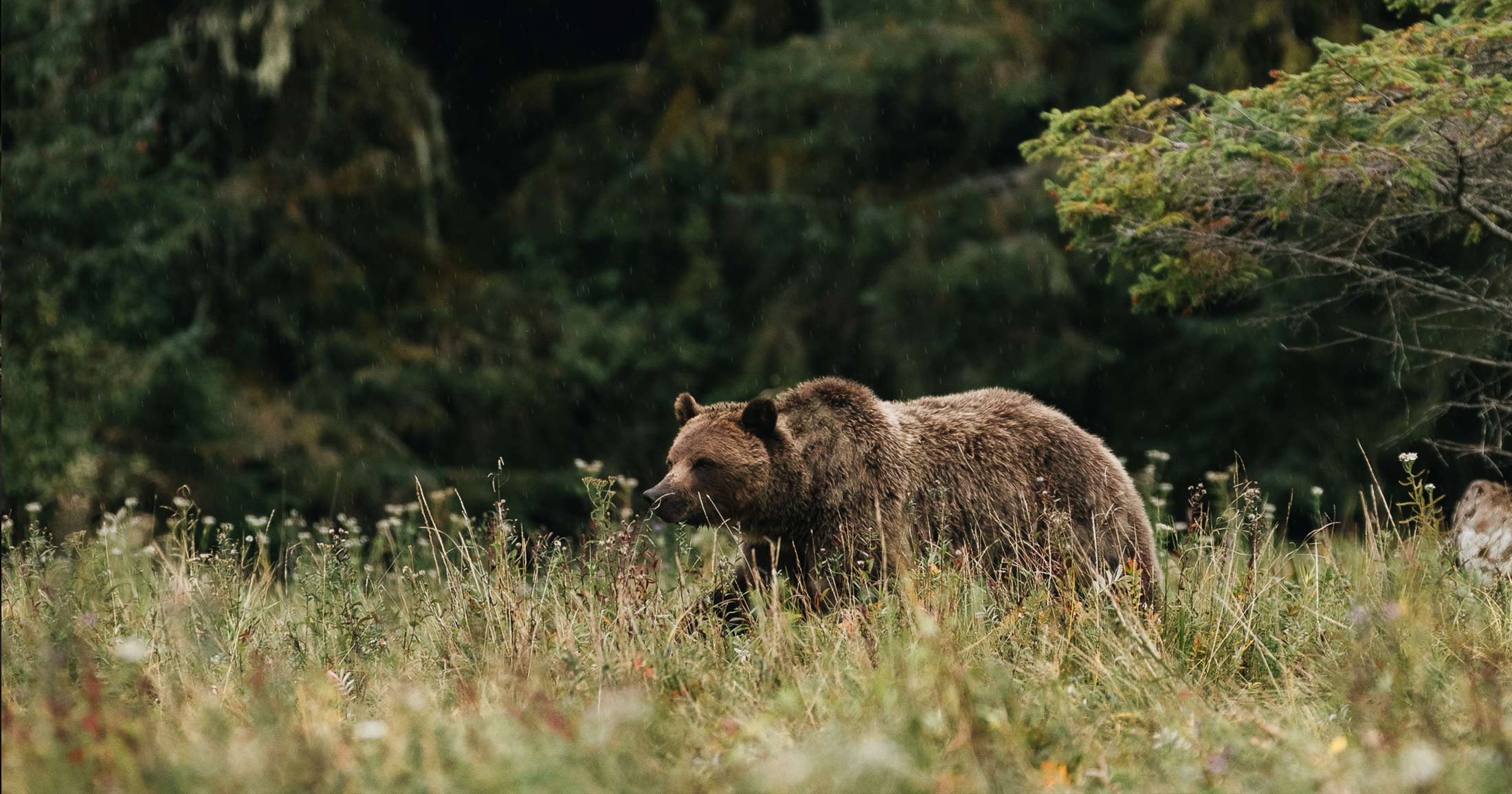
Why we purchase commercial trophy hunting tenures
Working with our Coastal First Nations partners, our goal is to permanently end commercial trophy hunting of all large carnivores in the Great Bear Rainforest.

Memories of sailing with the Salmon People
Raincoast recently began a partnership with Tsawwassen Nation to support Environmental Stewardship programming for youth. The program provided local youth with opportunities to learn about stewardship, environmental restoration and career development.