

Shifting salmon policy
Photo by Alex Harris.
Ecosystems are complex. They are communities of living organisms connected through interacting processes and features on the land, in water, and between the two. Yet BC’s antiquated environmental policy doesn’t reflect this. Colonial society governs ecosystems by siloing them into distinct ministries and resources instead of reflecting the interconnected nature of habitats that make them function in the living world. This “siloed decision making”is the root cause of many of the ecological challenges we face today.
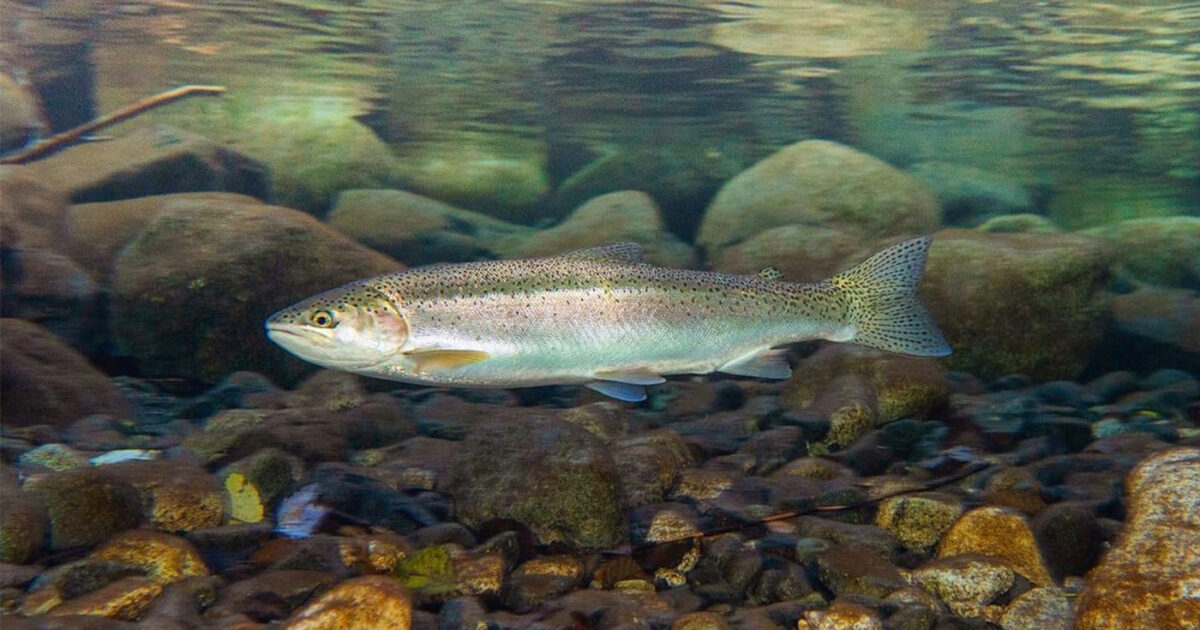
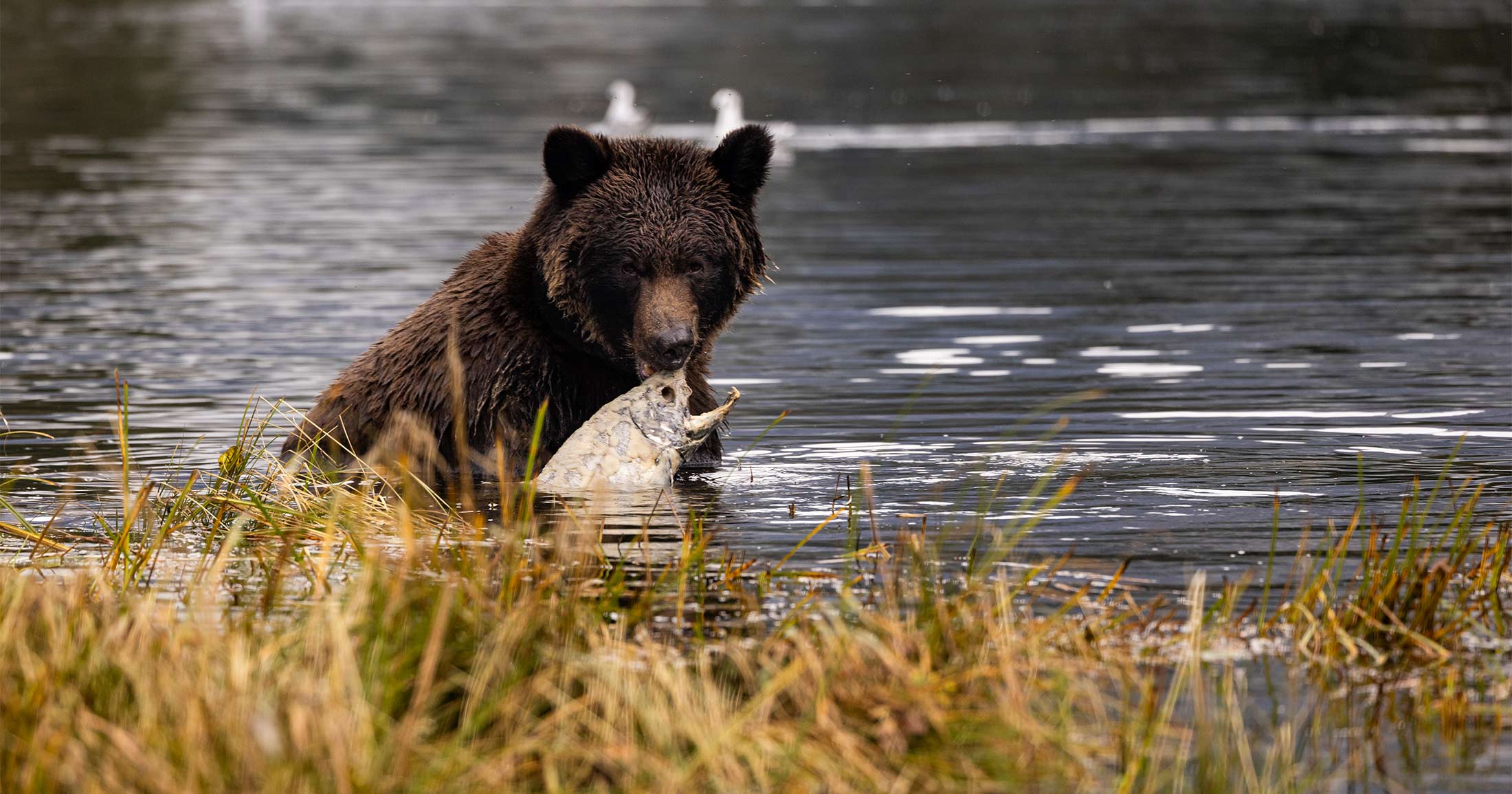
Our policy goals
1. Manage fisheries for ecosystems
- Set salmon harvest at levels that optimize the benefits of spawning salmon to watersheds and wildlife.
- Shift away from historic management paradigms that minimize the number of spawning salmon reaching rivers and maximize harvest (called Maximum Sustainable Yield). Move towards fisheries management that meets salmon spawning targets that are ecologically based, not harvest-based.
- Shift harvest toward selective terminal fisheries (conducted in or near the rivers of origin) that respect the ‘place-based’ nature of salmon, and optimize the benefits to ecosystems, Indigenous cultures, and local communities.
2. Implement ecological-based governance
- Conservation planning and a commitment to sustainability that looks 7 generations ahead.
- A “whole-of-government” approach that implements shared solutions by Indigenous, federal, provincial, and municipal governments to achieve salmon recovery from inland watersheds and rivers, to the open ocean.
- Governance that honours Aboriginal rights and title, inherent Indigenous jurisdiction and law, and the United Nations Declaration on the Rights of Indigenous Peoples (UNDRIP) and the Declaration on the Rights of Indigenous Peoples Act (DRIPA).
- Sustainable funding strategies for watershed-scale restoration and planning.
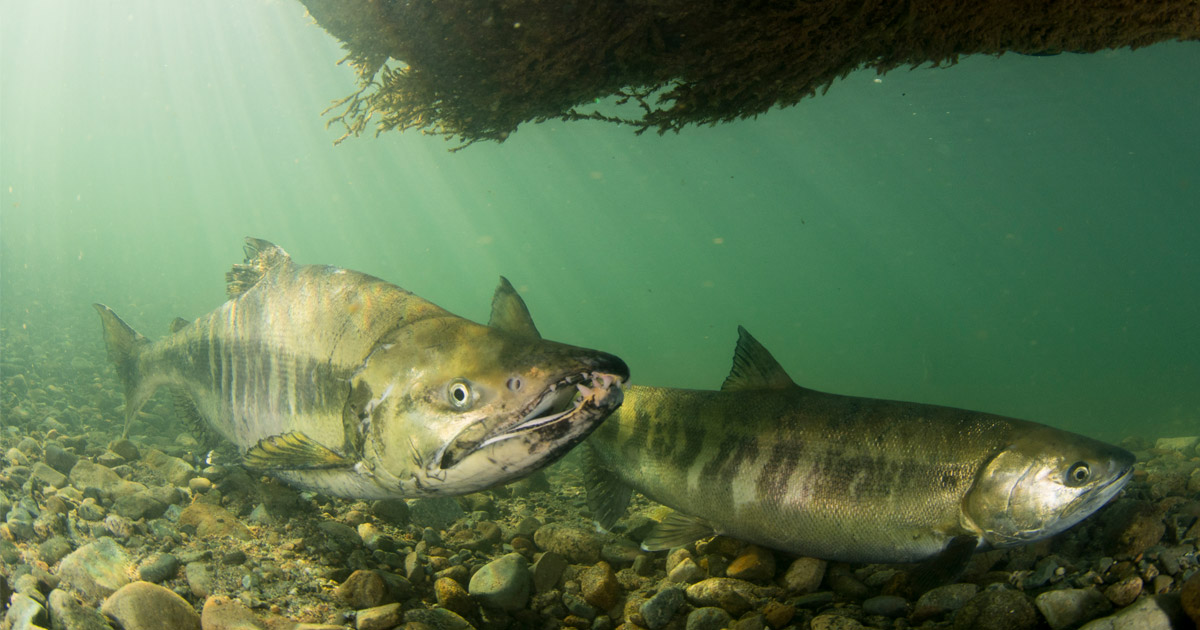
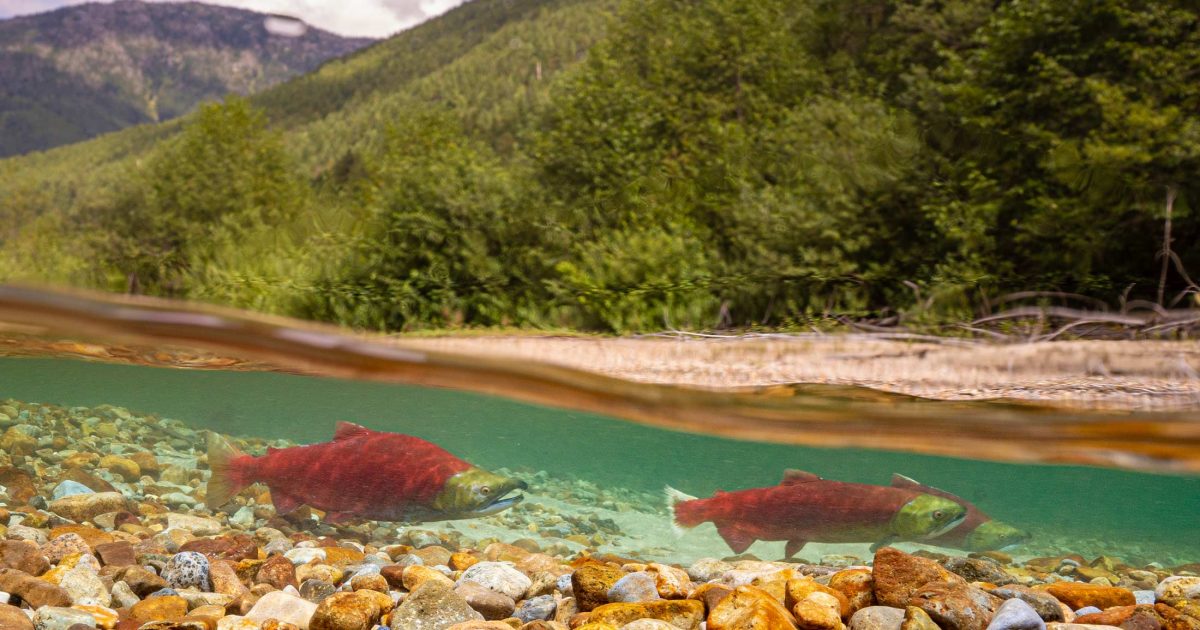
3. Advance land-use policies that prioritize the health of wild salmon and biodiversity
- Zoning that bolsters functioning watersheds and riparian habitat (i.e.protect natural features, limit impervious surfaces, reduce urban sprawl, adopt nature-based solutions).
- Forestry policy that prioritizes salmon health by restricting clear-cutting in salmon watersheds, and incentivizes a sustainable, second or third-growth forest economy.
- Climate adaptation policy that incentivizes nature-based solutions including natural shorelines, intact riparian areas, unrestricted floodplains, managed retreat, and use of rain-gardens in urban areas.
Our recent reports
Recent articles

100 years later: Reconnecting the Fraser River with its estuary
As we move into 2022, our Fraser River Estuary restoration efforts move towards the next target, the North Arm jetty. In late 2021, we finished our Coastal Restoration Fund project, a five year multi-million dollar initiative to restore connectivity between the main arm of the Fraser River and the marsh on Lulu Island’s Sturgeon Bank….

Recovery progress for endangered whales
2021 was the third year of collaborative efforts by the federal government, NGOs, and stakeholders to implement threat reduction measures.

A chance to make your support for the protection of KELÁ_EKE Kingfisher Forest go further
Mere days into our 18-month fundraising campaign, a $75,000 matching gift has been pledged.
Measurable results
As someone who has pursued a life-long journey as an environmental scientist, I find myself wondering whether today’s ‘science to policy’ paradigm is sufficient to safeguard British Columbia from the ravages of climate change and the loss of biodiversity.
Shooting wildlife with cameras, not guns: the new conservation economy
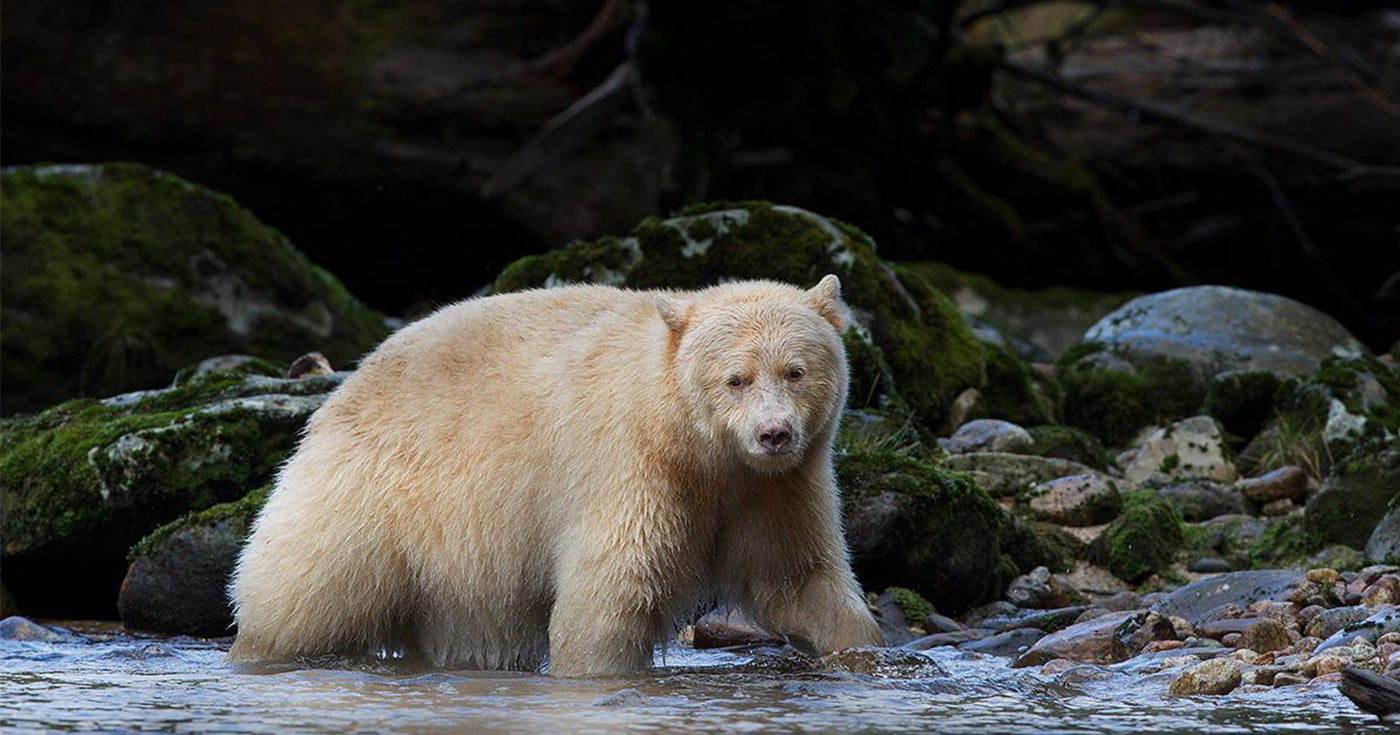
Eliminating commercial trophy hunting in the Great Bear Rainforest will give us and our guests on the Afterglow I the chance to enjoy thriving, healthy ecosystems and we are proud of the small role we played in making this happen.

Notes from the Field: My first experiences with Raincoast
Working on Achiever gave the Reef Net crew the chance to learn about land restoration, and provided us with get hands-on experience removing invasive plants from QENENIW̱