What our estuary salmon fieldwork crews are up to
Reflections from seven (going on eight) years of fieldwork in the Fraser River Estuary.
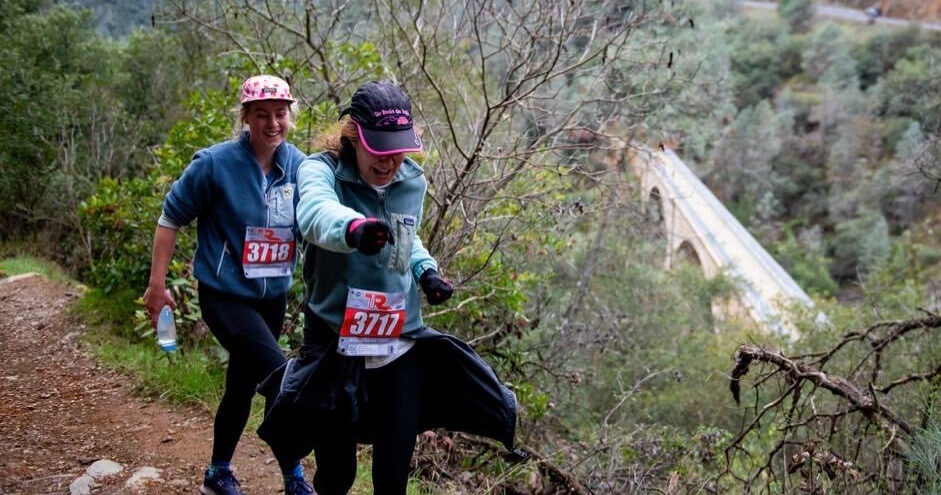
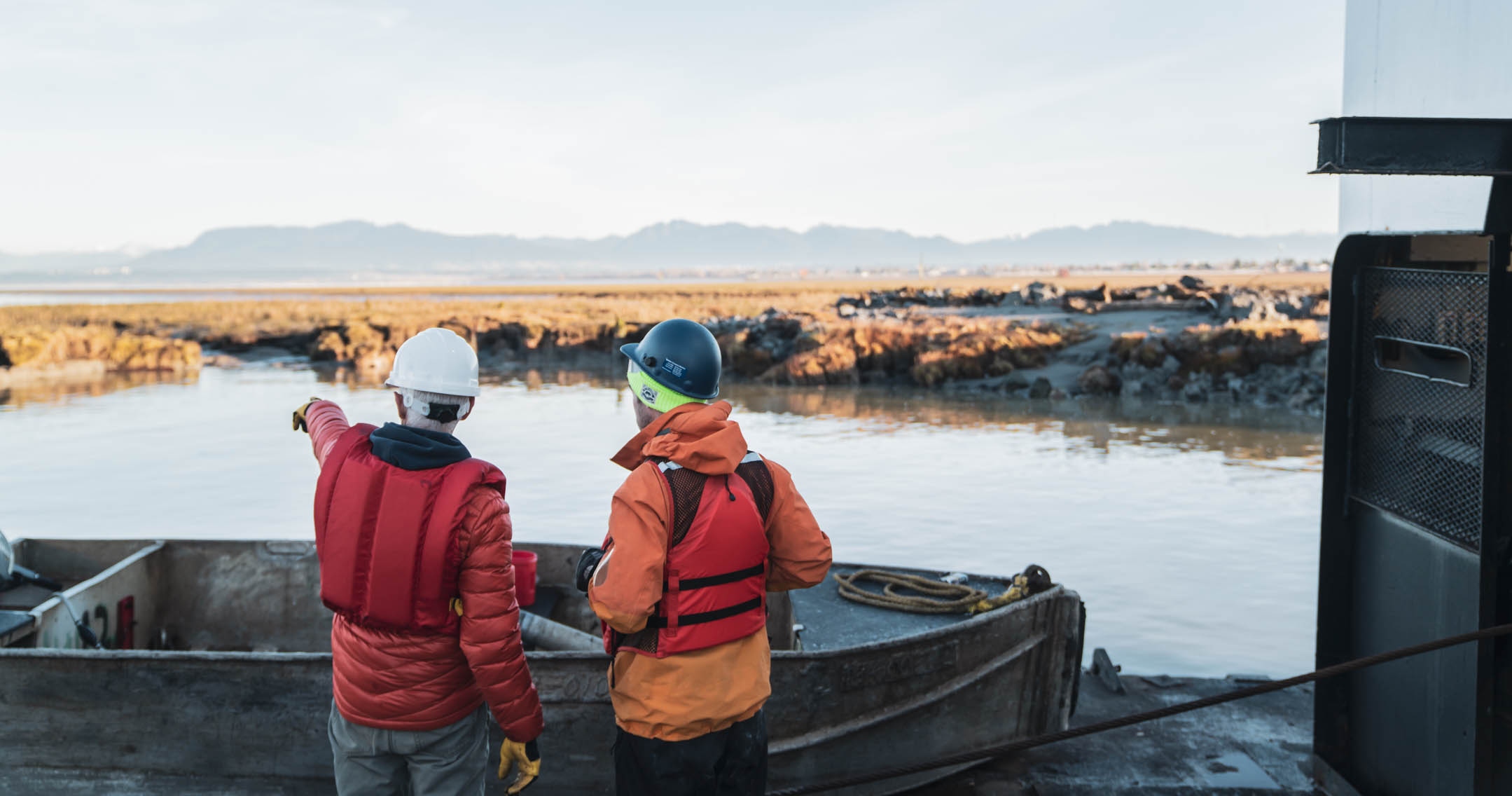
Despite the familiarity with the start of the field season, there is always a sense of excitement and anticipation in the weeks leading up to the first day. There are practical tasks to take care of, like securing permits, gathering supplies, and servicing our boats, along with the mental preparation of stepping into 5 degree water in March, a month that always feels rainier than I remember. Sometimes we are working with a new crew, but often it is a returning cast of technicians and graduate students.

Our net is usually a little musty after sitting in storage since the previous August, but once we start our first beach seine set, that dark, damp association with a Vancouver winter quickly fades. The net comes up with juvenile salmon, along with other common estuary residents such as three-spined stickleback, starry flounder, and staghorn sculpin.

March is a bit early for salmon in the estuary, but some tiny fry, not yet “buttoned up” (a term referring to when young fish absorb their yolk sac), have already begun their outmigration and find their way into the Fraser River Estuary. By April and May, we begin to see a much higher influx of Chinook, chum, and pink, as well as sockeye and even some coho salmon.
I began doing fieldwork in the Fraser River Estuary as an undergraduate in 2019 assisting a PhD student studying plant communities in the South Arm marshes of Ladner. Before that, I had never spent time in marshes and did not fully understand the complexity, biodiversity, and beauty of an estuary. Having grown up in inland California, I especially appreciated the long, sunny days and warmth that came with summer fieldwork.


I became transfixed by the stunning Henderson’s checkermallow (Sidalcea hendersonii), a Blue Listed flower with vibrant pink petals, and even more so by a field crew of salmon ecologists working nearby. I enjoyed working on marsh plant research, but I was drawn to salmon conservation and the prospect of working on the water.
The following year, I enthusiastically applied to Raincoast’s Lower Fraser Research and Restoration team as a technician. On my first day, I knew this was the kind of work I wanted to keep doing, and I haven’t stopped since.
I went on to work with Raincoast’s Wild Salmon team and later attended graduate school at UBC’s Salmon Ecology and Conservation Lab, where I conducted my fieldwork as part of the Lower Fraser Research and Restoration team. Now, having graduated, I am grateful to continue working in the Fraser River Estuary as Raincoast’s Lower Fraser Research and Restoration Coordinator.


It has been a pleasure helping coordinate fieldwork, support new graduate research, and contribute to the ongoing restoration of the Fraser River Estuary. With another season beginning, I’m excited to see what this year will bring.