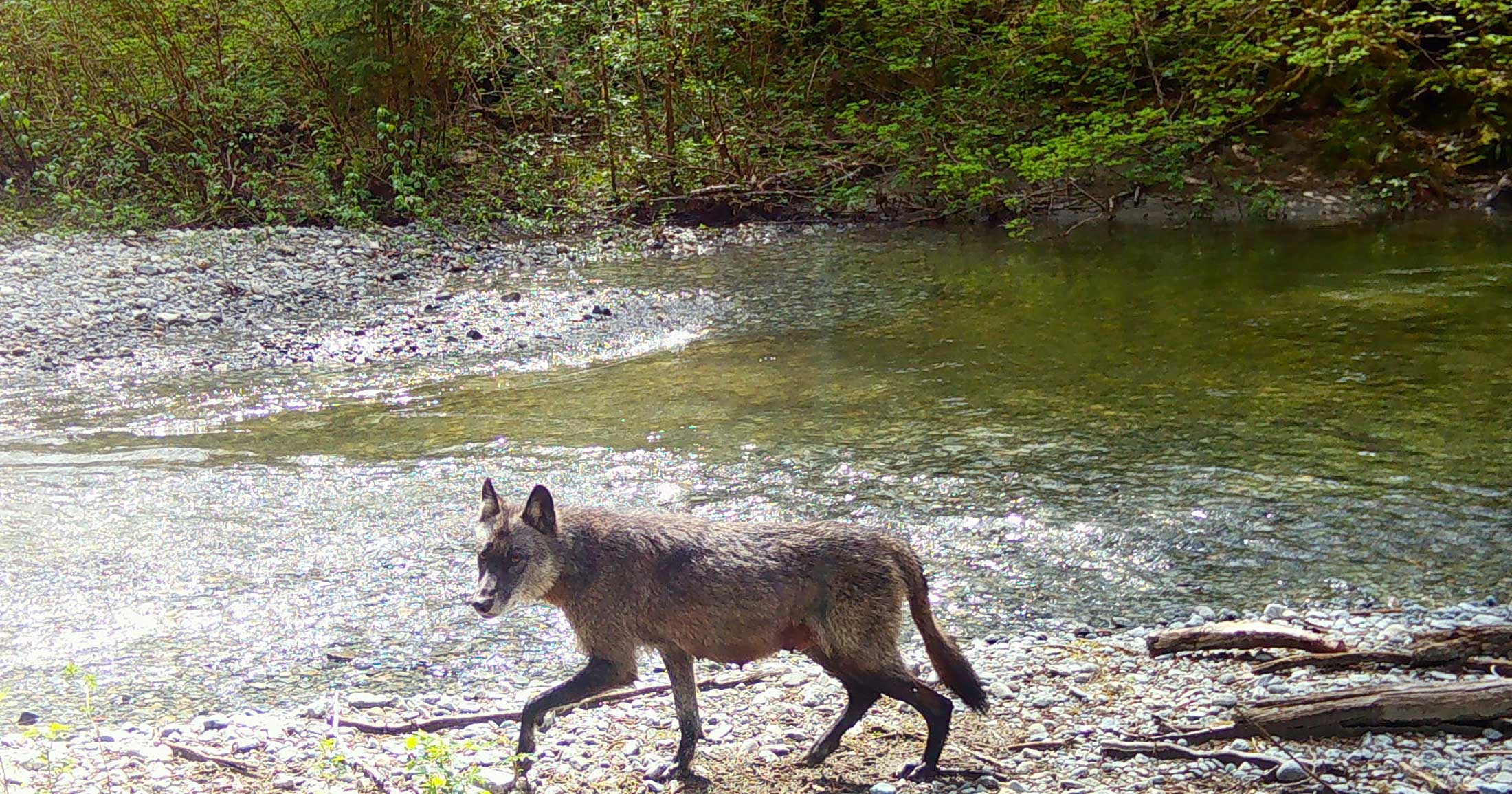
A mother’s reflection, it takes a pack
Whether in a village or a wolf pack, caring for the next generation is a shared responsibility.
It is often said that it takes a village to raise a child, but you don’t fully understand what that means until you find yourself in need of that village.
Recently, my family has been on the receiving end of an incredible outpouring of care and support as we navigate the joys and challenges of this new chapter as parents. And it made me reflect on how deeply this idea of shared caregiving runs, not just in human communities, but in the natural world as well.
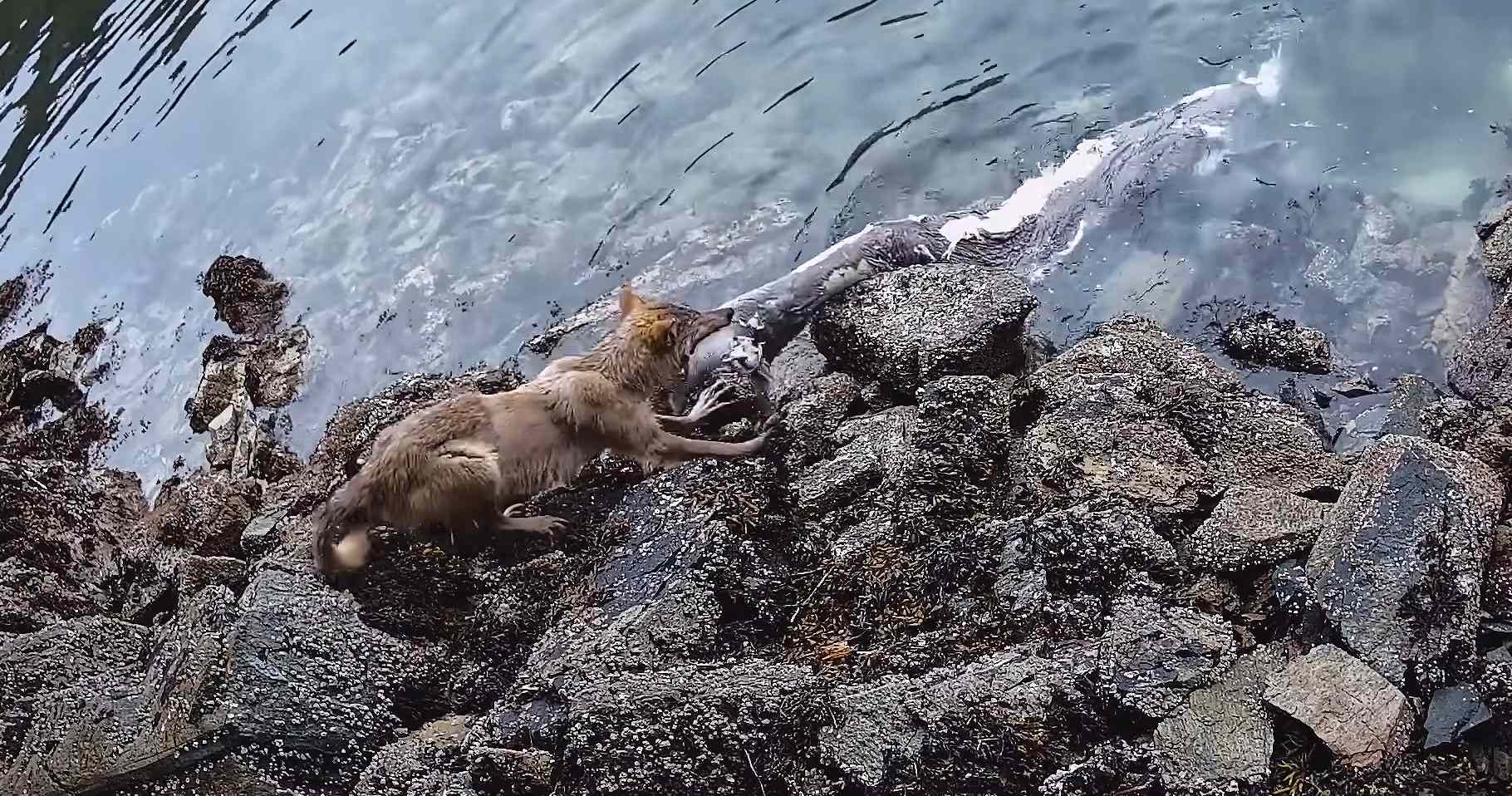
Wolves are an excellent example of this. In wolf family units, also known as packs, care for the young doesn’t fall to just one or two individuals. Through a behaviour known as allonursing, other female members of the pack, often close relatives, may begin lactating to help nurse and raise pups, while not necessarily being mothers themselves.
This spontaneous lactation is thought to be triggered by hormonal changes, such as elevated prolactin levels, that can occur in non-breeding females during the breeding season, a phenomenon well documented across canid species.12 This kind of cooperative care not only increases the chances that pups survive and thrive, but also reinforces strong social bonds that underpin the stability of the family unit.3
Sharing in this effort and responsibility, wolves will go to great lengths to support the next generation. This is perhaps best illustrated by a story shared in a Raincoast Radio: Of Wolves and Women episode with Dr. Shelley Alexander (around 49:50). After being pushed out of her pack, a wolf known as Dianne travelled hundreds of kilometres back to her family. There, she is thought to have spontaneously lactated to nurse the pups of her daughter, who had been killed on the highway shortly after giving birth.
This collective care extends well beyond nursing. Pack members will travel great distances to hunt, consuming and carrying up to 10 kg of meat in their bellies before returning to the den to feed a nursing mother or, if the pups are old enough, regurgitate food directly to them.
And like many working mothers, wolf mothers are also providers. While they’re out finding food for their family, other pack members remain at the den or rendezvous site, stepping in as ”babysitters” and protectors for the young.
This Mother’s Day, I’ve come to appreciate that raising the next generation is rarely the work of one alone. In both wolves and people, it is shared among mothers, grandmothers, sisters, aunties, and the broader community that surrounds them.
It’s a quiet reminder that whether in a village or a pack, caring for the next generation is a shared responsibility.
Notes and references
- Macdonald DW, Campbell LAD, Kamler JF, Marino J, Werhahn G, Sillero-Zubiri C. 2019. Monogamy: Cause, Consequence, or Corollary of Success in Wild Canids? Frontiers in Ecology and Evolution. 7(341). doi:https://doi.org/10.3389/fevo.2019.00341.
- Montgomery TM, Pendleton EL, Smith JE. 2018. Physiological mechanisms mediating patterns of reproductive suppression and alloparental care in cooperatively breeding carnivores. Physiology & Behavior. 193(Part A):167–178. doi:https://doi.org/10.1016/j.physbeh.2017.11.006.
- van Kesteren F, Paris M, Macdonald DW, Millar R, Argaw K, Johnson PJ, Farstad W, Sillero-Zubiri C. 2013. The physiology of cooperative breeding in a rare social canid; sex, suppression and pseudopregnancy in female Ethiopian wolves. Physiology & Behavior. 122:39–45. doi:https://doi.org/10.1016/j.physbeh.2013.08.016.