

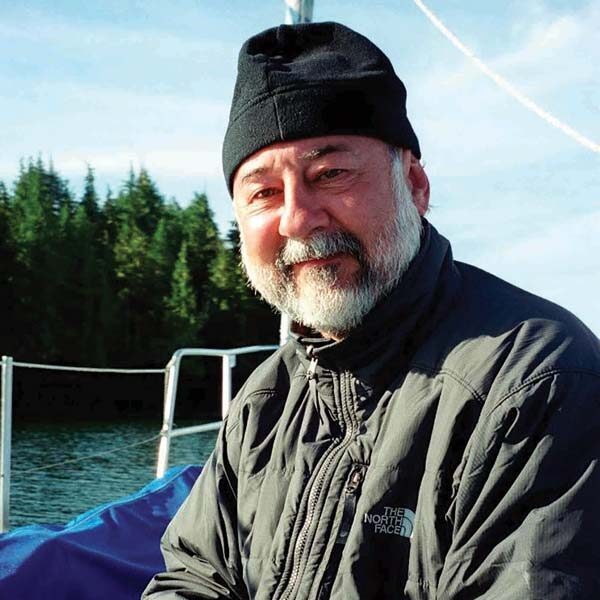
Paul Paquet, PhD
Senior Scientist
Dr. Paul Paquet is a Senior Scientist at Raincoast and the Wolf Program’s head research advisor. He holds graduate degrees in philosophy, biology, wildlife behaviour and conservation, and a PhD in zoology from the University of Alberta. With over four decades of scholarly and applied research experience worldwide, Dr. Paquet is recognized internationally as an authority on mammalian carnivores, especially wolves and other wild canids. He has written more than 200 scientific articles and reports and published several books on the complexities of wolf management, including characterizing wolf (sub)species, their ecology, and behaviour.
Dr. Paquet serves on many international government, industry and NGO advisory committees, including the Environment Canada, US Fish & Wildlife Service, Caribou Scientific Advisory Committee for Saskatchewan, WWF International, the Large Carnivore Initiative for Europe, the European Union, Species Survival Commission (SSC) of IUCN-World Conservation Union, and International Union for Conservation of Nature (IUCN) Canid Specialist Group.In addition, Dr. Paquet is an Adjunct Professor of Geography at University of Victoria. Additional academic appointments include Adjunct Professor of Biology and Associate Professor of Environmental Design at the University of Calgary; Adjunct Professor at University of Saskatchewan College of Veterinary Medicine, Adjunct Professor of Biology at Brandon University, Adjunct Professor of Zoology at University of Manitoba; and Faculty Associate at Guelph University, and University of New Brunswick.
Recent articles
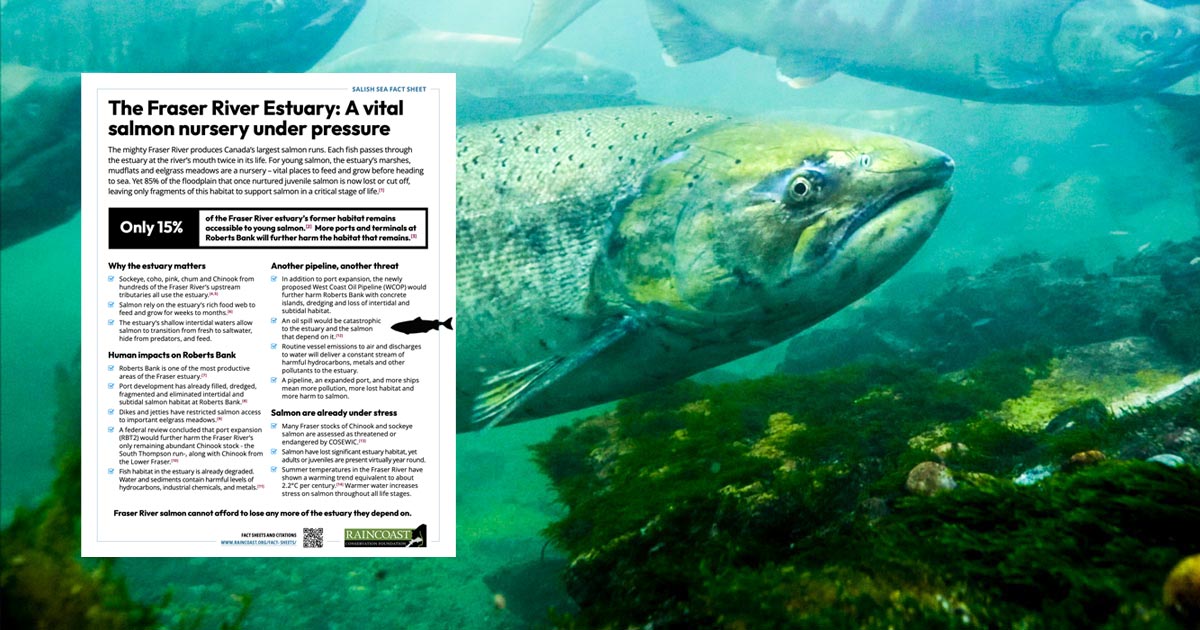
The Fraser River Estuary: A vital salmon nursery under pressure
Fraser River salmon cannot afford to lose any more of…
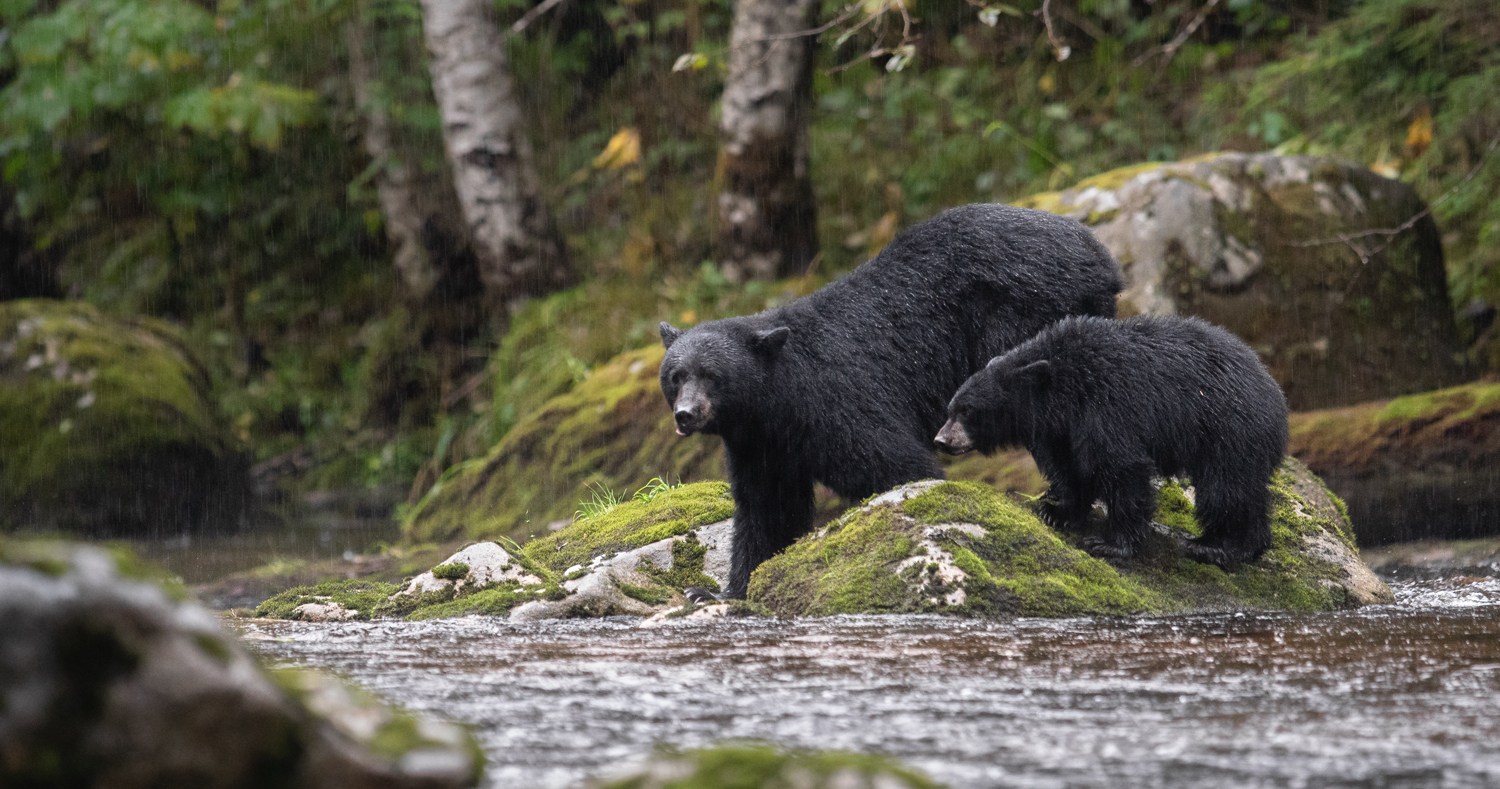
Letter in Science challenges Alberta’s ill-advised black bear hunting policy
Scientists question the evidence behind Alberta’s approach to “responsible wildlife…
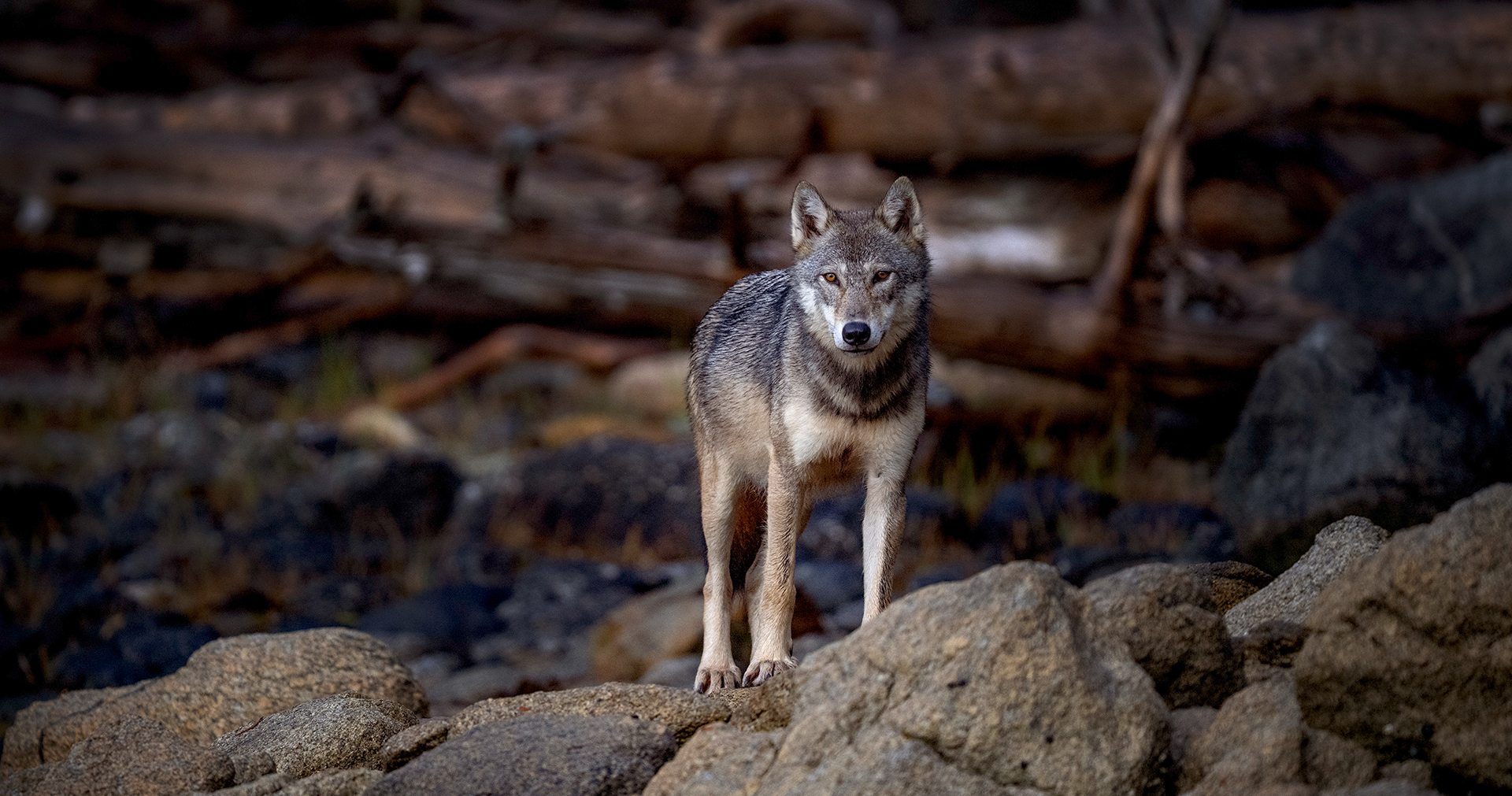
Through the lens: Celebrating the coastal grey wolf and Canada Post’s wolf stamp
Photographer Michelle Valberg shares the story behind the image.
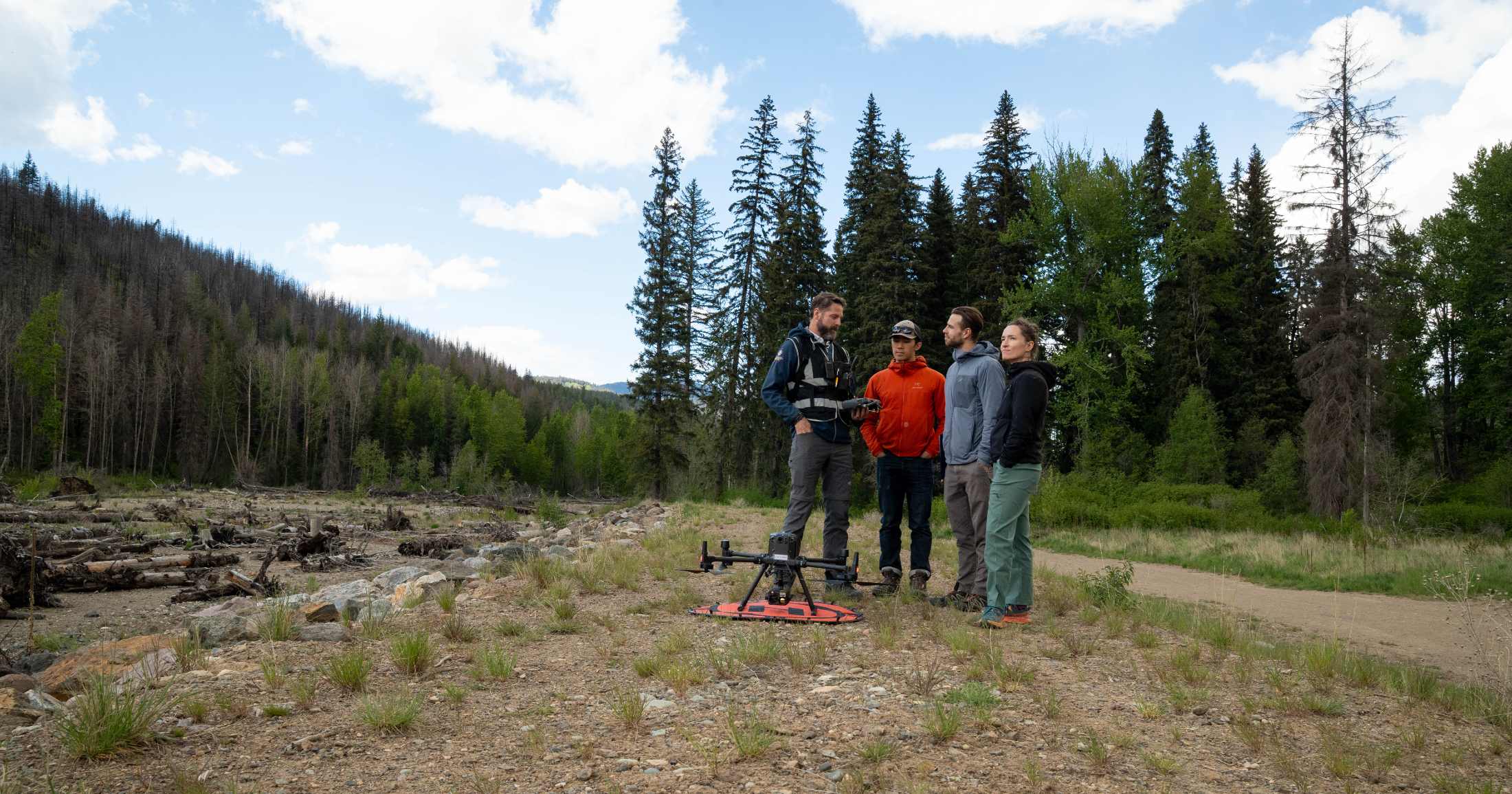
Equip the mission
Supporters who provide the tools our team needs to do…
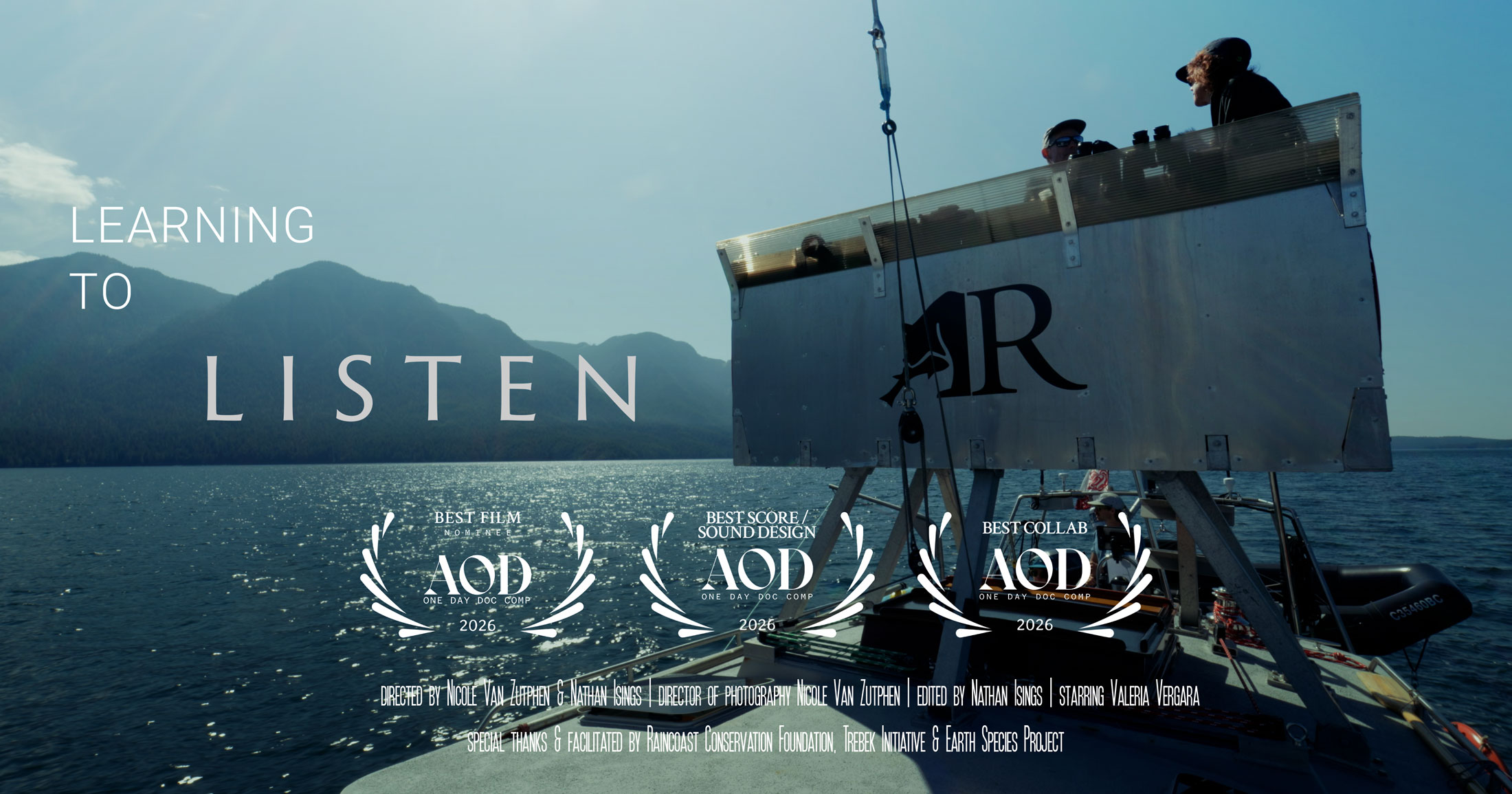
New short film showcases Raincoast scientists’ work investigating killer whale communication
Learning to Listen follows Dr. Valeria Vergara and team as…
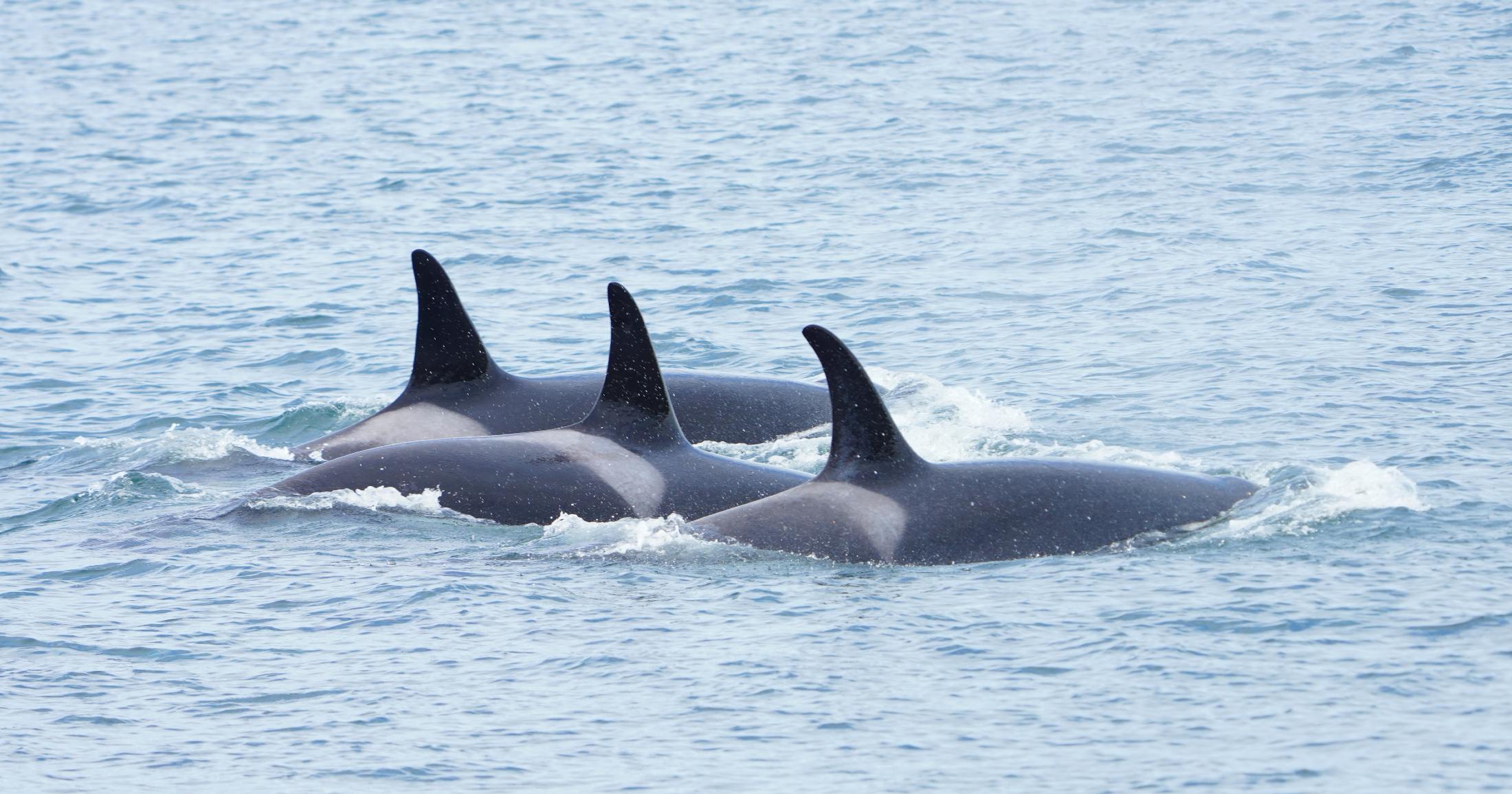
Why Canada must not fast-track an oil pipeline into the Fraser River Estuary
11 reasons why the West Coast Oil Pipeline should not…