

Paul Paquet, PhD
Senior Scientist
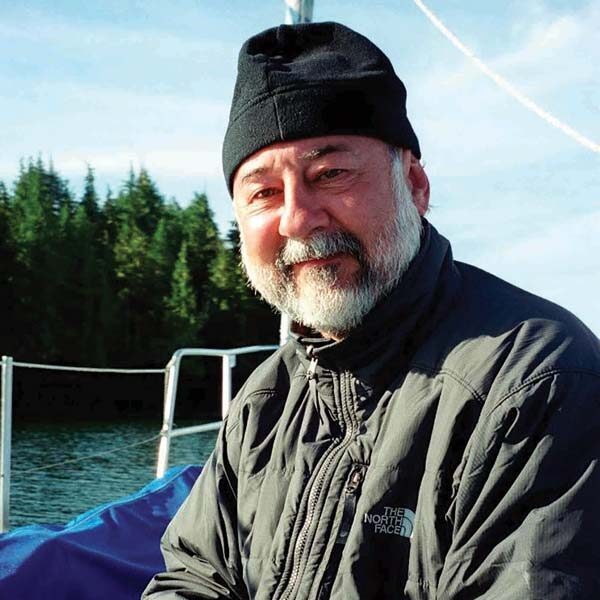
Dr. Paul Paquet is a Senior Scientist at Raincoast and the Wolf Program’s head research advisor. He holds graduate degrees in philosophy, biology, wildlife behaviour and conservation, and a PhD in zoology from the University of Alberta. With over four decades of scholarly and applied research experience worldwide, Dr. Paquet is recognized internationally as an authority on mammalian carnivores, especially wolves and other wild canids. He has written more than 200 scientific articles and reports and published several books on the complexities of wolf management, including characterizing wolf (sub)species, their ecology, and behaviour.
Dr. Paquet serves on many international government, industry and NGO advisory committees, including the Environment Canada, US Fish & Wildlife Service, Caribou Scientific Advisory Committee for Saskatchewan, WWF International, the Large Carnivore Initiative for Europe, the European Union, Species Survival Commission (SSC) of IUCN-World Conservation Union, and International Union for Conservation of Nature (IUCN) Canid Specialist Group.In addition, Dr. Paquet is an Adjunct Professor of Geography at University of Victoria. Additional academic appointments include Adjunct Professor of Biology and Associate Professor of Environmental Design at the University of Calgary; Adjunct Professor at University of Saskatchewan College of Veterinary Medicine, Adjunct Professor of Biology at Brandon University, Adjunct Professor of Zoology at University of Manitoba; and Faculty Associate at Guelph University, and University of New Brunswick.
Recent articles
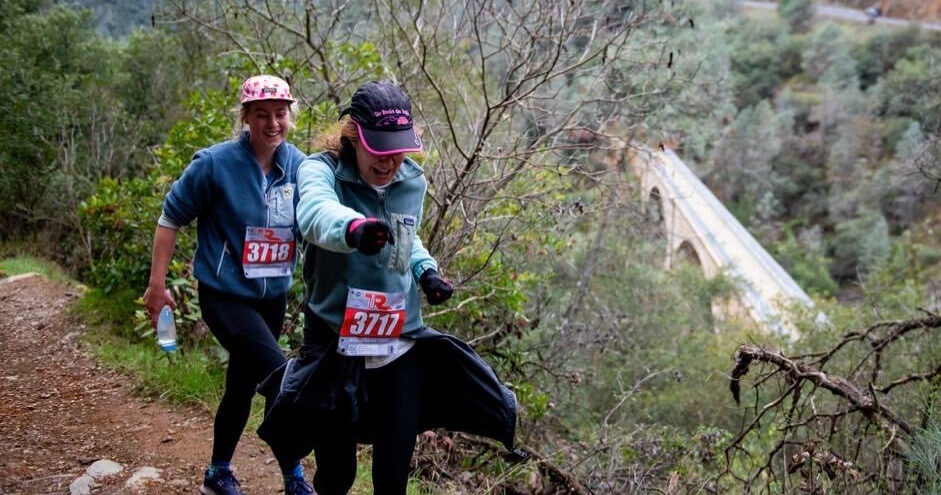
Race for Raincoast! Turning sweat into support
Turn your upcoming physical challenge into a fundraiser to support…
Charitable remainder trusts
Support Raincoast while continuing to receive income.
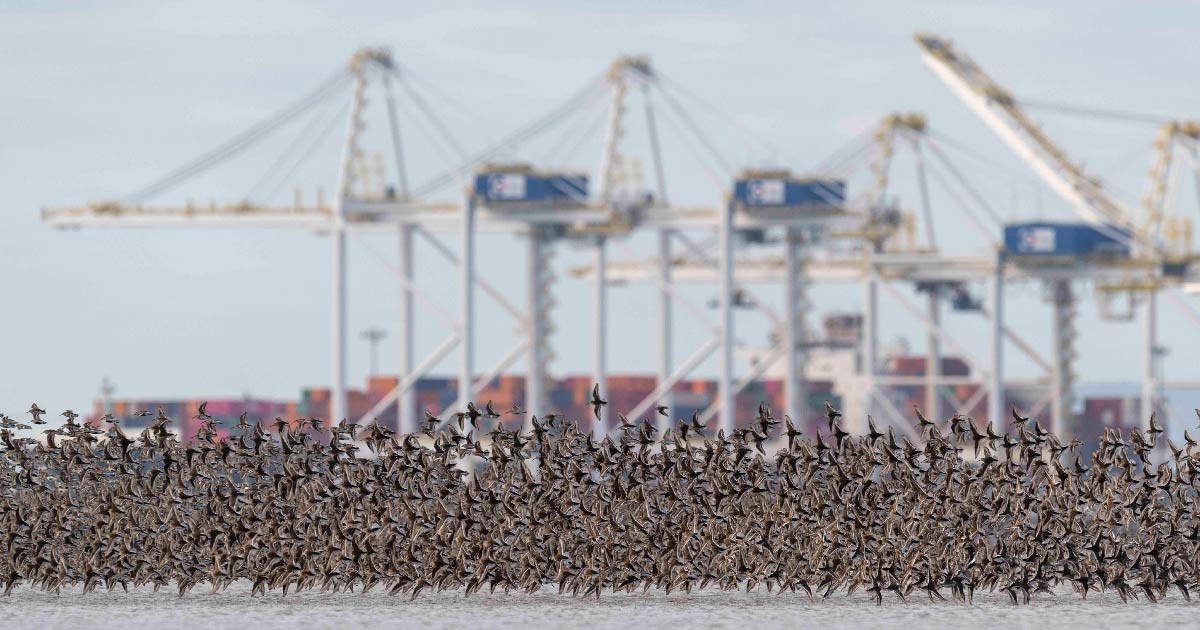
Listing Roberts Bank Terminal 2 as a Project of National Interest
The evidence does not support treating this project as being…
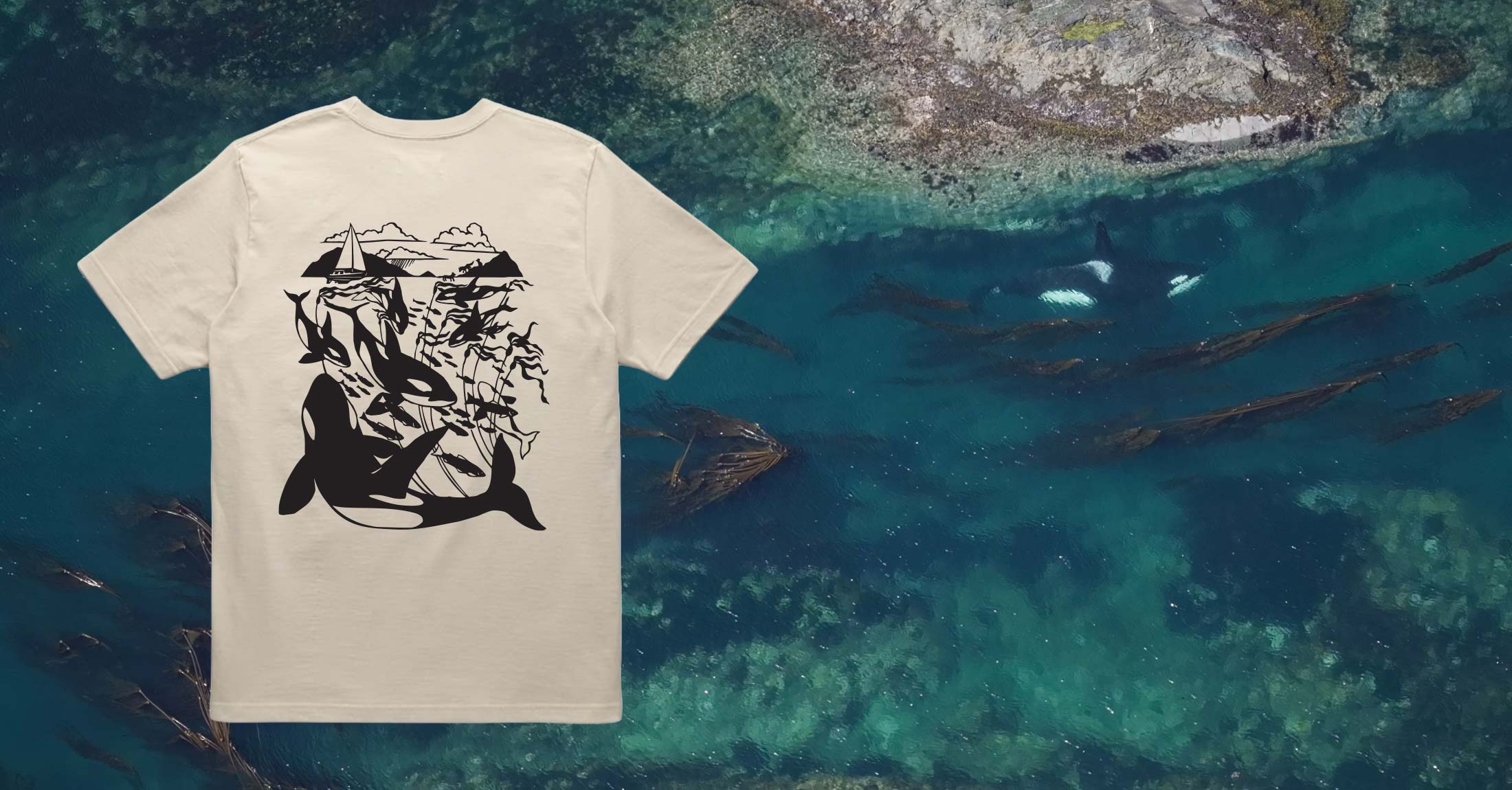
A new tee collaboration inspired by the wild coast: Nikki McClure x Raincoast x Anian
Wear what you stand for.
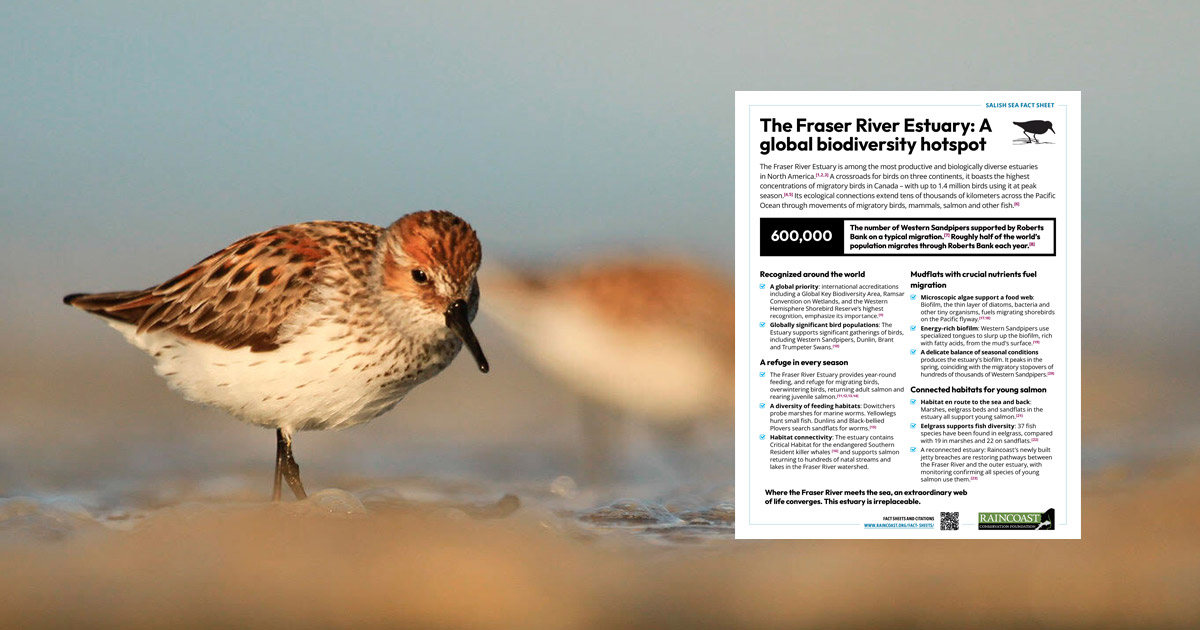
The Fraser River Estuary: A global biodiversity hotspot
Where the Fraser River meets the sea, an extraordinary web…
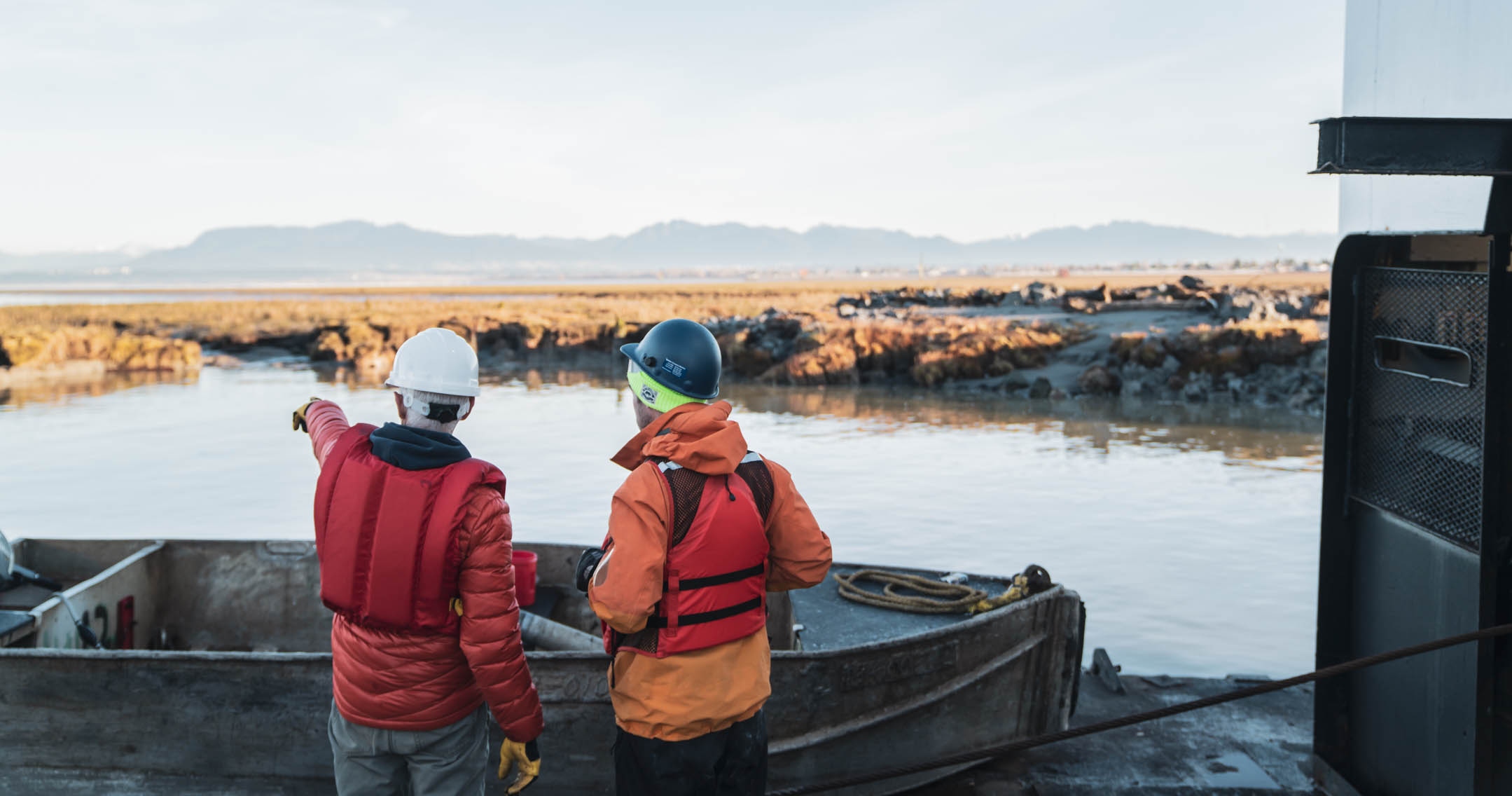
What is conservation finance?
A brief introduction to the field of conservation finance, and…